Healthy Diet Plan for PCOS: What Top Indian Nutritionists Recommend
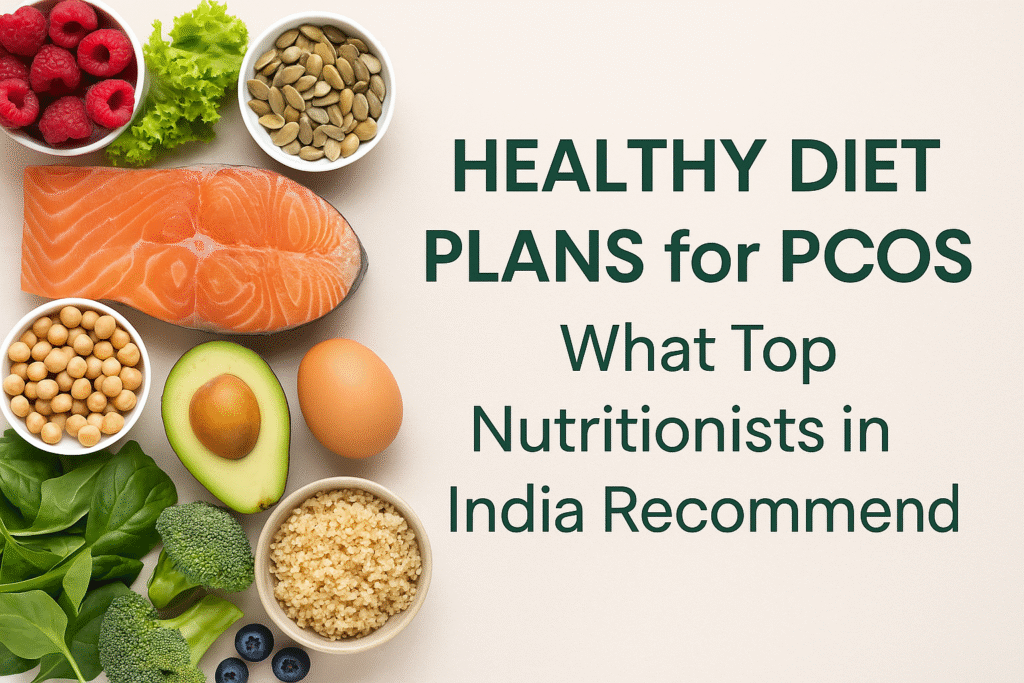
PCOS, or Polycystic Ovary Syndrome, affects one in every five women in India. Irregular cycles, hormonal acne, fatigue, and stubborn weight gain can feel impossible to manage. But leading Indian nutritionists agree that a healthy diet plan for PCOS can make a life-changing difference.
Balanced nutrition helps regulate insulin, support hormonal health, and improve overall well-being. This is not about cutting calories or following extreme diets. it’s about eating intelligently for hormonal balance using food that’s already part of the Indian kitchen.
Why Diet Is the Foundation of PCOS Management
The main cause behind PCOS is insulin resistance. When the body’s cells stop responding properly to insulin, it leads to elevated blood sugar, increased androgens, and disrupted ovulation.
A well-designed healthy diet plan for PCOS focuses on foods that keep blood sugar levels stable. This improves hormonal balance, supports metabolism, and reduces inflammation. The results? More energy, improved skin health, and often, the return of a regular menstrual cycle.
Building a Healthy Diet Plan for PCOS (Indian Style)
1. Choose Smart Carbohydrates
Not all carbs are the enemy. The right ones provide steady energy and essential nutrients.
Prefer:
- Brown or red rice, quinoa, millets (ragi, bajra, jowar)
- Whole-wheat rotis instead of refined flour
- Oats, poha, or upma with vegetables
Avoid sugary cereals, white rice, and packaged snacks that spike insulin.
Expert tip: Always combine carbohydrates with protein or fat. like dal with ghee or roti with paneer to slow sugar absorption.
2. Make Protein the Hero of Every Meal
Protein is essential for blood sugar stability, satiety, and hormone repair.
Include:
- Moong dal, rajma, chole, paneer, tofu
- Eggs, chicken, fish, or curd
- Mixed sprouts or dal chillas
A protein-rich breakfast like oats with milk or a paneer wrap keeps energy consistent and cravings under control.
3. Add Healthy Fats for Hormone Support
Healthy fats are vital for producing estrogen and progesterone naturally.
Use small amounts of:
- Cold-pressed olive, mustard, or sesame oil
- Flaxseeds, chia seeds, walnuts, almonds
- A teaspoon of ghee in your meals
Avoid trans fats found in fried food, margarine, and bakery items.
4. Boost Fiber Intake
Fiber helps flush out toxins and manage excess estrogen levels.
Fill half your plate with vegetables such as spinach, lauki, beans, methi, or broccoli.
Add fruits with peel like apple, pear, or guava.
Include salads, sprouts, or vegetable soups daily.
5. Stay Hydrated and Feed Your Gut
Gut health influences hormone health.
Drink at least 2.5 to 3 liters of water daily and include probiotic foods such as curd, chaas, or fermented idli/dosa batter.
These help build a healthy gut microbiome, improving digestion and reducing inflammation.
7-Day Sample Healthy Diet Plan for PCOS
| Day | Breakfast | Lunch | Snack | Dinner |
| Monday | Moong dal chilla + mint chutney | Brown rice + dal + sabzi | Coconut water + nuts | Grilled paneer + salad |
| Tuesday | Vegetable upma + curd | Bajra roti + lauki sabzi | Chaas + seeds | Moong khichdi + curd |
| Wednesday | Oats porridge with chia | Rajma chawal + salad | Apple + almonds | Quinoa pulao + soup |
| Thursday | Omelette + whole-grain toast | Roti + palak paneer | Buttermilk + walnuts | Tofu stir-fry + vegetables |
| Friday | Poha + sprouts | Multigrain roti + bhindi | Green tea + fruit | Grilled fish + brown rice |
| Saturday | Millet dosa + sambar | Rice + dal + sabzi | Smoothie (fruit + flax) | Chicken curry + roti |
| Sunday | Paneer sandwich | Khichdi + curd | Herbal tea + chana | Vegetable soup + roti |
This sample menu focuses on balanced macronutrients, stable glucose levels, and anti-inflammatory foods.
Lifestyle Changes That Enhance the PCOS Diet
Diet alone can start the process, but lifestyle amplifies the results.
Exercise Consistently
Brisk walking, yoga, strength training, or dance improve insulin sensitivity and mood. Aim for 30 minutes of activity at least five days a week.
Get Adequate Sleep
Poor sleep increases cortisol, which worsens insulin resistance. Sleep 7–8 hours every night and maintain a regular bedtime.
Manage Stress
High stress disrupts hormonal balance. Practice deep breathing, journaling, or meditation. Even 10 minutes of mindfulness daily can make a difference.
Top Indian Foods to Include in a Healthy Diet Plan for PCOS
| Category | Foods to Include | Why It Helps |
| Carbohydrates | Brown rice, millets, oats | Lower glycemic index, stable energy |
| Proteins | Paneer, lentils, eggs, tofu | Supports muscle and hormone health |
| Fats | Nuts, seeds, ghee, olive oil | Regulates hormone production |
| Fiber | Vegetables, fruits, sprouts | Improves digestion and estrogen balance |
| Spices | Turmeric, cinnamon, methi | Anti-inflammatory and insulin-friendly |
| Probiotics | Curd, chaas | Enhances gut and hormonal health |
Expert Opinions from India’s Leading Nutritionists
Dr. Umesh Wadhavani (Mumbai)
A sustainable PCOS plan begins with Indian home-cooked food. Consistency matters more than calorie counting.
Priyanka (Kolkata)
When clients shift from packaged food to real food, their hormones respond in weeks, not months.
Ritika Samaddar (Gurgaon)
A 12-week commitment to a structured diet and exercise plan can dramatically reduce PCOS symptoms.
Common Myths About PCOS Diets
Myth: You must eliminate all carbohydrates.
Reality: The right carbohydrates are essential for hormone balance. Focus on whole grains and millets instead of refined carbs.
Myth: Keto or detox diets cure PCOS.
Reality: Extreme diets may show quick results but often disrupt hormones long term.
Myth: Fruits cause insulin spikes.
Reality: Whole fruits in moderation are beneficial, especially those with a low glycemic index like apple, papaya, and guava.
Advanced Nutrition Tips for PCOS
- Cycle-Sync Your Meals
- In the follicular phase (Day 1–14), eat antioxidant-rich foods such as citrus fruits and leafy vegetables.
- In the luteal phase (Day 15–28), increase magnesium sources such as banana, pumpkin seeds, and dark chocolate.
- In the follicular phase (Day 1–14), eat antioxidant-rich foods such as citrus fruits and leafy vegetables.
- Add Hormone-Friendly Spices
Cinnamon helps stabilize blood sugar and reduce sugar cravings.
Methi seeds can be soaked overnight and consumed for better insulin sensitivity. - Monitor Key Health Markers
Regularly check fasting insulin, HbA1c, thyroid profile, vitamin D, and testosterone levels.
Real-Life Client Insight
A 27-year-old client from Bangalore came to the clinic with weight gain, acne, and irregular cycles.
She followed a customized healthy diet plan for PCOS, including balanced Indian meals and light exercise. Within 10 weeks, her cycles normalized, she lost 4.8 kg, and her energy levels improved without medication.
Consistency and simple food made the difference.
Professional Nutrition Advice from Priyanka
PCOS is not a disease; it is a condition that requires understanding and patience. Food can be your strongest ally if used correctly. Focus on real ingredients, timing, and balance instead of restriction.
At Nutridate with Priyanka, each healthy diet plan for PCOS is customized based on age, body type, lifestyle, and medical profile to ensure long-term hormonal balance.
Book Your Personalized PCOS Consultation
Frequently Asked Questions
Q1. Can PCOS be reversed naturally?
It cannot be permanently cured, but symptoms can be reversed through diet, exercise, and stress control.
Q2. Can I eat rice with PCOS?
Yes, in moderation. Choose brown or red rice and pair it with vegetables or protein.
Q3. Should I avoid dairy?
Only if you are intolerant. Homemade curd and buttermilk can actually help gut health.
Q4. How long will it take to see results?
Most women see visible changes within 8–12 weeks of following a balanced healthy diet plan for PCOS.
Q5. Can I have coffee or tea?
Limit caffeine to one cup per day. Excess caffeine can increase stress hormones.