How Registered Dietitian Weight Loss Guidance Supports Better Health

Trying to lose weight or manage a condition like PCOS or diabetes can feel a bit like scrolling through an endless social media feed. One reel says to cut all carbs, another swears by butter coffee, and someone else says to eat only before 7 pm. With so much noise, it is hard to know what actually works, especially when health, hormones and energy are on the line.
Many people search for registered dietitian weight loss help after trying countless meal plans, detox drinks and strict rules. At first the kilos drop, then the plan becomes hard, energy falls, cravings rise, and everything slips back. Each attempt chips away at confidence and can leave a person feeling that something is wrong with their willpower, when in fact weight loss mistakes.
Why Most Diets Fail and How a Registered Dietitian Makes the Difference
This is where a registered dietitian is different from generic diet advice. A registered dietitian has medical-level training in nutrition, metabolism and disease. They do not simply tell someone what to eat; they look at why certain patterns appear, how the body responds, how hormones behave and what kind of changes are realistic in daily life. Their work joins science, psychology and practical food skills.
“The problem is not you; the problem is the diet.” — Evelyn Tribole, MS, RD
This article walks through how registered dietitians support healthy weight loss, eating habits and illness management. It explains the difference between dietitians and nutritionists, how personalised plans are created, how metabolism actually works, and why behaviour change and support matter more than quick fixes. It also shows how Nutridate with Priyanka brings this approach to life with flexible, non-restrictive support for people in Kolkata and beyond. By the end, there will be a clear picture of what working with a best dietitian in India can do for long-term health.
Want Expert Registered Dietitian Weight Loss Guidance?
A qualified dietitian can help you lose weight safely, improve your lifestyle habits, and build a personalized diet plan that supports long-term health. Get the right support for better results.
Get Weight Loss GuidanceWhat Is A Registered Dietitian And Why Does It Matter For Weight Loss?
A registered dietitian (RD) or registered dietitian nutritionist (RDN) is not just someone who likes healthy food. They are recognised healthcare professionals who study nutrition in depth and learn how food interacts with the body in sickness and in health.
To use the RD title, a person must:
- Complete a bachelor’s degree in dietetics or a related field
- Undergo supervised clinical training in hospitals or clinics
- Pass a national or state-level registration exam
The RD title is protected by law in many regions, which means not everyone can use it. This protects the public and makes sure that only people with proper training provide medical nutrition therapy. RDs are qualified to work with conditions such as obesity, PCOS, diabetes, thyroid disorders, kidney disease and heart disease. They understand metabolism, biochemistry, nutrient interactions and the way hormones and organs respond to different eating patterns.
For weight management, this depth of knowledge matters a lot. Safe registered dietitian weight loss support involves more than cutting calories. An RD considers how to reduce energy intake without losing muscle, how to avoid vitamin and mineral gaps, and how to prevent the strong metabolic slow-down that follows extreme diets. They look at medications, lab reports and health history so that the plan supports the whole body, not just the number on the scale.
This is very different from advice from influencers or unqualified “coaches”, who may promote one strict plan to everyone. An RD uses evidence-based guidelines and adjusts them to the person sitting in front of them. That is why choosing a registered dietitian can be the difference between yet another short-term diet and a steady, realistic path that fits real life.
The Difference Between A Dietitian And A Nutritionist
People often use the words “dietitian” and “nutritionist” as if they mean the same thing, but they do not. In many places, anyone can call themselves a nutritionist, even without formal training. Some nutritionists do have degrees and strong skills, but the title alone does not guarantee any set standard.
A registered dietitian, on the other hand, must follow strict rules. They complete an accredited university degree, supervised clinical hours and a recognised exam. They also follow a code of ethics and ongoing education requirements so their knowledge stays current.
A simple comparison helps:
| Aspect | Registered Dietitian | Nutritionist (General Term) |
|---|---|---|
| Regulation | Protected title with legal standards in many regions | Often unregulated, varies by country |
| Education | Required degree in dietetics or related field | May range from none to advanced degrees |
| Clinical Training | Mandatory supervised practice in hospitals/clinics | Not always required |
| Scope Of Work | Can provide medical nutrition therapy for diseases | Often limited to general wellness advice |
For conditions like diabetes, PCOS, thyroid problems or heart disease, the clinical training of an RD is very important. Whenever choosing someone to guide food choices and health, it is wise to ask about formal qualifications and registration status.
How RD Credentials Support Evidence-Based Weight Loss
Registered dietitians follow an evidence-based practice model. This means they combine three things:
- The best available research
- Their own clinical experience
- The preferences and values of the person they are helping
They do not apply one fixed plan to everyone; they adapt principles based on what both science and real life show.
To keep their registration, RDs must complete ongoing professional development. They attend courses, read new studies and update their skills regularly. This helps them separate solid research from weak or misleading claims, which is vital in an area like weight loss where new “tricks” appear every week.
Dietitians are also trained in counselling skills and weight loss lifestyle changes methods such as motivational interviewing. They know that knowledge alone is not enough; people need clear steps, encouragement and realistic targets. For registered dietitian weight loss support, this means the plan works with a person’s body instead of fighting it. Calorie targets, protein needs and activity plans are all chosen carefully so that fat loss is steady, muscle is protected and health markers move in the right direction.
“Nutrition is not low-fat. It’s not low-calorie. It’s nourishing your body with real food.” — Nancy Clark, MS, RD
How Registered Dietitians Create Personalised Weight Loss Plans
One of the strongest advantages of working with a registered dietitian is personalisation. Instead of sending a standard “1200-calorie meal plan” to everyone, an RD begins with a very detailed picture of the person. This includes:
- Medical history and current diagnoses
- Blood reports and medications
- Current eating habits and food preferences
- Work schedule, commute and family responsibilities
- Sleep pattern, stress level and emotional health
- Physical activity levels and fitness goals
- Cooking skills, kitchen setup and budget
From this, the dietitian estimates basal metabolic rate (the calories the body uses at rest) and total daily energy needs based on activity. They then set a safe calorie deficit for registered dietitian weight loss that is large enough to see progress but not so harsh that metabolism crashes, hunger becomes unmanageable or health suffers. Macronutrients (protein, fats and carbohydrates) are balanced according to the person’s needs, preferences and health conditions.
Plans from a dietitian are not static. A person might start at one calorie level and then adjust as weight, hunger and lab values change. If there is a plateau, the dietitian looks at data from food logs, steps, sleep and stress to see what needs to shift. This is very different from online diets that expect people to follow the same rules for months without adjustment.
Dietitians also use a range of eating patterns depending on the situation. Some people might suit a Mediterranean-style pattern with plenty of vegetables, pulses and healthy fats. Others might do better with higher protein to control appetite, or with thoughtful carbohydrate management for insulin resistance. At Nutridate with Priyanka, this personal approach is central. Plans are designed to fit around work, family and cultural habits, and they support mental comfort as much as physical health.
Want Expert Registered Dietitian Weight Loss Guidance?
A qualified dietitian can help you lose weight safely, improve your lifestyle habits, and build a personalized diet plan that supports long-term health. Get the right support for better results.
Get Weight Loss GuidanceThe Comprehensive Assessment Process

The first consultation with a dietitian is more like a detailed health interview than a quick diet chat. Usually there is a health history form covering:
- Past illnesses and surgeries
- Current diagnoses and medications
- Supplements and home remedies
- Digestive issues and bowel habits
- Menstrual patterns for women
- Sleep quality and stress levels
The dietitian also asks about:
- A typical day of eating
- Weekend habits and eating out
- Alcohol intake
- Previous diets and what happened on them
For conditions such as PCOS/PCOD, thyroid issues and diabetes, this information shapes the plan. For example, PCOS often comes with insulin resistance, so the dietitian will pay special attention to carbohydrate quality and timing. Thyroid problems may affect metabolic rate, and diabetes requires close care with blood sugar response and medications.
The assessment does not stop at numbers. A skilled RD asks about a person’s relationship with food, emotional triggers, binge episodes, feelings of guilt, and how stress at work or home affects eating. The aim is not to judge, but to understand patterns that might block progress. The whole process is collaborative; the dietitian makes suggestions, but the person has a say in what feels realistic.
For busy professionals in Kolkata, Nutridate with Priyanka offers this level of assessment through flexible online dietitian consultation India. This means a person can complete forms and speak to the dietitian from home or office, without hours spent in traffic, while still receiving thorough, medically informed care.
Personalised Meal Planning Strategies For Different Needs

Once the assessment is complete, the dietitian turns the information into a practical eating plan. For some people, especially those with long work hours, a simple structure works best. This might include quick 15-minute recipes, semi-cooked ingredients and smart use of leftovers so that dinner does not depend on spending an hour in the kitchen. The plan focuses on making better choices fast, not on gourmet cooking.
Others may benefit from a Mediterranean-style approach, rich in healthy Indian diet and fish. This style suits people with cholesterol problems or a family history of heart disease, and it can be adapted easily to Indian plates using foods like lentils, chickpeas, vegetables, brown rice and mustard oil or groundnut oil.
For people aiming to keep hunger in check, higher-protein plans are common. Protein is spread through meals and snacks to support muscle and control cravings, which is very important in registered dietitian weight loss programmes. Some may need thoughtfully designed lower-carbohydrate patterns, especially those with insulin resistance or Type 2 diabetes, focusing on good fats, non-starchy vegetables and measured portions of whole grains.
healthy diet plan for PCOS often combine insulin-sensitive eating with anti-inflammatory foods such as omega-3 rich fish or seeds, colourful vegetables and reduced highly processed items. diabetes-friendly Indian breakfast look carefully at carbohydrate amounts and timing to smooth out blood sugar swings. Vegetarian or plant-based clients receive help choosing pulses, dairy, tofu and other foods to meet protein needs without relying on meat. At Nutridate with Priyanka, there is strong experience across all of these patterns, with a special focus on PCOS and diabetes support.
Understanding Metabolism And Smart Calorie Management
Weight loss at its heart comes down to energy balance. When the body uses more energy than it receives through food and drink, it has to draw on stored fat. However, the way this is done makes a big difference to health, hunger and how the body feels. Registered dietitians spend a lot of time learning about metabolism so that they can guide people through this process safely.
Total daily energy expenditure (TDEE) is made up of:
- Basal metabolic rate (energy used at rest)
- Physical activity
- The energy used to digest food (the thermic effect)
If calorie intake falls too low, the body starts to save energy by lowering metabolic rate, reducing non-exercise movement and even shifting hormones that control appetite. This is why extreme diets can lead to fast early losses followed by a stubborn plateau.
Research shows that after losing weight, the body often needs around 20% fewer calories to maintain the new weight compared to someone who has always been that size. This is called metabolic adaptation. A dietitian takes this into account when setting targets and helps people avoid “all-or-nothing” thinking when weight loss slows. They use strategies such as adequate protein intake, strength training and moderate rather than drastic deficits to keep metabolism as steady as possible.
Smart calorie management is about more than the numbers. The quality of those calories affects hunger, mood, hormones and ability to stick to the plan. RDs encourage eating patterns that include plenty of fibre, lean protein, healthy fats and minimally processed carbohydrates. This combination helps people feel satisfied while still following a deficit, making the whole process more manageable over the long term.
The Truth About Meal Timing And Frequency
Meal timing often confuses people. Some say six small meals are best; others swear by skipping breakfast. A registered dietitian looks past the headlines and considers how the body responds to long gaps without food. When someone goes more than about five waking hours without eating, blood sugar can dip, hunger hormones rise and the body may become more primed to store energy at the next meal.
This is why regular meal skipping often leads to arriving at lunch or dinner tired, wired and ready to eat anything in sight. In this state, fast food and oversized portions look very tempting. Studies show that people who regularly miss breakfast tend to have a higher risk of obesity and lower intake of key nutrients like fibre, calcium and folate. The National Weight Control Registry in the US found that around 78% of people who kept a large weight loss off for years ate breakfast most days.
Intermittent fasting is another pattern that can work for some but not for everyone. It is one way of reducing calories, not magic in itself. For some people, long fasting windows can trigger headaches, low energy or overeating later in the day. A dietitian helps each person test what pattern fits their lifestyle, health condition and hunger signals. The main goal is to eat often enough to stay in control at meals, while still keeping overall calories in check.
Boosting Metabolism Through Strategic Nutrition And Exercise
Many people worry their metabolism is “broken”. In reality, small daily choices around food, movement, sleep and stress have a strong effect on how active the metabolism is. Strength training for women is one of the most powerful tools. Building and keeping lean muscle increases the number of calories burned even at rest, so the body can handle a little more food without gaining weight.
Dietitians support strength training by making sure protein intake is high enough and spread through the day. Protein has a higher thermic effect than carbohydrates or fat, meaning the body uses more energy to digest it. It also supports muscle repair after workouts and helps keep hunger in check, which is very valuable in registered dietitian weight loss plans.
At the same time, RDs warn against cutting calories so sharply that hard training becomes impossible. They may use short “diet breaks” or slightly higher-calorie days to give both mind and body relief during longer weight loss phases. Sleep, stress and hydration are also covered, because poor sleep and high stress can affect hormones that control appetite and fat storage. At Nutridate with Priyanka, nutrition guidance is always linked with movement, rest and stress habits to support metabolic health from all sides.
“You do not rise to the level of your goals. You fall to the level of your systems.” — James Clear
The Critical Role Of Consistent Eating Habits In Weight Loss Success
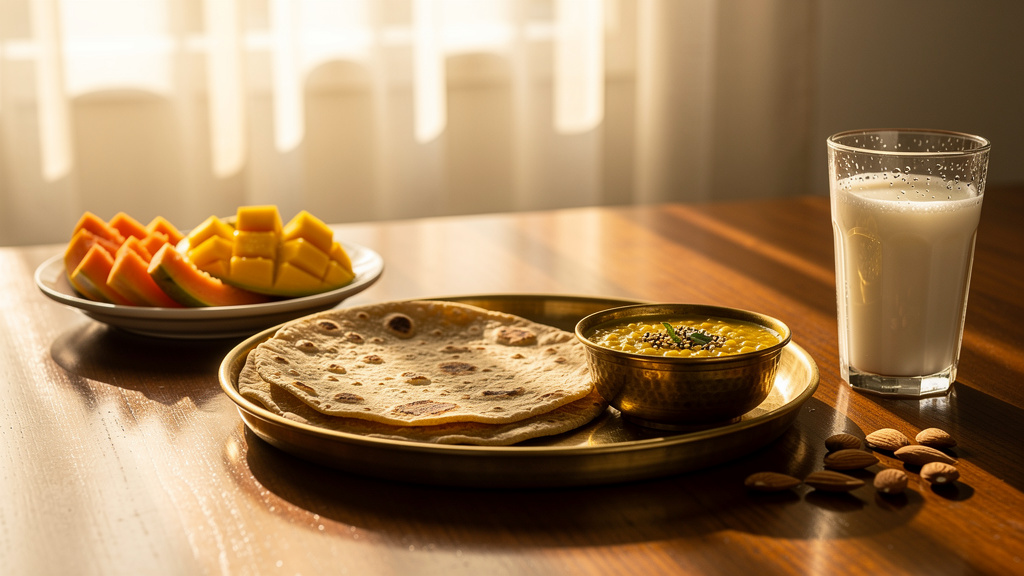
Skipping meals may seem like a quick way to “save calories”, but for most people it backfires. When the body is deprived for long stretches, hunger hormones such as ghrelin go up and satisfaction signals like leptin go down. Blood sugar becomes less stable, leading to energy crashes, irritability and powerful cravings for quick, high-sugar foods.
Emotionally, strict self-denial can increase obsession with food. Thoughts circle around what is “allowed” or “forbidden”, and when a person finally eats something from their “forbidden” list, it is easy to swing to the other extreme and overeat. This cycle of restriction and loss of control is exhausting and damaging to confidence.
Research backs this up. Data from the National Weight Control Registry shows that people who keep weight off long term tend to eat breakfast regularly and follow a fairly consistent meal pattern. Those who skip breakfast are more likely to have higher body weight and lower intake of fibre and other key nutrients. Consistent eating stabilises blood sugar, which keeps energy steady and reduces sudden urges to snack on sweets or fried foods.
Registered dietitians help people build regular eating patterns that work with their schedule. They suggest quick breakfasts, pre-planned lunches and balanced evening meals that do not require complicated cooking. For busy people, this structure means fewer last-minute decisions and fewer chances to grab the easiest, least helpful option. Over time, these steady habits support both weight loss and a calmer relationship with food.
Planning Meals To Prevent Hunger-Driven Poor Choices
Planning does not have to mean spending all Sunday in the kitchen. Even small steps can make a big difference when life is packed. A dietitian may encourage clients to start by planning just one meal of the day, usually the one that tends to “go wrong” most often, such as afternoon snacks or late-night dinners.
Practical steps might include:
- Batch-cooking a basic protein like grilled chicken, paneer or lentils
- Chopping vegetables and storing them in clear containers
- Keeping staples like yoghurt, nuts, roasted chana and fruit on hand
- Packing snacks in advance for busy days or long commutes
When these foods are ready to grab, it becomes much easier to throw together a balanced plate or snack in minutes.
healthy Indian lunch box are especially helpful for people who move between meetings or travel across the city. Handfuls of nuts, roasted chana, fruit, yoghurt cups or home-made rolls can live in bags or office drawers. Thinking ahead about busy days means there is less need to rely on street food or vending machines.
Common barriers such as “I don’t have time” or “I don’t know what to make” are very real. Nutridate with Priyanka supports clients by offering simple, realistic meal ideas matched to cooking skill, budget and available time. Even a small weekly planning session can prevent many rushed choices that slow down progress.
Beyond Meal Plans: Behavioural Change Strategies For Lasting Results
Meal plans are useful, but on their own they do not change long-term behaviour. Many people know roughly what they “should” eat, yet find themselves doing the opposite when stressed, tired or emotional. Studies suggest that nutrition myths India and habits contribute to a large share of deaths linked with food-related diseases, which shows how important both education and behaviour change are.
Registered dietitians act as teachers as well as planners. They explain what a balanced plate looks like, how much protein is needed, how to read food labels, and why fibre matters. They help people understand how different foods affect blood sugar, cholesterol and hormones, especially in conditions such as PCOS or diabetes. When people know the “why” behind advice, they are more likely to stick to it and adapt it in different situations.
Behaviour is at the heart of this work. Many people struggle with emotional eating, stress snacking, mindless munching in front of screens or “all-or-nothing” thinking (“I had one sweet, so the whole day is ruined”). Dietitians use techniques such as goal setting, self-monitoring, stimulus control (changing the environment) and cognitive restructuring (challenging unhelpful thoughts) to shift these patterns.
A key part of this process is self-compassion. Instead of labelling themselves as “weak” or “failed” after overeating, clients are encouraged to look at what happened with curiosity. Was there a trigger, such as an argument or lack of sleep? What might help next time? Small, steady changes are more helpful than massive overhauls that last a week. Nutridate with Priyanka places strong focus on this gentle, realistic approach, supporting both mental and physical health.
Identifying And Overcoming Emotional Eating Patterns

Emotional eating happens when food is used mainly to manage feelings rather than hunger. For example, a person might reach for sweets every time they feel anxious, lonely or bored, even if their stomach is not empty. Emotional hunger often appears suddenly, is quite urgent and tends to crave very specific foods, especially those high in sugar or fat.
Physical hunger builds more slowly and is mindful eating; a range of foods might feel satisfying. People may also notice that with emotional eating they often keep going past the point of comfort and feel guilty afterwards. Learning to spot these differences is the first step in changing the pattern.
Dietitians help clients track this by using simple food-mood diaries. In these, people write down what they ate, when, how hungry they were before and how they felt emotionally. Over a week or two, patterns often appear very clearly. Together, the client and RD then build a “toolbox” of other ways to cope with feelings, such as walking, journalling, listening to music, deep breathing or talking to a friend.
Environmental changes also help. Keeping trigger foods out of easy reach, eating only at a table instead of in bed or at a desk, and taking a short pause before eating when a strong urge appears all give space for a more conscious choice. Dietitians do not label emotional eating as “bad”, but work to reduce its hold and give people more options for comfort and relief.
Building Sustainable Healthy Habits Beyond Dieting
The word “diet” often suggests something short-term and restrictive, after which life goes back to “normal”. This pattern almost always leads to weight regain, because the old habits that caused weight gain in the first place also return. Registered dietitians aim to move people away from this stop-start cycle towards habits that feel natural and flexible.
One practical tool is habit stacking. Instead of trying to build a new habit from nothing, it is attached to something that already happens every day. For example, someone might drink a glass of water right after brushing their teeth, or pack a snack box while preparing their child’s tiffin. Over time, these small links become automatic.
Perfectionism is another hurdle. Many people think they must eat “perfectly” all week and feel that a single off-plan meal cancels all progress. Dietitians encourage an “80/20” mindset, where most choices support health and some are simply for pleasure. This reduces guilt and helps people return to their pattern after a treat instead of spiralling.
Real life includes restaurants, weddings, festivals and holidays. RDs teach skills for reading menus, sharing dishes, choosing meaningful treats and balancing party days with gentler days around them. They also help people gain basic cooking skills and simple meal planning habits, so healthy choices do not feel complicated. portion control strategies, such as keeping fruit on the table and storing sweets out of sight, makes better choices the easy default. At Nutridate with Priyanka, plans are built around these habit principles so that changes last far beyond the first few weeks.
“Let food be thy medicine and medicine be thy food.” — Hippocrates
Ongoing Support, Accountability And Progress Monitoring
Most people feel very motivated in the first week of a new plan. The real test is what happens in month three, six or twelve. Life events, work stress, festivals and tired days all appear, and motivation naturally rises and falls. Ongoing support from a registered dietitian makes a big difference at these times.
The RD’s role shifts from planner to coach, guide and problem-solver. Regular check-ins allow both success and struggle to be discussed honestly. Some clients benefit from weekly contact at first, then move to fortnightly or monthly reviews as habits strengthen. These sessions are used to review food logs, discuss energy levels, check hunger patterns and look at how well the plan fits daily life.
Progress is tracked in a broad way. The scale is one tool, but not the only one. Dietitians look at waist measurements, clothing fit, lab reports such as HbA1c or cholesterol, sleep quality, mood, digestion and fitness. Many people feel better in these areas before big changes show up on the scale. Recognising these non-scale victories keeps morale high.
Research shows that frequent self-monitoring, such as tracking food or steps, is linked with better long-term weight management. Accountability, whether through scheduled appointments or written logs, helps people stay connected to their aims on days when willpower feels low. Knowing that someone like the team at Nutridate with Priyanka will review progress adds a gentle push to keep going, without judgement.
Setting Realistic Goals And Tracking Meaningful Progress
Goal setting is a central part of registered dietitian weight loss work. There are two main types of goals:
- Outcome goals — for example, “lose 15 kilos”
- Process goals — for example, “walk 30 minutes five days a week” or “eat vegetables with lunch and dinner”
Outcome goals give direction, but process goals are what people can act on daily.
Dietitians help set realistic expectations for weight change, often around 0.5 to 1 kilo per week depending on starting size and health status. Faster loss may look tempting, but it usually increases the risk of muscle loss, nutrient gaps and rebound weight gain. Slower, steady progress is far kinder to the body.
To see the full picture, RDs track many indicators. Waist size is especially important for health risk, as abdominal fat is linked with heart disease and diabetes. Energy and mood scores, hunger and fullness notes, exercise performance, menstrual regularity for women with PCOS, and lab values such as blood sugar all matter. When the scale stalls but other markers improve, it shows that the body is moving in the right direction. Dietitians also help reframe “slips” as learning points and adjust plans instead of letting one hard week undo months of good work.
Adapting Plans As Your Body And Life Change
Bodies do not respond in a straight line, and lives do not stay the same from month to month. What works at the start of a plan may need changing later. Registered dietitians expect this and treat adjustments as a normal part of the process, not as a sign of failure.
Reasons for change can include a weight loss plateau, increased exercise that demands more fuel, a new work schedule that affects meal timing, or health developments such as pregnancy, a new diagnosis or medication. Sometimes, a person simply feels ready for a different style of eating, such as moving from strict structure to more flexible guidelines.
Dietitians notice when something needs to shift by reviewing tracking data and listening carefully to how the person feels. If hunger is very high, energy is low or mood is worsening, the plan may be too strict. If progress has stopped for several weeks, minor calorie or macronutrient changes or a new training pattern may help. Approaches like calorie cycling or adding a short “diet break” at maintenance level are sometimes used.
At Nutridate with Priyanka, plans are never “set and forgotten”. They are reviewed regularly so that they stay aligned with current life, body signals and health goals.
Specialised Support For Medical Conditions Affecting Weight
Many long-term health conditions both affect body weight and are affected by it. PCOS, diabetes, thyroid disorders, fatty liver disease and heart problems can all make weight gain easier and weight loss harder. At the same time, modest weight loss often improves symptoms and lowers health risks. This two-way link means that nutrition support for these issues needs careful attention.
Registered dietitians receive specific training in medical nutrition therapy. This includes learning how diseases develop, how medications work, and how certain nutrients and eating patterns can support or interfere with treatment. They also learn to read and interpret lab results, which helps them fine-tune plans over time.
For someone on insulin or certain diabetes medications, for example, a sudden drop in carbohydrate intake can cause dangerous low blood sugar. A dietitian will coordinate with the doctor to adjust doses safely as weight loss and blood sugar control improve. For people with heart disease, certain supplements or very high-fat diets may not be safe. An RD helps navigate these areas.
By working closely with doctors, endocrinologists and gynaecologists, dietitians can make sure that weight management supports rather than harms medical treatment. They keep an eye on blood pressure, cholesterol, HbA1c, liver enzymes and other markers and adjust the nutrition plan accordingly. The following sections highlight how this looks for some common conditions seen at Nutridate with Priyanka.
PCOS/PCOD: Hormonal Balance Through Nutrition

Polycystic ovary syndrome (PCOS) is a hormonal condition affecting many women of reproductive age. It often involves insulin resistance, higher levels of androgens (male-type hormones), irregular periods, acne and increased hair growth. Weight gain around the abdomen is common, and frustratingly, losing weight can feel much harder than it “should” based on effort.
Because insulin resistance sits at the centre of PCOS for many women, dietitians focus on eating patterns that make the body more sensitive to insulin. This includes choosing lower-glycaemic foods such as whole grains, pulses, vegetables and whole fruits instead of juices and refined flours. Pairing carbohydrates with protein and healthy fats at meals helps blunt sharp blood sugar spikes.
Anti-inflammatory foods are also important. Colourful vegetables and fruits, omega-3 rich foods like flaxseeds, walnuts and certain fish, and minimal highly processed snacks can help calm inflammation linked with PCOS symptoms. Adequate protein supports a steady metabolism and helps control cravings, which is vital when hormonal swings are present.
PCOS diet plan as small as 5–10% of body weight can lead to more regular cycles, improved fertility, reduced androgen levels and better skin for many women. However, progress is often slow, and regular diet plans may not work well. Nutridate with Priyanka has deep experience in PCOS dietary management, offering gentle, consistent guidance and understanding the emotional toll this condition often brings.
Diabetes Management And Blood Sugar Control
Type 2 diabetes management program are closely linked with weight and lifestyle. The good news is that changes in food, movement and body weight can greatly improve control, and in some cases Type 2 diabetes can go into remission. Even a 5–7% weight reduction can lower the risk of prediabetes progressing to full diabetes.
Registered dietitians help with diabetes management by teaching how different carbohydrate sources and portions affect blood glucose. They guide people to spread carbohydrate intake more evenly through the day, choose lower-glycaemic options like whole grains and pulses, and combine them with protein and fat for a smoother blood sugar curve. Fibre-rich foods slow digestion and keep a person fuller for longer.
Careful coordination with medications is essential. As blood sugar levels improve with better eating and weight loss, medication doses may need to change. RDs work alongside doctors to prevent hypoglycaemia and adjust plans gently. They also help people interpret readings from glucometers or continuous glucose monitors, turning numbers into clear actions.
At Nutridate with Priyanka, diabetes support includes both weight management and day-to-day decision-making, such as what to eat when sick, how to handle festivals, and how to eat before and after exercise.
Heart Health And Cardiovascular Disease
Excess weight, especially around the waist, increases the risk of high blood pressure, high cholesterol and heart disease. Dietitians support heart health by recommending gut health Indian foods shown in research to reduce these risks while also supporting weight loss where needed.
The Mediterranean diet, rich in vegetables, fruits, whole grains, pulses, fish, nuts and olive or similar oils, has strong evidence for lowering heart events. The DASH pattern (Dietary Approaches to Stop Hypertension) focuses on foods high in potassium, calcium, magnesium and fibre, while keeping sodium low. The Portfolio diet adds specific cholesterol-lowering foods like oats, barley, soya protein, nuts and foods containing plant sterols.
A registered dietitian can adapt these patterns to Indian foods and personal tastes, making them realistic for everyday life. They also monitor blood pressure, LDL cholesterol, triglycerides and inflammatory markers over time. For people on cardiac medications or blood thinners, professional guidance helps avoid food-drug interactions and supports safe, steady progress.
Digital Tools And Modern Support Systems For Weight Loss
Modern registered dietitian weight loss care does not end when a session finishes. Technology now allows dietitians to stay connected with clients between visits, which is especially valuable for busy professionals in cities like Kolkata. Apps, online resources and messaging make it easier to ask questions, share updates and stay on track.
Digital tools are not a replacement for professional advice, but they make that advice easier to follow. Food tracking apps, habit trackers and step counters give both client and dietitian a clearer picture of what is happening day to day. Research suggests that programmes which combine digital tools with professional support often achieve results similar to, or even better than, traditional in-person-only settings.
For people who juggle long commutes, family duties and demanding jobs, this flexibility matters. Nutridate with Priyanka uses online consultations to reach clients wherever they are, and often incorporates simple tracking methods suited to each person’s comfort level. The aim is to remove friction, not to add yet another stressful task.
Food Tracking And Monitoring Apps
Self-monitoring is one of the strongest predictors of weight loss and maintenance. Writing down what is eaten, how much movement happens and how one feels creates awareness that is hard to get in any other way. Many people are surprised when they see their usual intake laid out in front of them.
Modern apps make this process smoother. Barcode scanners mean packaged foods can be logged within seconds. Some apps allow photo-based tracking, where a person simply snaps a picture of their plate, which is helpful for those who dislike typing every detail. Others break down nutrients such as protein, fibre, sodium and sugar so that people can see not just calories but also quality.
Habit tracking features can log water intake, step counts, sleep hours or medication use. When a dietitian has access to this information, they can spot patterns like low-fibre days, frequent late-night snacking or very low step counts and discuss them in sessions. At the same time, RDs help clients avoid becoming obsessive about numbers, reminding them that tracking is a tool for learning, not for self-punishment.
Digital Meal Plans And Recipe Resources
Digital meal plans bring structure straight to a person’s phone or tablet. Instead of wondering “what should I cook?” at 8 pm, people can open a plan that already lists ideas matched to their calorie and nutrient needs. Recipes often come with step-by-step guidance, approximate cooking time and full nutrition information.
Automatic shopping lists based on chosen recipes save time in markets or supermarkets. Items can be grouped by aisle or category, which reduces both mental load and the chance of forgotten ingredients. Portions can be adjusted for single people, couples or families, which keeps waste low.
Nutridate with Priyanka provides practical, easy-to-follow ideas rather than complicated gourmet menus. This style suits busy households in Kolkata, where time, gas and space may all be limited.
Online Communities And Group Support
Changing eating habits can sometimes feel lonely, especially if friends or family do not share the same goals. Online communities and group sessions moderated by dietitians offer a space where people can share both struggles and wins with others who understand. Questions that feel silly to ask in person can be typed out and answered kindly.
Seeing others progress is motivating, and sharing setbacks can reduce shame. Group coaching sessions on themes such as handling social events, dealing with stress at work or managing cravings provide extra education and encouragement. For many people, this sense of “not being alone” makes a big difference in staying consistent.
Challenging Common Weight Loss Myths With Professional Insight
The weight loss world is full of myths that sound convincing but do not stand up to science. Friends, relatives, celebrities and influencers often repeat these ideas with confidence. While most mean well, following such tips can waste time, harm health and worsen someone’s relationship with food.
Registered dietitians are trained to read research critically. They look at study design, sample size and long-term outcomes before trusting a claim. They also see hundreds or thousands of real-life cases, which gives them a practical sense of what actually works outside of a laboratory.
When dietitians correct myths, their goal is not to embarrass people for believing them. Many clients at Nutridate with Priyanka arrive after years of trying plans based on Indian weight loss myths. The aim is to replace confusion with clear, practical knowledge that respects both the body and the mind.
Myth: Skipping Meals Accelerates Weight Loss
As discussed earlier, missing meals may lower calorie intake on paper, but in real life it usually leads to problems. Long gaps without food can slow metabolic rate slightly, increase hunger hormones and make it harder to stop eating once food is available. Many people end up eating more in the late afternoon and evening than they “saved” by skipping breakfast or lunch.
The National Weight Control Registry shows that most people who have lost a large amount of weight and kept it off tend to eat breakfast regularly. Breakfast eaters also usually take in more fibre, calcium and protein, which support health. Dietitians prefer steady, balanced meals and snacks spread through the day rather than large, erratic feeding windows. For most people, this pattern supports better energy, mood and control.
Myth: All Calories Are Equal
It is true that a calorie is a unit of energy and that weight loss requires a calorie deficit. However, the body does not respond to all calories in the same way. Protein has a higher thermic effect than carbohydrates or fats, which means the body uses more energy to digest and process it. Two meals with the same calorie content but different protein amounts will not have identical effects.
Satiety also matters. Two hundred calories of grilled chicken and vegetables will fill the stomach more and keep hunger away longer than two hundred calories of sweets. Refined carbohydrates such as white bread or sugary drinks raise blood sugar quickly and then drop it, which can increase cravings. In contrast, whole grains, pulses and vegetables with fibre slow this rise and fall.
Nutrition density is another factor. A hundred calories of nutrient-rich Indian foods and fibre, while the same calories from a soft drink add almost nothing useful. RDs design registered dietitian weight loss plans that respect both calorie totals and nutrient quality, which is more effective than counting calories alone.
Myth: Carbohydrates Cause Weight Gain
Carbohydrates often get blamed for weight gain because many high-carb foods are easy to overeat and are common in snacks, desserts and fast foods. Low-carb diets also cause quick early losses, mainly from water, which can give the impression that carbs themselves are the enemy. In reality, weight gain comes from eating more total energy than the body uses, from any source.
The type and Indian weight loss plate matter more than its simple presence. Whole grains, fruits, vegetables and pulses provide energy along with fibre, vitamins and minerals. These foods support digestion, heart health and even good gut bacteria. Refined flours, sugary drinks and sweets, on the other hand, give a lot of energy with little nutrition and can encourage overeating.
Dietitians adjust carbohydrate intake to each person. Active people and athletes often need more, while individuals with PCOS or diabetes may feel better with careful portion control and choice of lower-glycaemic options. Completely cutting out carbohydrate-rich food groups is rarely needed and often leads to cravings and later overeating.
Myth: You Must Exercise Intensely To Lose Weight
Exercise has many benefits, but it is not a punishment for eating. People often believe they need to do long, hard workouts to deserve food or to burn off “cheat” meals. This thinking makes movement feel negative and can stop people from starting at all if they dislike gyms or have joint pain.
In truth, food choices have a bigger effect on weight than exercise. It is much easier to reduce intake by 300 calories than to burn 300 extra calories every day through workouts. Gentle to moderate activity like walking, yoga, cycling or home-based strength work still supports muscle, mood and health.
Dietitians see movement as something to enjoy and build gradually. They help people find types of activity that feel right for their bodies and lives. Nutrition plans are then shaped to fuel that movement without relying on extreme training to “fix” overeating.
Why Choose Nutridate With Priyanka For Your Weight Loss Goals
With so many apps, diets and wellness programmes available, it can be hard to know where to turn for safe, realistic support. Nutridate with Priyanka stands out by combining strong professional training with deep experience and a very human, kind approach. Priyanka is a registered dietitian who has worked with more than 10,000 clients, giving her a rich understanding of how different bodies and lifestyles respond to change.
Instead of handing out strict, one-size-fits-all meal charts, Nutridate with Priyanka focuses on building plans around each person’s real life. This includes medical conditions such as PCOS, diabetes and thyroid issues, fitness goals like marathon training, and everyday realities such as long working hours or caring for family. The method is non-restrictive, which means no long lists of “off-limit” foods, and it pays attention to mental wellbeing as much as to lab reports.
Support goes far beyond the first appointment. Clients receive ongoing guidance, education and accountability, so they are not left alone when motivation dips or life becomes messy. For best nutritionist and dietitian in Kolkata, online consultations mean high-quality care without the need to travel across the city. Whether the aim is sustainable weight loss, healthy weight gain, better blood sugar control or support for sports performance, Nutridate with Priyanka provides steady, evidence-based care.
Personalised Plans That Fit Your Real Life
At Nutridate with Priyanka, every plan begins with listening. Work schedules, shift timings, commute length, family meal patterns, favourite foods, religious practices and budget all matter. A PCOS weight loss needs who works night shifts will need a different structure from a retired person with diabetes, and both deserve plans that respect their needs.
Food preferences are honoured as far as possible. If someone loves rice, the aim is to find the right portion and combination, not to ban it. Traditional Bengali, North Indian or other regional dishes can often be kept with small changes in oil amount, cooking method or side dishes. This cultural sensitivity makes the plan feel familiar rather than foreign.
Plans also allow space for eating out, weddings, festivals and holidays. Instead of saying “no”, the dietitian helps plan ahead, balance portions and return to regular patterns afterwards. Online consultations make it easy for those working in Kolkata or even living elsewhere to check in, ask questions and adjust plans without losing time in travel.
Supportive, Non-Judgmental Guidance Every Step
Many people delay seeking help from a dietitian because they feel ashamed of their weight, worried about being judged for their eating, or guilty about “failing” past diets. Nutridate with Priyanka works very intentionally to create a safe, supportive space where these feelings can be shared and softened.
The style is professional yet warm. Clients are treated as partners, not as children who must “obey” rules. When things do not go as planned, the focus is on understanding what got in the way and how to adjust, not on blame. Small wins are celebrated, and setbacks are seen as part of the process.
This non-judgemental approach makes it easier to be honest about emotional eating, late-night snacking, or skipping exercise. With honesty comes clearer information, and with clearer information, the dietitian can provide better guidance. Over time, people often find not only that their weight and health markers improve, but also that their relationship with food and their own body becomes kinder.
A Quick Recap
Healthy weight management and illness care are not about willpower alone, nor about copying the latest trend from social media. They are about working with the body, not against it, using knowledge, structure and compassion. A registered dietitian offers this combination by bringing medical-level training, counselling skills and real-life understanding into one place.
From creating personalised eating plans and explaining metabolism, to helping with PCOS, diabetes and heart health, dietitians support change on several levels at once. They address not just what goes on the plate, but also habits, emotions, environment and long-term patterns. With ongoing support, regular review and flexible adjustments, progress becomes steadier and more sustainable.
Nutridate with Priyanka brings all of these elements together for people in Kolkata and beyond through both in-person and online care. For anyone tired of strict diets, confused by conflicting advice or worried about health conditions linked with weight, working with a registered dietitian may be the most sensible next step. It is a way to move towards better health with guidance, not guesswork, and with kindness rather than pressure.
Want Expert Registered Dietitian Weight Loss Guidance?
A qualified dietitian can help you lose weight safely, improve your lifestyle habits, and build a personalized diet plan that supports long-term health. Get the right support for better results.
Get Weight Loss GuidanceFAQs
Calorie-counting apps can be helpful for awareness, but they do not replace medical training. A registered dietitian looks at health history, medications, hormones, lab values and lifestyle, then builds a safe calorie deficit around that information. They also help prevent nutrient gaps, muscle loss and extreme restriction, which simple apps cannot do.
Priyanka uses PCOS-focused nutrition strategies that address insulin resistance, inflammation and hormonal balance. Plans focus on lower-glycaemic carbohydrates, plenty of fibre, adequate protein and anti-inflammatory foods, all adjusted to each woman’s schedule and food preferences. Emotional support and realistic expectations are also central, as PCOS weight loss can be slower and more frustrating.
For many people, yes. Online consultations allow for the same detailed assessment, discussion and follow-up without travel time. Food logs, photos and lab reports can be shared digitally, and regular check-ins can be scheduled around work and family demands. Many busy professionals in Kolkata find they are more consistent when support fits easily into their routine.
It is safer to do this with professional guidance. Changes in eating and weight can alter how the body responds to insulin or tablets, which may increase the risk of low blood sugar if doses are not adjusted. A registered dietitian, working with the doctor, can help design a plan that improves control while keeping blood sugar within a safe range.
Past attempts usually fail because the plans were too strict, not personalised or did not address emotional and habit-based eating. At Nutridate with Priyanka, the focus is on small, steady changes, flexible eating and understanding personal triggers. Instead of blaming willpower, the dietitian works with each person to build a way of eating and living that they can see themselves following for years, not just weeks.