Balkan Diet Explained: Food List, Nutrition Facts & Is Balkan Food Actually Healthy?
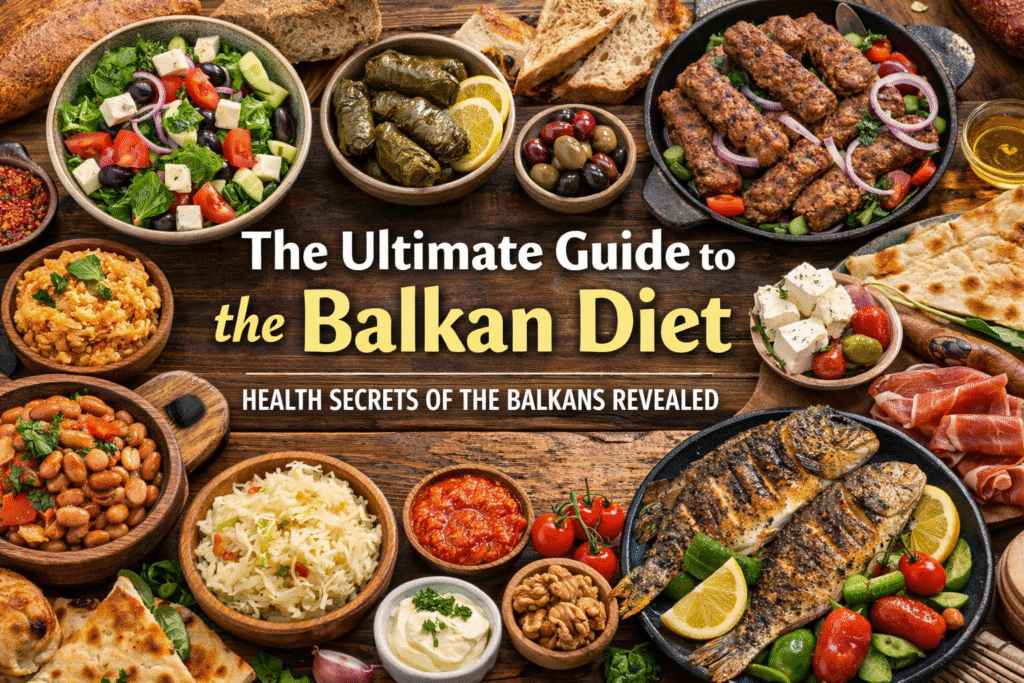
Imagine sitting at a long wooden table covered with bowls of colourful salads, grilled meats, fresh bread and tangy yoghurt, while family and friends talk loudly and pass plates around. That scene is a simple picture of the Balkan Diet, a way of eating that has quietly kept whole regions healthy for generations. It looks hearty and comforting, yet many people still wonder whether this style of food is actually good for the body.
The Balkans stretch across Southeast Europe and include countries such as Serbia, Croatia, Bosnia and Herzegovina, Bulgaria, Romania, Albania, North Macedonia, Greece and parts of Turkey. Their food is a mix of Mediterranean freshness, Ottoman grills and pastries, and Slavic comfort dishes. When someone hears about this way of eating for the first time, the first question often is very direct – is Balkan food healthy or is it just tasty and heavy?
This question matters a lot if you are trying to manage weight, control diabetes or high blood pressure, or simply want a long‑term way of eating that feels natural instead of stressful. The good news is that when the Balkan Diet is eaten in its traditional form, it lines up very well with modern nutrition science and with the food philosophy used at Nutridate with Priyanka. Both focus on whole foods, plenty of vegetables, fermented dairy for gut health and eating patterns that fit real life.
In this guide, you will see what people actually eat in the Balkans, how these foods support your health and where you may need to watch your portions. By the end, you will understand the full Balkan diet food list, key nutrition facts and have a clear, evidence‑based answer to the big question is Balkan food healthy, and can it work for your goals, whether that is weight loss, better sugar control or steady energy through a busy day.
As many nutrition experts like to say, “your usual eating pattern matters far more than any single food or meal.”
Curious About the Balkan Diet?
Wondering how the Balkan diet can impact your health? A certified dietitian can guide you through its food list, nutrition facts, and help you plan meals that suit your lifestyle.
Talk to Our Dietitian TodayWhat Is The Balkan Diet?
The Balkan Diet is a traditional way of eating followed across large parts of Southeast Europe. It is not a strict meal plan that tells you exactly what to eat each day. Instead, it is a pattern built around fresh vegetables, fermented dairy, grilled meats, beans, whole grains and simple cooking methods that let the ingredients shine. People sometimes call it the balkin diet online, but the idea is the same – real food cooked from scratch and shared with others.
Geography and history shape this style of eating. Coastal areas along the Adriatic and Aegean seas look a lot like the Mediterranean diet, with olive oil, fish, herbs and plenty of salads. Inland regions show a strong Ottoman touch, with grilled minced meats, stuffed vegetables and filo pastry pies. In the north, there is a clear Austro‑Hungarian stamp with stews, sausages and rich cakes, while Slavic roots add pickled vegetables, beans and cornmeal dishes. All of this blends into one broad pattern that forms the base of Balkan nutrition.
At the heart of this pattern sits a simple rule: meals are built around seasonal, local produce, supported by modest amounts of meat and dairy, and brought to the table as shared dishes. Vegetables appear at almost every meal. Yoghurt and white cheese are common sides. Bread is often present, but it is usually eaten along with salads, beans or soups rather than on its own as snack food. Grilling and baking are preferred over deep frying, which helps keep extra fat under control.
You can think of the core principles of the Balkan Diet as:
- Plenty of vegetables at almost every meal
- Regular fermented dairy, such as yoghurt and brined cheese
- Moderate meat and fish, often grilled rather than fried
- Beans, lentils and grains for steady energy
- Simple herbs and spices instead of heavy sauces
For someone working with Nutridate with Priyanka, this way of eating will feel very familiar. Just as Indian kitchens hold powerful fermented foods like dahi and chaas, Balkan kitchens rely on yoghurt, kefir and pickled vegetables to keep the gut happy. The focus is on long‑term, sustainable eating rather than short‑term tricks, and on using traditional food wisdom in a modern, practical way.
The Historical And Cultural Roots Of Balkan Cuisine
To understand the Balkan Diet, it helps to know how many cultures have cooked on this land. For nearly five centuries, much of the region was under the Ottoman Empire. From that time came the love of grilling meat on open fire, minced meat dishes such as ćevapi and pljeskavica, paper‑thin filo pastry for pies like börek, and stuffed vegetables called dolma. Syrup‑soaked sweets like baklava also tell this story.
Along the coasts of Croatia, Albania, Montenegro and Greece, another picture appears. Here, the sea brings fish and shellfish to the plate, often grilled with olive oil, lemon and fresh herbs. Tomatoes, peppers, aubergines and courgettes are cooked in simple ways that keep their bright taste. Wine, olives and good bread give these areas a strong Mediterranean feel.
Further north, in parts of Croatia, Slovenia and Serbia, the Austro‑Hungarian past shows up in hearty stews, smoked and cured meats and layered cakes and strudels. At the same time, older Slavic habits continue, such as pickling cabbage and cucumbers, fermenting dairy into yoghurt and kefir, and cooking long‑simmered bean stews and cornmeal porridge. Bread holds deep meaning and appears at almost every table.
All these threads come together into a cuisine that feels both rustic and refined. There is comfort food for cold winters and light, fresh dishes for hot summers. From a health point of view, this mix gives a balance of fibre, good fats, fermented foods and quality protein. At Nutridate with Priyanka, there is the same respect for long‑standing food traditions, whether they come from Indian villages or Balkan hills, because they often solve modern health problems in simple and powerful ways.
As many food historians argue, traditional cuisines are “living records of trade, migration, and shared history” that also support daily health.
Balkan Diet Food List: What Do People Eat?
When you look closely at daily meals, the Balkan Diet becomes easier to copy at home, even if you live in Kolkata or abroad. The pattern is based on food groups rather than strict recipes, so you can mix and match with ingredients that are easy for you to find. The next sections break down the main parts of this eating style so that you can build your own Balkan‑inspired plate.
Vegetables And Fresh Produce
Vegetables are the star of the Balkan table. Fresh bell peppers, especially sweet red and long pale green ones, tomatoes, cucumbers and onions appear in salads and side dishes through much of the year. Aubergines and courgettes are grilled, baked or cooked in stews, while leeks and cabbage bring gentle flavour to many slow‑cooked meals. In winter, cabbage turns into fermented sauerkraut, and root vegetables like potatoes, carrots and parsnips add comfort and bulk.
These vegetables are not just side decorations. They are:
- Grilled on skewers next to meat
- Stuffed with rice and herbs
- Baked in trays with tomatoes and onions
- Served raw with oil and vinegar
Families build meals around whatever is growing in that season, which keeps the diet fresh, varied and rich in dietary fibre without feeling strict.
Dairy Products
Fermented dairy has a central place in Balkan nutrition and is eaten daily. Plain full‑fat yoghurt is served in bowls, poured into glasses or mixed into cold soups. White brined cheeses, called sirene or sir and similar to feta, are crumbled over salads, baked into pies or enjoyed simply with bread and tomatoes. A thick, creamy spread called kajmak, close to clotted cream, adds richness to bread and grilled meats, while kefir brings a tangy drinkable option.
These dairy foods do more than add flavour. Because they are fermented, they carry live bacteria that support healthy gut flora. This idea is very close to the way Nutridate with Priyanka uses homemade dahi, chaas and other Indian fermented foods to calm acidity, ease bloating and support digestion in a natural way.
Meats, Poultry, And Fish
Meat sits on the plate as a supporting player rather than the whole show. Lamb, pork, beef and veal are often minced and shaped into ćevapi or pljeskavica, then grilled over hot coals. Chicken appears in simple soups and stews or roasted with herbs. Inland regions are also proud of their cured and smoked meats and sausages, including air‑dried ham like pršut.
Along the coast, fresh fish and shellfish are very common. They are usually grilled whole with olive oil, garlic and lemon, or cooked in light tomato‑based stews. The main cooking styles for meat and fish are grilling, roasting and slow simmering, which keep added fat low. At the same time, plates carry generous portions of salad and vegetables, so meals feel filling without being heavy.
Grains, Pulses, And Legumes
Grains and pulses provide energy and plant‑based protein in the Balkan Diet. Bread is treated with respect and is served at nearly every meal, from simple white loaves to corn bread called proja. Thin sheets of pastry known as kore or yufka turn into savoury pies and sweet desserts. Cornmeal cooked into soft palenta or mamaliga gives a warm, spoonable side.
Beans and lentils are cooked slowly into thick stews, often flavoured with onions, paprika and sometimes a little smoked meat. Dishes like pasulj or grah can be simple plates of beans and bread, yet they give long‑lasting fullness, steady energy and important minerals like iron and magnesium that support daily health.
Fats, Oils, Nuts, And Seeds
The main fats in the Balkan Diet depend on where you live. Along the sea, extra virgin olive oil is used for cooking, dressing salads and drizzling over grilled vegetables. Inland, sunflower oil is common in pans and baking. In older recipes, lard sometimes appears in pastries and stews, especially in colder mountain areas. Walnuts show up everywhere, from nutty cakes and rolls to savoury dips and salads, adding crunch and heart‑friendly fats.
When eaten in their traditional form, these fats give a good balance of energy and flavour. The key is that they are paired with whole foods rather than processed snacks, much like the way Nutridate with Priyanka encourages you to enjoy ghee or cold‑pressed oils within a balanced, home‑cooked meal.
Herbs, Spices, And Condiments
Flavour in Balkan cooking comes from honest herbs and spices rather than heavy sauces. Fresh parsley is chopped into salads and sprinkled over grilled meat and fish. Dill, mint and oregano brighten yoghurt dips, soups and vegetable trays. Paprika, both sweet and hot, gives colour and warm spice to stews, meat rubs and sausages, while garlic, salt and black pepper form the basic base in many savoury dishes.
Curious About the Balkan Diet?
Wondering how the Balkan diet can impact your health? A certified dietitian can guide you through its food list, nutrition facts, and help you plan meals that suit your lifestyle.
Talk to Our Dietitian TodayA beloved condiment called ajvar ties many meals together. This thick spread is made from roasted red peppers, often with aubergine and a little garlic and chilli, slowly cooked with oil until sweet and smoky. It is spread on bread, eaten with cheese or served next to grilled meat, and it shows how simple vegetables can turn into something rich and deeply satisfying.
Signature Dishes Of The Balkan Diet
Looking at single dishes helps you picture how the Balkan Diet feels on the plate. Many of these recipes carry family memories and are served on special days, but lighter versions can also fit weekly menus. The dishes below are famous across the region, with small twists from country to country.
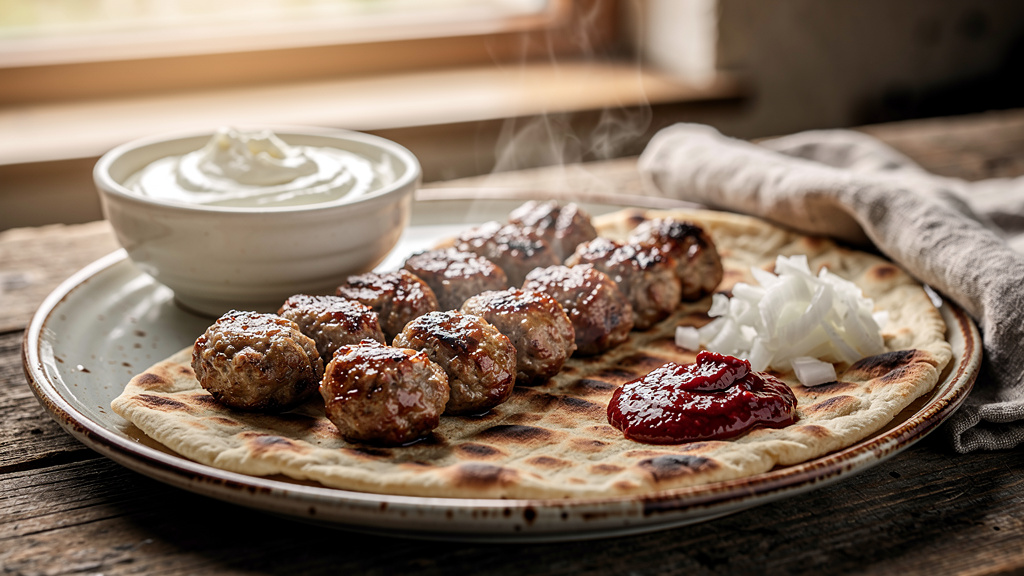
Ćevapi, also written as ćevapčići, are perhaps the most talked‑about Balkan food outside the region. These are small, skinless sausages made from minced beef, lamb or a mix, seasoned with just salt, pepper and sometimes garlic. They are shaped by hand and grilled over charcoal until smoky on the outside and juicy inside. A typical serving arrives tucked into soft flatbread called lepinja or somun, with piles of chopped raw onions, a spoon of creamy kajmak and a side of ajvar.
Börek, or burek, is the queen of pastry dishes. Thin sheets of dough are layered with fillings and baked until crisp and golden. One version holds minced meat, another is filled with white cheese and is called sirnica, a third folds in spinach and cheese as zeljanica, while yet another uses spiced potatoes in spirals or long rolls. People eat börek for breakfast, as street food or as a main meal with yoghurt, which makes it easy to overdo if you are watching weight, but small portions can still fit balanced eating.
Sarma is one of the great comfort foods of Balkan cuisine. Pickled cabbage leaves are wrapped around a mixture of minced meat, rice, onions and paprika. The neat rolls are packed tightly into a pot, often layered with pieces of smoked meat, and then simmered for hours in a light tomato‑based liquid. The result is soft, tangy and rich with flavour, and one or two pieces served with a side of mashed potatoes or bread can be quite filling.
Sogan dolma is another form of stuffed vegetable, this time using onions. Large onions are parboiled so the layers loosen, then each layer is filled with a mixture of minced meat and rice. These bundles are arranged in a pot and gently cooked in broth until the onions turn sweet and tender. This dish shows how even very simple ingredients can feel special when given time and care.
Ajvar, already mentioned as a condiment, deserves its own place on this list. Families often make it in big batches during autumn when red peppers are plentiful. The peppers are roasted, peeled and slowly cooked down with oil, sometimes with aubergine and garlic. The spread is then stored in jars and used for months to brighten sandwiches, grilled meats and plain bread. From a nutrition view, it gives a big hit of vitamin C and antioxidants without needing any cream or mayonnaise.
Tarator offers a lighter side of Balkan eating. This cold soup starts with plain yoghurt thinned with cold water. Grated or finely chopped cucumber, crushed garlic, chopped dill and ground walnuts are added, often with a small drizzle of oil on top. Served chilled, tarator cools the body in hot summers and supports digestion thanks to its probiotics and fibre.
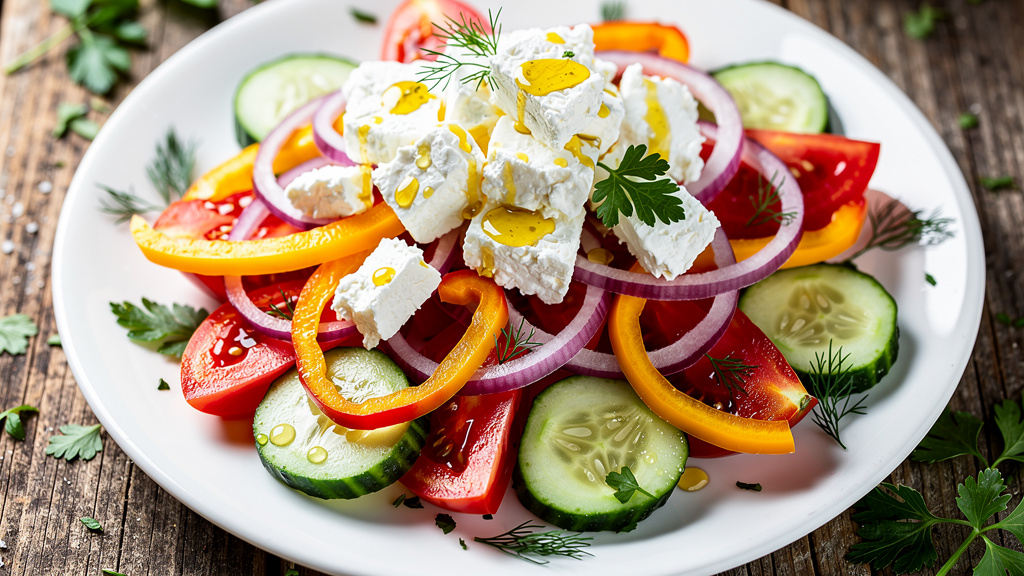
Finally, shopska salata is a fresh salad that appears across the region, especially in Bulgaria and North Macedonia. It is a simple mix of chopped tomatoes, cucumbers, onions and peppers, dressed with oil and sometimes a little vinegar, then heavily topped with grated white cheese. Eaten alongside grilled meat or beans, it lifts the meal with freshness and colour.
Across different Balkan countries, these dishes may have slightly different names or spice levels, yet the core idea stays the same. Real ingredients, simple methods and a mix of vegetables, protein and good fats form the base, which is exactly what you want when building a healthy way of eating.
Nutritional Facts: What Makes Balkan Food Nutritious?
When you look beyond flavour and think about nutrients, the Balkan Diet scores very well. It is naturally high in dietary fibre because vegetables, beans and whole grains appear in most meals. Fibre helps keep your digestion regular, feeds friendly gut bacteria and keeps you full for longer, so you are less likely to keep snacking between meals.
The diet also brings a wide range of vitamins and minerals:
- Tomatoes and peppers give vitamin C, which supports immunity and helps iron absorption.
- Leafy greens and orange vegetables provide vitamin A for eye and skin health.
- Beans, lentils and vegetables offer potassium and magnesium, which support healthy blood pressure and muscle function.
- Fermented dairy such as yoghurt and sirene adds calcium and phosphorus for strong bones and teeth.
Healthy fats are another strength. Along the coast, olive oil supplies monounsaturated fats that support heart health by improving the balance between good and bad cholesterol. Regular fish intake in these areas adds omega‑3 fats, which help lower triglycerides and calm inflammation. Inland regions use more sunflower oil and nuts like walnuts, which also contribute unsaturated fats that support the heart when eaten in sensible amounts.
A big plus of Balkan nutrition is its probiotic content. Traditional yoghurt, kefir and fermented vegetables like sauerkraut come with live bacteria that help your gut stay balanced. At Nutridate with Priyanka, similar benefits are seen when clients add homemade dahi, chaas or fermented rice to their Indian meals, and the result is often better digestion, less bloating and stronger immunity.
Protein quality is sound as well. Grilled meats and fish provide complete proteins with all essential amino acids, while beans and lentils support muscle repair and satiety. Because most cooking relies on grilling, roasting and simmering, much of this protein comes without large amounts of added fat. At the same time, the main carbohydrate sources are vegetables, beans and traditional breads rather than refined sugary snacks, which supports steadier blood sugar control.
A common line in nutrition research is that “traditional diets rich in vegetables, legumes, nuts and whole grains tend to support longer, healthier lives.”
The table below compares a few common Balkan‑style choices with similar processed Western options.
| Meal Or Food Pair | Balkan Style Choice | Common Processed Option | Key Nutrition Difference |
|---|---|---|---|
| Grilled ćevapi with flatbread and shopska salad | Freshly grilled minced meat, modest bread portion, large salad with raw vegetables and a little cheese | Fast food burger with white bun, fries and sugary drink | Balkan plate has more fibre, fewer trans fats and less added sugar, with better satiety. |
| Shopska salata | Raw tomatoes, cucumbers, onions, peppers, olive or sunflower oil, grated white cheese | Shop‑bought creamy coleslaw | Salad is higher in vitamin C and fibre, with healthier fats and far less added sugar. |
| Plain homemade yoghurt | Fermented milk with live cultures and no added sugar | Flavoured fruit yoghurt dessert | Plain yoghurt offers more probiotics and less sugar, which supports gut and blood sugar health. |
| Bean stew with bread | Slow‑cooked beans in tomato and vegetable base with a slice of bread | Instant noodles meal | Bean stew gives complex carbs, plant protein and fibre, while noodles give mostly refined starch and salt. |
When you choose the traditional version more often, you support your body with better nutrients almost without trying, which is exactly what a good eating pattern should do.
Is Balkan Food Actually Healthy? The Evidence‑Based Answer
When people search for is Balkan food healthy, they often see pictures of meat grills and pastries and feel unsure. Yet when you look at the full pattern rather than only party food, the answer is clear. The traditional Balkan Diet supports healthy weight, heart function, gut balance and blood sugar control, especially when meals are eaten mindfully and rich dishes are kept for special days.
The strengths of this way of eating come from its focus on fibre‑rich vegetables and beans, fermented dairy, quality protein and mostly unprocessed fats. These choices match what modern research suggests for prevention and support of conditions such as obesity, type 2 diabetes and heart disease. This is also why many principles overlap with the advice clients receive at Nutridate with Priyanka, even though the actual recipes may be Indian rather than Balkan.
Health Benefits For Weight Management
For weight loss or maintenance, the Balkan Diet has several strong points. First, the high fibre content from salads, cooked vegetables and bean dishes means your stomach stretches and sends fullness signals to the brain, which makes it easier to stop eating without feeling deprived. Second, the regular use of lean grilled meats, fish and fermented dairy gives protein that preserves muscle mass while you lose fat, which keeps your metabolism steadier.
Traditional meals also avoid many of the empty calories common in modern fast food, such as sugary drinks, packaged sweets and deep‑fried snacks. While dishes like börek can be calorie‑dense, they are not meant to be daily staples. When you follow the spirit of the diet and treat rich foods as occasional, you naturally move toward a lower‑calorie, more satisfying pattern. This is the same approach used at Nutridate with Priyanka, where you are guided toward balanced plates rather than strict bans that are hard to follow.
Benefits For Cardiovascular Health
Heart health is another area where the Balkan style of eating can support you. In coastal regions, olive oil supplies monounsaturated fats that help reduce LDL cholesterol and support higher HDL cholesterol. Regular fish meals bring omega‑3 fats, which lower triglycerides and support steady heart rhythm. Even inland, nuts and seeds in recipes give extra unsaturated fats that are kinder to arteries than trans fats found in many processed snacks.
Colourful vegetables, herbs and fruits used across the region are rich in antioxidants. Compounds in garlic, onions, peppers and greens help reduce low‑grade inflammation inside blood vessels. This, combined with a general focus on whole foods rather than highly processed items, supports lower blood pressure and better long‑term heart protection.
Support For Gut Health And Digestion
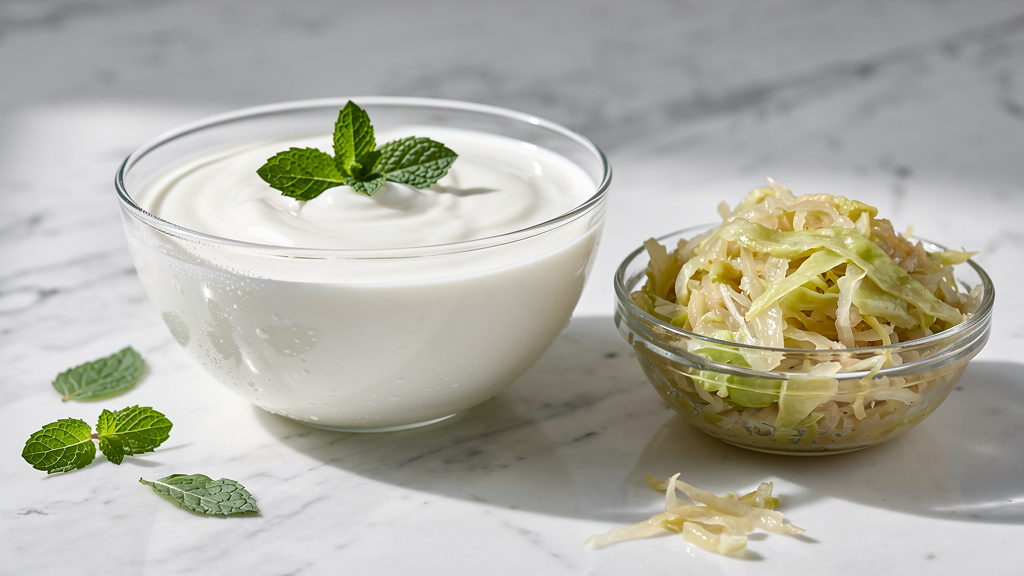
The Balkan Diet is very friendly to your gut. Daily intake of fermented foods such as plain yoghurt, kefir and sauerkraut supplies live bacteria that top up the natural population in your intestines. A healthy gut microbiome supports digestion, vitamin production and even mood regulation, so this is not a small benefit.
Vegetables, beans and whole grains in Balkan meals add prebiotic fibre, which acts as food for those helpful bacteria. This combination of probiotics and prebiotics mirrors the gut‑supporting focus at Nutridate with Priyanka, where clients are encouraged to use dahi, chaas and traditional pickles instead of jumping straight to probiotic pills. For many people, this simple change reduces gas, bloating and constipation in a gentle, steady way.
Curious About the Balkan Diet?
Wondering how the Balkan diet can impact your health? A certified dietitian can guide you through its food list, nutrition facts, and help you plan meals that suit your lifestyle.
Talk to Our Dietitian TodayBlood Sugar Control And Diabetes Management
If you live with diabetes or prediabetes, the Balkan Diet can be a helpful pattern when managed well. Most of the carbohydrates come from vegetables, beans and traditional breads rather than from sodas, sweets or refined snacks. These complex carbs break down more slowly, leading to a gradual rise in blood sugar instead of sharp spikes.
Meals also tend to combine fibre, protein and healthy fats on the same plate. For example, grilled meat with shopska salata and a small piece of bread, or bean stew with a spoon of yoghurt, both give a balanced mix that slows down glucose entry into the blood. This supports steadier readings through the day. At Nutridate with Priyanka, many diabetes clients see better control when they shift to similar balanced meals within Indian cuisine, and the same logic can be applied if you wish to enjoy Balkan‑inspired food while keeping your health goals in mind.
Potential Concerns And Considerations
No traditional diet is perfect for every person in every situation, and the Balkan Diet is no exception. It has many strengths, yet there are a few points to keep in mind, especially if you are working toward specific health goals.
One important point is portion size with rich foods. Dishes such as börek, creamy kajmak and some meat plates can be high in calories and saturated fat. In rural life with a lot of physical work, this may not cause problems. In a city lifestyle with long hours of sitting, however, large portions of these foods every day can slow weight loss or even add weight. Treating such dishes as treats once or twice a week, and keeping your daily meals more vegetable‑based, balances pleasure and health.
Sodium intake is another area to watch. Brined cheeses, sauerkraut, pickled peppers and even some versions of ajvar can carry a lot of salt. For somebody with high blood pressure or kidney issues, this can be an issue. Simple steps such as rinsing pickled vegetables, choosing less salty cheeses when possible and tasting food before adding extra salt can help manage this without giving up favourite flavours.
The type of fat used also matters. In many inland recipes, lard and other animal fats were common in the past, and some homes still cook this way. If you already have raised cholesterol or a family history of heart disease, it is sensible to shift those dishes toward plant‑based oils or to keep them for rare occasions. When cooking Balkan‑style food at home, you can easily use olive oil or moderate amounts of sunflower oil instead of animal fat.
Outside the Balkans, ingredients such as kajmak, certain local cheeses or true homemade ajvar may be hard to find. The good news is that workable swaps exist. Feta or soft paneer can stand in for sirene, thick Greek‑style yoghurt can replace local yoghurt in most recipes, and roasted red pepper chutneys or homemade spreads can fill the ajvar role. A nutritionist at Nutridate with Priyanka can guide you through these swaps so that you keep the spirit of the diet while using what is practical in Kolkata or in another country.
Finally, personal health needs vary widely. Someone with chronic kidney disease, for example, needs different protein and salt levels compared to a healthy young adult. This is why it helps to get personalised advice before fully changing to any new pattern. Working with Nutridate with Priyanka, you can blend the best ideas from the Balkan Diet with your current Indian base in a way that respects your medical reports, taste preferences and lifestyle.
How To Incorporate Balkan Eating Principles Into Your Daily Life
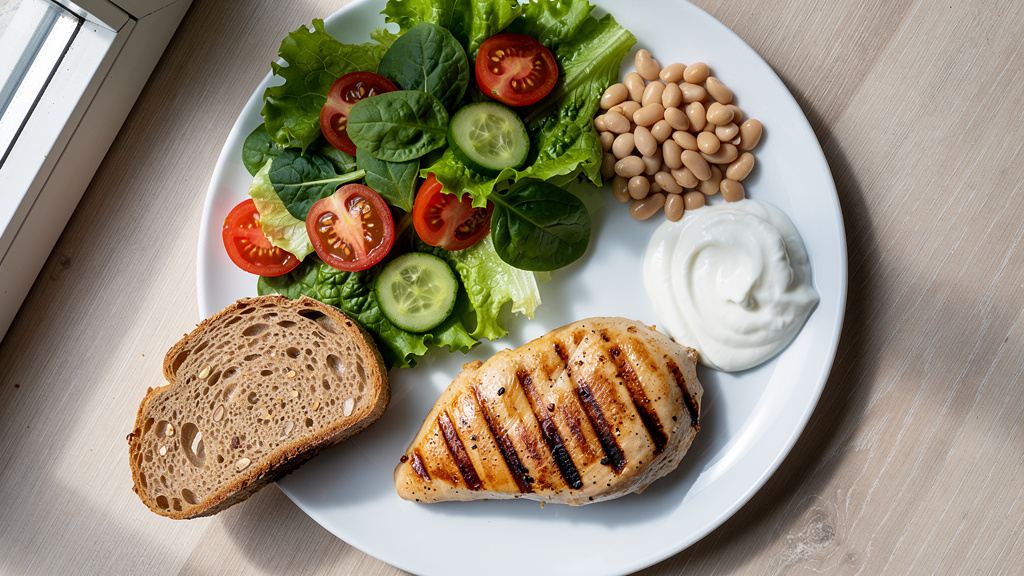
You do not need Balkan ancestry or access to every traditional ingredient to borrow the best ideas from the Balkan Diet. With a few small shifts, you can bring these principles into your own kitchen and daily routine, whether you live in Kolkata, another Indian city or abroad.
A simple place to start is with salads. Try to begin at least one main meal each day with a bowl of chopped tomatoes, cucumbers, peppers and onions, dressed with a drizzle of olive or cold‑pressed oil and a splash of lemon or vinegar. If you enjoy dairy, crumble a little feta or paneer on top. This small habit gives you a good dose of fibre and micronutrients before you even touch the main course.
Plain yoghurt can become a daily friend as well. You might eat it at breakfast with a spoon of soaked nuts and some fruit, or take it as a side with lunch and dinner. On hot days, you can turn it into a Balkan‑inspired tarator by mixing yoghurt with grated cucumber, garlic, dill and a pinch of salt. This style of eating matches closely with the fermented dairy focus that Nutridate with Priyanka already recommends for gut health.
Cooking methods make a big difference to calorie and fat intake. Whenever possible, grill, roast or bake your meats and vegetables instead of deep frying them. Marinating chicken, fish or paneer in oil, lemon, garlic and herbs, then grilling or roasting, gives you rich flavour with less oil soaking into the food. The same goes for vegetables; roasted peppers, aubergines and courgettes can feel as indulgent as many fried snacks.
Seasonal vegetables should guide your menu. In summer, focus on fresh salads, light vegetable stews and simple grills. In winter, enjoy more bean stews, roasted root vegetables and cabbage dishes. This keeps costs reasonable and gives your body the mix of nutrients it expects through the year. Fermented foods fit well into this plan, whether that means sauerkraut with soup or traditional Indian pickles and kanji alongside rice and dal.
Pastries and heavy desserts have their place, but they work best as rare pleasures. If you love börek‑style pies, you might make them once every couple of weeks and share them with friends or family, instead of eating them daily. This way, you still enjoy the taste while keeping your long‑term goals in view.
A helpful reminder at mealtimes is: “eat in a way you can happily repeat tomorrow, next month and next year.”
Perhaps the most gentle lesson from the Balkan Diet is the social side of eating. Try to sit down for meals without screens, chew slowly and talk to those around you. Paying attention to your food in this way improves digestion and helps you notice when you are comfortably full. If you would like help weaving all these ideas into your real‑life schedule and medical needs, Nutridate with Priyanka offers one‑to‑one consultations, both in Kolkata and online, so that these principles become a practical, long‑lasting part of your routine.
A Quick Recap
The Balkan Diet is more than a set of recipes. It is a long‑standing way of eating that grew from farms, markets and family kitchens across Southeast Europe. At its core are fresh vegetables, fermented dairy, grilled meats, beans, whole grains and honest herbs and spices, brought together in simple but satisfying meals. When you step back and look at the full pattern, it lines up closely with what modern nutrition science and real‑world experience both support.
So, is Balkan food actually healthy? When eaten in its traditional form and matched with your activity level, the answer is yes. This style of eating supports weight management through high‑fibre, high‑satiety meals, helps protect the heart with good fats and antioxidants, nurtures gut health through fermented foods and offers steady blood sugar thanks to complex carbohydrates. It also allows space for enjoyment, family time and celebration, which are important for mental and emotional health.
The approach at Nutridate with Priyanka follows the same principles within Indian food culture. It trusts time‑tested dishes, respects the power of fermented foods and focuses on steady, sustainable change rather than quick fixes. You do not need to copy Balkan recipes exactly to benefit from this wisdom. You can start small by adding a simple salad, a bowl of plain yoghurt or a grilled option in place of something fried.
As many dietitians like to remind their clients, “the best diet is the one you can enjoy and keep up for life.”
If you are ready to move beyond generic diet charts and want guidance that respects both tradition and science, consider booking a consultation with Nutridate with Priyanka. Whether you are working toward weight loss, better diabetes control, or just want to feel lighter and more energised, you can learn how to bring the best parts of the Balkan Diet and your own food culture together in a way that fits your life for the long term.
Curious About the Balkan Diet?
Wondering how the Balkan diet can impact your health? A certified dietitian can guide you through its food list, nutrition facts, and help you plan meals that suit your lifestyle.
Talk to Our Dietitian TodayThe Balkan Diet is a traditional way of eating from Southeast Europe, mainly in countries such as Serbia, Croatia, Bosnia and Herzegovina, Bulgaria, Romania, Albania, North Macedonia, Greece and parts of Turkey. People sometimes spell it as the balkin diet online. It combines Mediterranean freshness, Ottoman‑style grills and pastries, and Slavic comfort foods. The focus is on fresh, seasonal, whole foods cooked simply and shared with others, rather than strict rules.
Yes, the Balkan Diet can support weight loss when you eat it mindfully and keep portions in check. The pattern is naturally high in fibre from salads, vegetables and beans, and it includes plenty of lean protein from grilled meats, fish and fermented dairy. This mix keeps you full and reduces the urge to snack. Traditional cooking methods like grilling and baking use less added fat than deep frying, and rich pastries such as börek work best as rare treats rather than daily foods.
The main foods in the Balkan Diet include fresh vegetables like peppers, tomatoes, cucumbers and cabbage, along with fermented dairy such as plain yoghurt and white brined cheese. Grilled meats such as lamb, pork, beef and famous dishes like ćevapi play a role, as do legumes like beans and lentils and grains such as bread and cornmeal. Healthy fats from olive oil and walnuts appear often. Signature dishes such as ajvar, börek, sarma and tarator show how these ingredients come together in real meals.
The Balkan Diet shares many features with the Mediterranean Diet, especially in coastal areas where olive oil, fresh fish, vegetables and herbs are common. Inland, there is a stronger Ottoman influence with grilled minced meats, filo pastry pies and stuffed vegetables, as well as Slavic traditions such as smoked meats, hearty bean stews and fermented cabbage. Both patterns focus on whole foods and simple cooking, but the Balkan style uses more fermented dairy and grilled meats, while the Mediterranean style leans more on seafood and olive oil.
You can follow a Balkan Diet style of eating with diabetes or high blood pressure, but it needs some careful planning. The emphasis on complex carbohydrates, fibre and healthy fats supports steadier blood sugar levels and better satiety. However, you should be mindful of salt from brined cheeses and pickled vegetables if you are managing blood pressure. It is wise to work with a qualified nutritionist such as Nutridate with Priyanka, who can adjust portion sizes, salt levels and recipe choices so that this eating pattern fits safely with your medical needs and medicines.