Quick Healthy Breakfast Ideas to Boost Energy and Stay Full
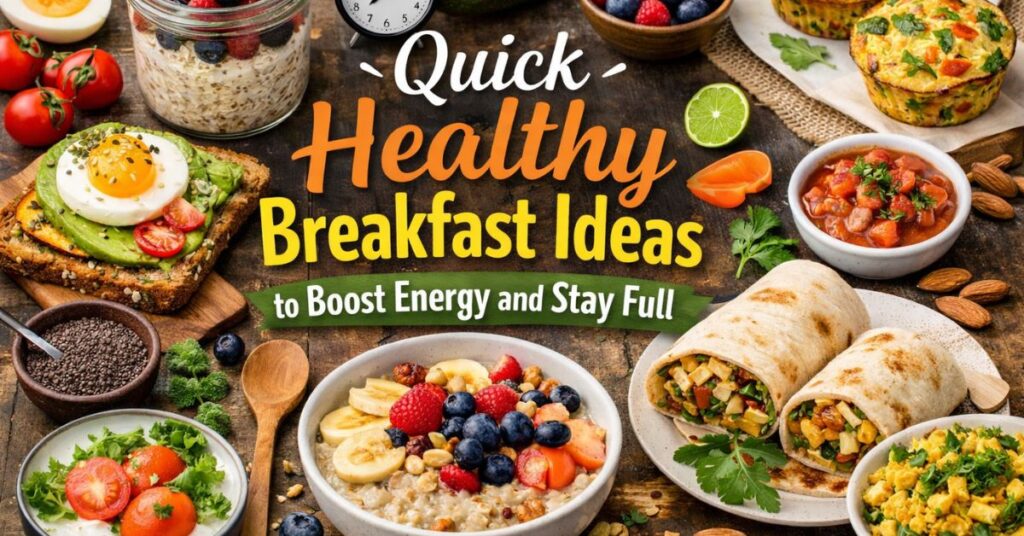
The alarm rings, messages start popping up, and somehow the clock runs faster than you do. In that rush, it is easy to skip breakfast or grab a sugary pastry with coffee. Most people searching for quick healthy breakfast ideas want better mornings, but feel they do not have the time or headspace to plan them.
As a nutritionist and founder of Nutridate with Priyanka, I see this pattern every single day. Breakfast influences hunger hormones, blood sugar, focus, mood, and even late-night cravings. A balanced first meal supports weight management, hormone health, and steadier energy instead of a mid-morning crash.
The barrier is rarely willpower. It is:
- Time pressure
- Confusion about what is actually healthy
- Boredom from repeating the same two or three meals
Many people think “healthy breakfast” means complicated recipes, expensive ingredients, and giving up cultural favorites. It does not.
My approach at Nutridate with Priyanka is based on food freedom and real life. I help clients build quick, realistic breakfasts that respect their culture, work timings, medical reports, and taste buds. No extreme rules—just smart structure, right portions, and simple prep.
In this guide, you will see fast, practical options whether your goal is fat loss, muscle gain, diabetes control, PCOS support, thyroid support, or just better energy. From eggs and oats to smoothies, Indian options, freezer-friendly recipes, and full breakfast meal prep ideas, you will discover how 5–15 minutes can change the rest of your day.
“A good breakfast fuels you up and gets you ready for the day.” — Ellie Krieger, RD
Key Takeaways
- Quick healthy breakfast ideas are realistic even on busy mornings when you plan a little ahead. Prepping oats, eggs, or smoothie packs once a week can cut morning work down to minutes.
- Protein and fiber at breakfast help steady blood sugar and keep you full, reducing cravings and random snacking.
- Make-ahead options like overnight oats, egg muffins, freezer burritos, and breakfast sandwiches save a lot of time and reheat in minutes.
- Balance beats strict rules. You can still enjoy pancakes, parathas, or dosas in smarter portions and combinations and move toward goals like fat loss or diabetes control.
- Personalized guidance from Nutridate with Priyanka matches breakfast choices with health conditions, medications, work shifts, and culture so mornings feel easier, not stressful.
Struggling to Plan a Healthy Breakfast?
Our registered dietitian can guide you with quick breakfast ideas that boost energy, keep you full, and fit your lifestyle. Start your mornings right!
Get Breakfast Tips From Our DietitianWhy Quick Healthy Breakfasts Matter For Your Well-Being
Breakfast is the first chance to refuel after hours of fasting. When your first meal includes protein, fiber, and healthy fats, blood sugar rises more gently, energy feels steadier, and focus improves, as shown in research on breakfast and learning: an updated review. When it is skipped or dominated by sugar and refined flour, blood sugar shoots up, then crashes, leaving you foggy and irritable.
For weight management, a balanced breakfast:
- Reduces mid-morning and late-night cravings
- Lowers the urge to snack on random foods
- Helps control overall calorie intake without strict restriction
For diabetes, insulin resistance, PCOS, or thyroid concerns, a smart breakfast acts like “kitchen medicine.” Pairing controlled portions of carbohydrates with protein and fat slows glucose entry into the blood and supports hormone balance and mood.
Effects of skipping breakfast, as documented in recent research, often backfire. Hunger hormones surge, and the brain starts scanning for quick energy—usually something sugary or starchy. Instead of a rigid rule, I see breakfast as a flexible pattern that fits your health, schedule, appetite, and culture.
At Nutridate with Priyanka, breakfast plans are built only after understanding your medical reports, work hours, sleep, and food preferences. That way, healthy mornings feel natural rather than like another chore.
Understanding the Components of a Balanced Quick Breakfast
Before you collect recipes, it helps to know what makes a breakfast balanced—research shows early breakfast could help you live longer and supports overall health outcomes. Most satisfying morning meals contain:
- Protein (about 15–25 g for most adults)
- Eggs, Greek yogurt, paneer, tofu, lentils, cottage cheese, or protein powder
- Complex carbohydrates
- Oats, quinoa, whole grain bread, fruit, millets, or dal-based dishes
- Healthy fats
- Nuts, seeds, avocado, nut butters, good-quality oils
Plus a “bonus layer” of micronutrients from fruits and vegetables.
Examples of balanced breakfasts:
- Greek yogurt with berries and nuts
- Oats cooked in milk, topped with peanut butter and banana
- Moong dal dosa with chutney and a side of vegetables
For fat loss, I usually guide clients toward slightly smaller carb portions and more vegetables. For muscle gain, the protein portion goes up. At Nutridate with Priyanka, I do not ban foods; I teach portion awareness and frequency so you can enjoy food freedom while still meeting your health goals.
High-Protein Egg-Based Breakfasts: Fast and Filling Options
Quick Stovetop Egg Preparations (Under 10 Minutes)
Eggs are one of the fastest, most flexible high-protein breakfast options.
Some quick ideas:
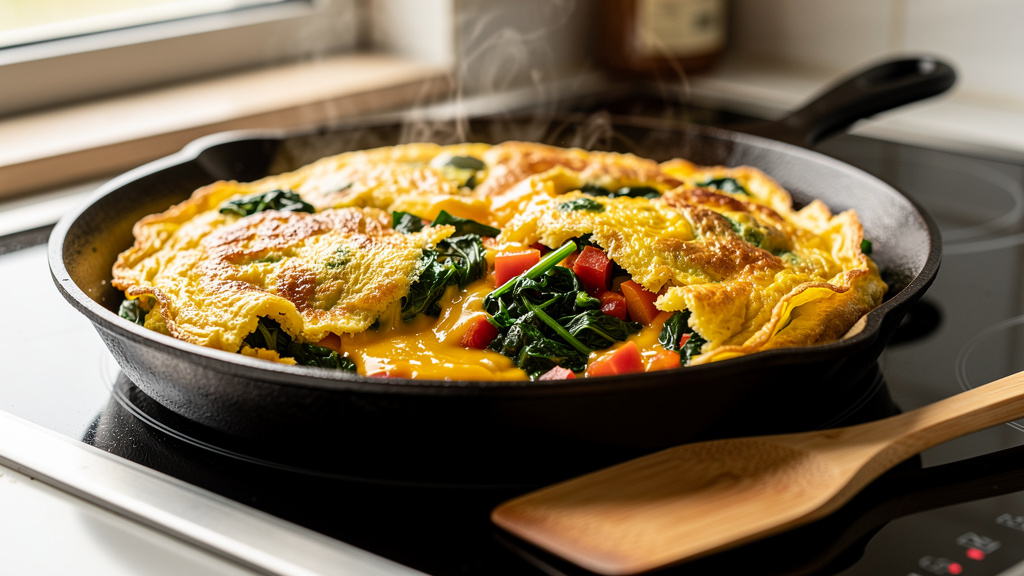
- Veggie scrambled eggs: Whisk eggs with salt, cook on low heat with onions, bell peppers, or spinach until soft and fluffy.
- Spinach omelet with feta: Pour beaten eggs into a warm pan, add baby spinach and a little feta, fold and cook until just set.
- Egg on avocado toast: Whole grain toast topped with mashed avocado and a fried or poached egg, plus tomato slices or fruit on the side.
Sprinkling turmeric, black pepper, or herbs adds both flavor and extra health benefits.
Make-Ahead Egg Muffins and Breakfast Casseroles
For very rushed mornings, egg muffins are life-savers:
- Beat eggs with chopped vegetables, herbs, and a little cheese.
- Pour into greased muffin tins and bake.
- Store in the fridge (3–4 days) or freezer (longer) and reheat in under a minute.
Variations like spinach-feta, mushroom-cheese, or bell pepper-black bean all work well. Crustless quiches and breakfast casseroles (eggs, vegetables, some bread or potatoes, and a bit of cheese) are handy for families who prefer one big dish to portion through the week.
I usually pair egg dishes with some whole grain or fruit, so breakfast is not only protein and fat but balanced and satisfying.
Fiber-Rich Oat Breakfasts: Versatile and Heart-Healthy
Overnight Oats: No-Cook Convenience
Oats are gentle on the stomach, rich in soluble fiber, and very easy to prep.
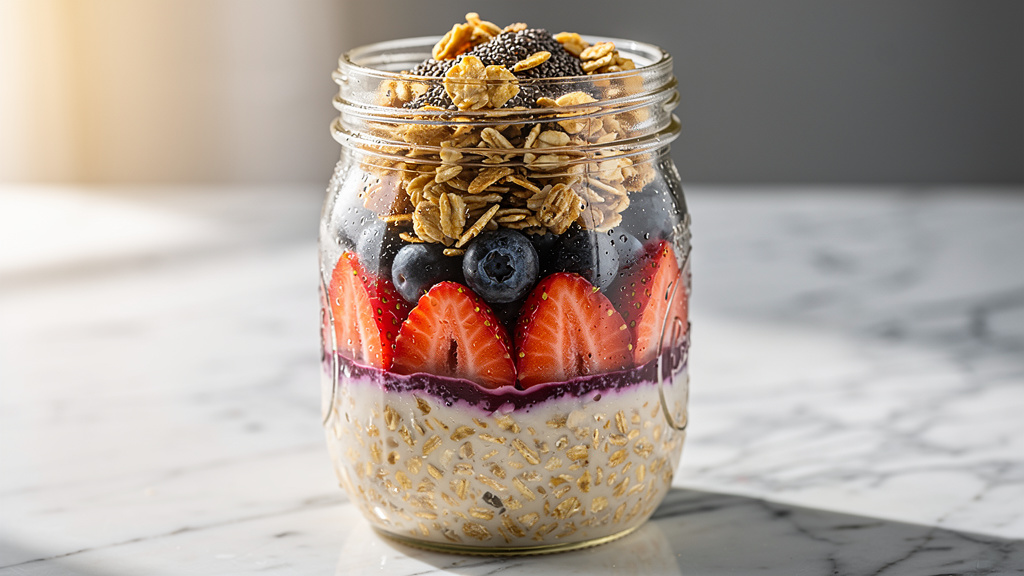
Basic formula for overnight oats:
- 1 part rolled oats
- 1.5–2 parts milk or yogurt
- Mix in a jar, cover, and refrigerate for at least 4 hours or overnight.
Flavor ideas:
- Cinnamon-banana with vanilla
- Berry-chia with Greek yogurt
- Cocoa-peanut butter with a little honey or date paste
You can also create a savory version by soaking oats in milk or light broth, then topping with a soft-boiled egg, avocado, and a little chili sauce.
Most overnight oats keep 3–4 days in the fridge, so preparing a few jars on Sunday can cover half your week.
Quick Stovetop and Baked Oatmeal Options
If you prefer warm oats:
- Cook rolled oats for about 10 minutes in milk or half milk–half water.
- Stir in Greek yogurt off the heat for more protein.
- Add fruit (banana, apple, berries) and nuts or seeds for healthy fats.
Baked oatmeal is another make-ahead star: mix oats, milk, egg, mashed banana, and spices; bake; then slice into squares. Blueberry or apple-cinnamon baked oatmeal reheats quickly and feels like a treat while still being fiber-rich and filling.
Struggling to Plan a Healthy Breakfast?
Our registered dietitian can guide you with quick breakfast ideas that boost energy, keep you full, and fit your lifestyle. Start your mornings right!
Get Breakfast Tips From Our DietitianNutrient-Packed Smoothies and Smoothie Bowls
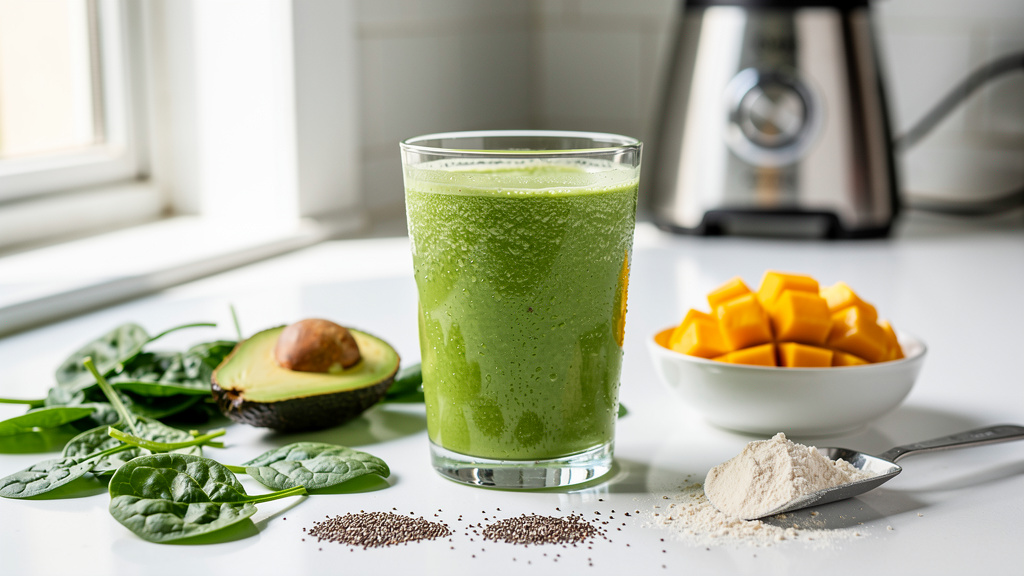
Building the Perfect Balanced Smoothie
Smoothies can be an amazing grab-and-go breakfast—or just a cup of sugar. The difference is in the structure:
- Liquid base: Milk, plant milk, coconut water, or cooled tea
- Protein: Whey or plant protein, Greek yogurt, paneer, tofu, or nut butter
- Produce: 1–2 portions of fruit and/or vegetables
- Healthy fats: Nuts, seeds, avocado, or nut butters
- Optional boosters: Matcha, cacao, chia, flax, or collagen
Use whole fruits like banana, mango, or soaked dates for sweetness instead of sugar. Frozen fruit creates a creamy texture without dilution.
Time-Saving Smoothie Prep Strategies
To make smoothies truly fast:
- Prepare freezer smoothie packs with pre-measured fruit, veggies, and seeds in small bags or containers.
- In the morning, empty one pack into the blender, add liquid and protein, and blend.
You can also blend smoothies the night before and keep them in a sealed bottle in the fridge. A thicker blend poured into a bowl, topped with granola, nuts, and fruit, becomes a smoothie bowl for days when you want more chew and crunch.
For diabetes, I reduce fruit portions and increase protein and fat to keep the glucose response steadier.
Wholesome Toast and Sandwich Options
Creative Toast Combinations for Maximum Nutrition
Toast can be basic or powerful, depending on what you put on it. Start with:
- Whole grain, sourdough, or sprouted grain bread
- A source of protein and healthy fat
Topping ideas:
- Avocado toast: Mashed avocado with lime and salt, plus a poached egg, tomatoes, or seeds.
- Cottage cheese toast: Sweet (with berries and honey) or savory (with tomatoes, cucumber, and herbs).
- Nut butter toast: Peanut or almond butter topped with banana and chia seeds, or apple slices and cinnamon.
- Hummus toast: With roasted vegetables, cucumber, sprouts, and a drizzle of olive oil.
For weight loss, one dense slice may be enough; for higher energy needs, two slices can fit.
Make-Ahead Breakfast Sandwiches
Homemade breakfast sandwiches feel like fast food but can be very balanced:
- Whole wheat English muffin or multigrain bun
- Cooked egg patty
- Slice of cheese
- Optional: turkey, paneer, spinach, or tomato
Batch-cook egg patties, assemble sandwiches, wrap tightly, and freeze. Reheat in the microwave (and toast briefly, if you like crisp edges) on busy mornings.
At Nutridate with Priyanka, I tweak fillings based on cholesterol, iron needs, and calorie goals, so sandwiches stay satisfying and aligned with health targets.
Portable Breakfast Burritos and Wraps
Breakfast burritos and wraps are perfect for eating on the go. A balanced wrap usually includes:
- Protein: Eggs, egg whites, paneer, or tofu
- Complex carbs: Beans, sweet potato, or brown rice
- Vegetables: Spinach, peppers, onions, or tomatoes
- Healthy fat: A little cheese, avocado, or yogurt-based sauce
Make a batch on a relaxed day, wrap each burrito tightly in foil, and freeze. In the morning, reheat in the microwave (and crisp in a pan if desired). For a lighter option, use lettuce leaves instead of tortillas.
This flexible structure fits nicely with the Nutridate with Priyanka philosophy: adjust fillings to match your goals, not someone else’s template.
Wholesome Baked Goods: Muffins and Quick Breads
Healthy Muffin Recipes for Busy Mornings
Muffins can be more than cake in disguise. Look for or create recipes that use:
- Whole grain flour or oats
- Moderate sweetener (banana, dates, or a little sugar/jaggery)
- Protein sources like Greek yogurt, eggs, or nut butter
- Added fruit or vegetables
Examples:
- Banana protein muffins (banana + oats + yogurt + peanut butter)
- Flourless blender muffins (oats, eggs, banana, and cocoa or berries)
- Carrot or zucchini muffins with ground flax and whole wheat flour
Bake, cool, and store some in the fridge and some in the freezer. Pair 1–2 muffins with yogurt, milk, or a boiled egg and fruit for a complete breakfast.
Wholesome Quick Breads
Quick breads like banana, zucchini, or pumpkin bread are helpful when sliced and frozen:
- Use part whole wheat flour, chopped nuts, and moderate sweetener.
- After baking, slice the loaf and separate slices with parchment before freezing.
- Toast or microwave a slice in the morning and serve with nut butter, yogurt, or cottage cheese plus fruit.
For diabetes, I pay close attention to slice size and always pair quick breads with protein and fiber to keep blood sugar steadier.
Quick Breakfast Bowl Ideas: Savory and Sweet
Savory Breakfast Bowls for Sustained Energy
Savory bowls are ideal if you prefer less sweetness early in the day. They are also great for using leftovers.
Base ideas:
- Brown rice, quinoa, or millets
- Roasted or sautéed vegetables
- Beans or lentils
- Egg, paneer, or tofu
- Light sauce (yogurt-tahini, pesto, or herb dressing)
Examples:
- Brown rice with black beans, roasted broccoli, beetroot, and a soft-boiled egg
- Quinoa with roasted vegetables, hummus, olives, and a sprinkle of feta
Batch-cooked grains and pre-roasted vegetables make these bowls very fast on weekday mornings.
Sweet and Satisfying Breakfast Bowls
For a sweet start that still supports health:
- Chia pudding: Chia seeds soaked overnight in milk, topped with fruit, nuts, and nut butter.
- Quinoa breakfast bowl: Warm quinoa with almond milk, cinnamon, fruit, and nuts.
- Yogurt bowl: Plain Greek yogurt topped with seasonal fruit, nuts, and seeds.
For blood sugar concerns, keep fruit moderate and emphasize yogurt, nuts, and seeds for extra protein and fat.
Homemade Breakfast Bars, Cookies, and Energy Bites
If you often end up eating in the car or at your desk, portable options are essential. Instead of relying on sugary store-bought snacks, try homemade:
- No-bake energy balls: Oats, nut butter, dates or honey, seeds, and a few dark chocolate chips, rolled into balls and chilled.
- Breakfast cookies: Soft, oat-based cookies with nuts, seeds, and sometimes grated carrot, pumpkin, or zucchini.
- Granola bars: Oats, nuts, seeds, and a sticky binder like nut butter and honey, pressed into a tray and baked.
Freeze in portions so they stay fresh for weeks. One or two pieces, plus fruit and milk or yogurt, can become a balanced, portable breakfast. In Nutridate with Priyanka plans, these often serve as backup options for overloaded days.
Pancakes and Waffles: Weekend Batch-Cooking for Weekday Ease
Pancakes and waffles can fit into quick healthy breakfast ideas when you:
- Improve the batter
- Batch-cook and freeze
Better batter choices:
- Whole wheat or oat-based pancakes
- Banana-oat-egg pancakes for fewer ingredients and more protein
- Almond flour or protein pancakes for higher protein or lower carbs
- Pumpkin or berry pancakes for extra micronutrients
Make a large batch on a weekend, cool completely, stack with parchment, and freeze. Reheat in a toaster or pan. Top with fruit, Greek yogurt, nut butter, and a little pure maple syrup instead of drowning them in syrup.
Add eggs, yogurt, or cottage cheese and fruit on the side to keep the plate balanced, not just carbohydrate-heavy.
Indian Breakfast Options: Quick, Healthy, and Culturally Relevant
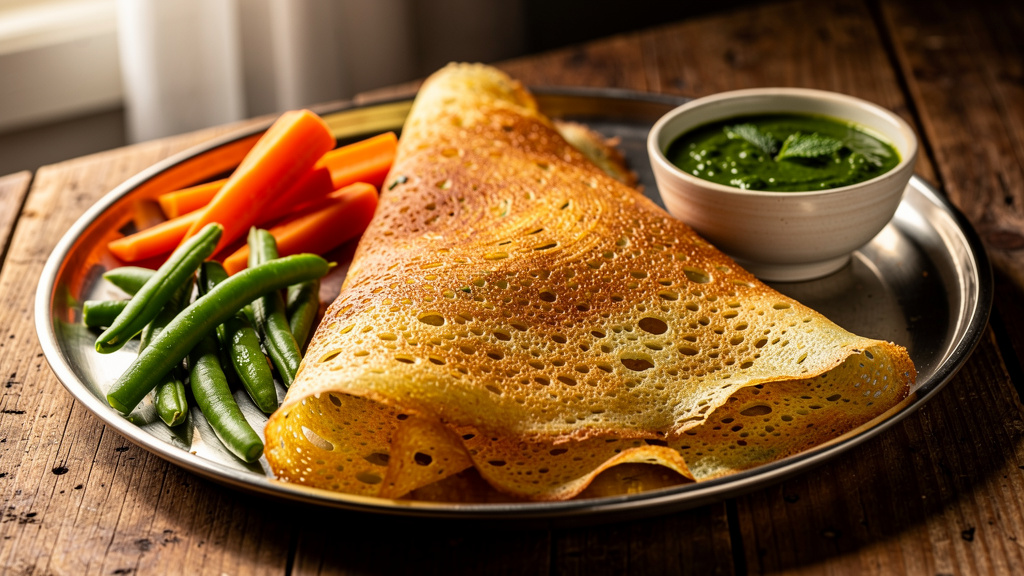
For many of my clients in Kolkata, across India, or abroad, comfort comes from Indian flavors. The best quick breakfasts respect that.
Some Indian breakfast ideas I often use at Nutridate with Priyanka:
- Moong dal dosa: Soaked moong dal blended with spices; batter can be stored in the fridge for a couple of days.
- Poha: Flattened rice with onions, peas, carrots, curry leaves, peanuts, and lemon. For diabetes or weight loss, I add extra vegetables and protein on the side (curd or boiled egg).
- Oats upma: Oats cooked with vegetables, mustard seeds, and a few cashews.
- Besan chilla: Gram flour pancakes stuffed with grated vegetables and herbs.
- Idli with sambhar: Fermented rice-lentil batter with a vegetable-rich sambhar. Batter can be prepped or frozen in portions.
- Dhokla: Steamed gram flour or fermented batter, light yet protein-rich.
- Roasted makhana: Fox nuts roasted in ghee with spices, good as a light breakfast or mid-morning snack.
For diabetes, PCOS, high cholesterol, and thyroid issues, I fine-tune oil, fiber, and portion sizes and plan the rest of the day so these dishes fit smoothly into a high-fiber, low-glycemic pattern.
Struggling to Plan a Healthy Breakfast?
Our registered dietitian can guide you with quick breakfast ideas that boost energy, keep you full, and fit your lifestyle. Start your mornings right!
Get Breakfast Tips From Our DietitianBreakfast Meal Prep: Strategies for the Busy Week
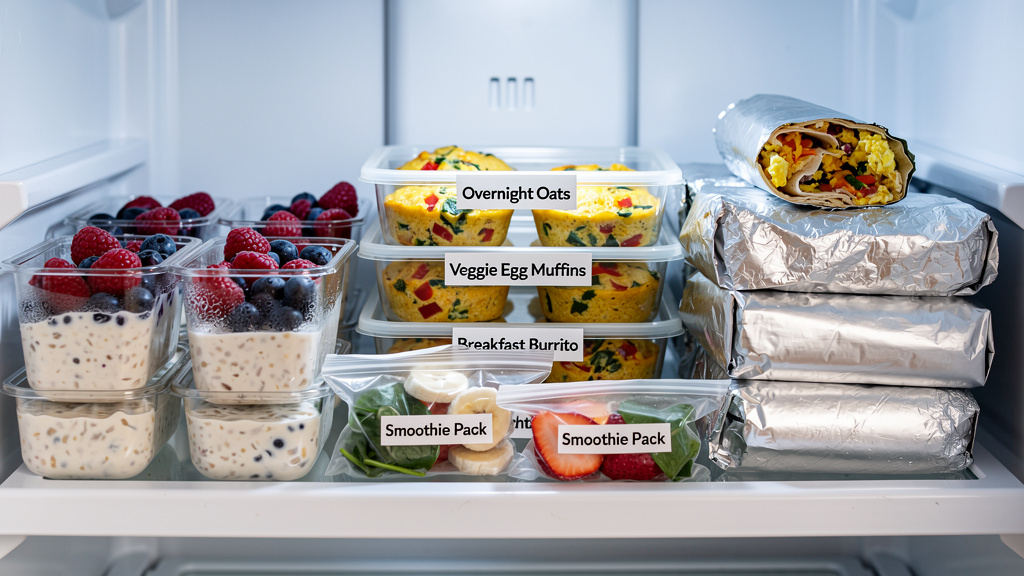
“If you fail to plan, you are planning to fail.” — commonly attributed to Benjamin Franklin
Breakfast meal prep removes morning stress and reduces dependence on takeaways. I usually ask clients to choose 2–3 breakfast types per week (for example, overnight oats, egg muffins, and smoothie packs) and prepare them in a single 60–90 minute session.
Smart prep items:
- Hard-boiled eggs
- Cooked grains (quinoa, brown rice, millets)
- Roasted vegetables
- Washed, cut fruit
- Overnight oats and chia puddings
- Burrito fillings and sandwich components
- Freezer smoothie packs
Keep a labeled “breakfast zone” in your fridge and freezer so everything is easy to see. A basic shopping list often includes oats, eggs, Greek yogurt, fresh and frozen fruit, vegetables, nut butters, seeds, whole grain bread, tortillas, and Indian staples like dal and poha.
At Nutridate with Priyanka, I align prep plans with each client’s schedule, kitchen setup, and family size so meal prep feels manageable, not overwhelming.
Common Breakfast Mistakes and How to Avoid Them
Some habits quietly slow progress, even if your intentions are good:
- Skipping breakfast entirely and then overeating later
- Relying on refined carbs (white bread, sugary cereal, pastries)
- Drinking many calories through sweet coffee drinks or large juices
- Choosing “healthy” products loaded with hidden sugar
- Eating very low-protein breakfasts (only biscuits, bread, or fruit)
- Ignoring vegetables at breakfast
- Oversized portions of even healthy foods (huge smoothie bowls, several slices of bread, or generous nut butter)
If you are not hungry early, start with something light like yogurt, a small smoothie, or a boiled egg and fruit, and build from there. Aim for 15–25 g of protein plus fiber from whole grains, fruit, or vegetables. Perfect is not required—consistent, better choices most days matter far more.
Customizing Breakfast for Specific Health Goals
Breakfasts for Weight Management and Fat Loss
For fat loss, breakfast should keep you full while fitting into your calorie needs. Good options:
- Egg white or whole-egg omelets packed with vegetables
- High-fiber oats cooked with milk and a scoop of protein powder
- Greek yogurt with berries, nuts, and seeds
- Protein smoothies with measured fruit portions
I use volumetric eating—more volume from vegetables and fruit, modest amounts of calorie-dense foods—to help clients feel satisfied without excess calories. At Nutridate with Priyanka, we set realistic calorie and macro targets and then plug breakfast ideas into that framework.
Diabetes-Friendly Breakfast Strategies
For diabetes or strong insulin resistance, breakfast should focus on:
- Low or moderate glycemic carbohydrates
- Consistent portions of carbs
- Adequate protein and fat with every meal
Examples:
- Steel-cut or rolled oats with nuts and seeds
- Vegetable omelet with a small slice of whole grain toast
- Greek yogurt with berries and nuts
- Moong dal dosa, besan chilla, or poha with extra vegetables and a protein side
I encourage regular blood sugar checks so clients can see how different breakfasts affect their readings and adjust with clarity.
PCOS and Hormone-Balancing Breakfasts
For PCOS, breakfast aims to:
- Support insulin sensitivity
- Reduce inflammation
- Stabilize hormones and mood
Helpful breakfasts include:
- Eggs with vegetables and a small portion of whole grains
- Greek yogurt bowls with berries, nuts, and seeds
- High-fiber oats with protein powder, chia, and a little fruit
Anti-inflammatory foods such as nuts, seeds, berries, and turmeric-rich dishes support overall patterns. Through Nutridate with Priyanka, I design PCOS-friendly breakfast plans that align with real-life schedules and cravings.
A Quick Recap
Quick healthy breakfast ideas do not have to be fancy, expensive, or time-consuming. With a bit of structure and some weekend prep, it becomes very realistic to eat in a way that supports energy, focus, and long-term health—even on hectic mornings.
When protein, complex carbs, and healthy fats come together in sensible portions, the body feels calmer and cravings fade. Breakfast then turns from a rushed afterthought into a quiet investment in better work performance, mood, and health markers.
My food freedom philosophy at Nutridate with Priyanka means there is no “perfect” breakfast, just choices that fit better or worse with your goals and your life. You can still enjoy dosas, pancakes, or toast and move toward targets like weight loss, diabetes control, or PCOS support by adjusting portions, frequency, and combinations.
If planning all of this feels heavy to do alone, professional support helps. I build customized meal patterns based on medical history, work shifts, travel, sleep, and food culture, with ongoing guidance and follow-up so you never feel stuck.
Start small: pick one new idea from this guide and try it this week. With steady practice, those early-morning choices can quietly reshape how the rest of each day feels.
Struggling to Plan a Healthy Breakfast?
Our registered dietitian can guide you with quick breakfast ideas that boost energy, keep you full, and fit your lifestyle. Start your mornings right!
Get Breakfast Tips From Our DietitianSome of the healthiest quick options combine protein, fiber, and healthy fats in under 10 minutes, such as:
Greek yogurt with berries and nuts
Overnight oats prepared the night before
Scrambled eggs with vegetables on whole grain toast
A carefully built smoothie with protein, greens, fruit, and seeds
Make-ahead egg muffins paired with fruit
Five minutes is enough when prep happens earlier. Rely on:
Overnight oats or chia puddings
Smoothie freezer packs ready to blend
Egg muffins to reheat
Nut butter on whole grain toast with banana slices
Yogurt parfaits with fruit and seeds
Keeping boiled eggs, cut fruit, and homemade bars in the fridge makes it easy to assemble a balanced plate quickly.
For fat loss, focus on high-protein, high-fiber breakfasts that keep you full:
Eggs with vegetables
Greek yogurt with berries and nuts
Protein smoothies with measured fruit
Oats with protein powder, seeds, and a little fruit
Avoid very sugary or refined carb-heavy breakfasts that spike blood sugar and trigger cravings. Portion size still matters, even with healthy foods, so at Nutridate with Priyanka I set individualized targets for each client.
Yes, overnight oats can be very healthy when built with balance:
Oats provide soluble fiber for heart and gut health.
Milk, yogurt, or protein powder add protein.
Nuts and seeds contribute healthy fats.
Fruit brings natural sweetness and micronutrients.
For most adults, about ½ cup dry oats per serving is a sensible portion, especially for weight or blood sugar goals.
For diabetes, choose breakfasts that keep blood sugar steady:
Steel-cut or rolled oats with nuts and seeds
Vegetable omelet with a small slice of whole grain toast
Greek yogurt with berries and nuts
Moong dal dosa with chutney
Poha or upma cooked with plenty of vegetables and some peanuts or a protein side
At Nutridate with Priyanka, I design Indian breakfast patterns built around low-glycemic, high-fiber ingredients that work with medication timing.