Digestive Health Nutrition: A Complete Guide to Gut Wellness
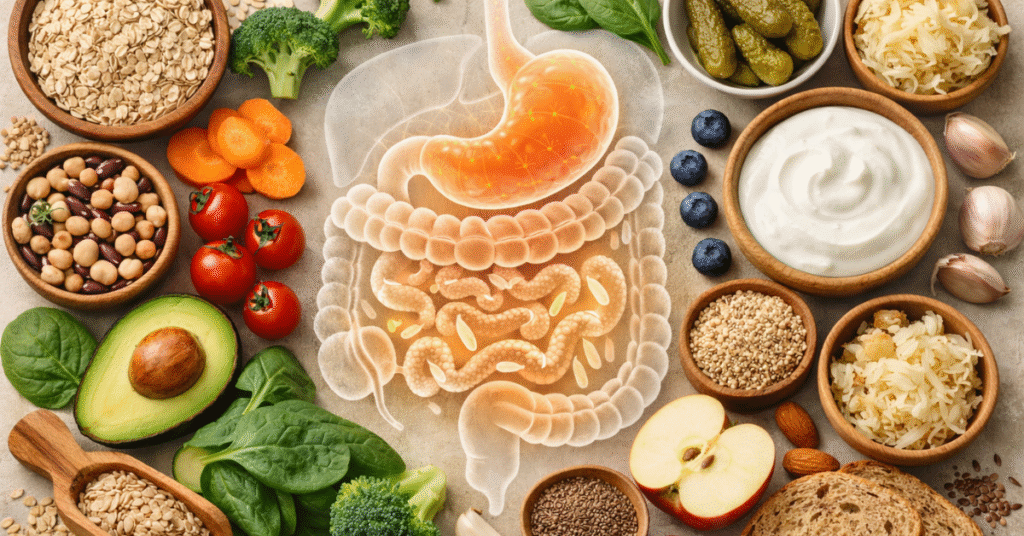
Digestive Health Nutrition plays a crucial role in how the body feels, functions, and heals every single day. A well-functioning digestive system is not only responsible for breaking down food but also for absorbing nutrients, supporting immunity, regulating hormones, and maintaining energy levels. When digestion is strong, the body works efficiently. When it is weak, discomfort and health issues often follow.
Modern lifestyles, irregular eating habits, stress, and highly processed foods have led to a rise in digestive complaints such as bloating, acidity, constipation, gas, and irregular bowel movements. These problems are often signs that the gut needs better nutritional support rather than quick fixes. This comprehensive guide explains how the right dietary choices and daily habits can strengthen digestion naturally and sustainably.
Struggling With Digestive Issues or Poor Gut Health?
Bloating, acidity, constipation, IBS symptoms, food intolerance, or low energy are often signs of an unhealthy gut. Our Digestive Health Nutrition program focuses on restoring gut balance, improving digestion, and supporting long-term wellness through personalized nutrition and lifestyle guidance.
Start Your Gut Health Nutrition Program TodayUnderstanding Digestive Health and Why It Matters
Digestive health refers to how efficiently the gastrointestinal system breaks down food, absorbs nutrients, and eliminates waste. The digestive tract includes the mouth, stomach, intestines, liver, pancreas, and supporting organs, all working together to fuel the body.
When digestion works properly, nutrients such as vitamins, minerals, proteins, fats, and carbohydrates are absorbed and used effectively. When digestion is impaired, the body may struggle with fatigue, nutrient deficiencies, low immunity, skin problems, and even mood disturbances.
Nutrition for digestive wellness focuses on supporting each stage of digestion, from chewing and enzyme release to gut movement and microbial balance.
The Connection Between Gut Health and Overall Well-Being
The gut is often referred to as the second brain because of its close connection to the nervous system. The gut-brain axis links digestion with emotions, stress response, and mental clarity. This means digestive imbalance can affect mood, focus, and stress levels.
A large portion of the immune system also resides in the gut. A healthy digestive system helps the body fight infections, reduce inflammation, and maintain internal balance. Poor gut health, on the other hand, may increase susceptibility to illness and chronic conditions.
Digestive Health Nutrition supports this interconnected system by nourishing the gut environment rather than just treating symptoms.
The Gut Microbiome and Nutrition
Inside the digestive tract live trillions of microorganisms known as the gut microbiome. These bacteria help digest fiber, produce certain vitamins, protect against harmful pathogens, and regulate inflammation.
Diet is the strongest influence on gut bacteria. Diets rich in plant-based foods, natural fiber, and fermented items promote beneficial microbes. Diets high in refined sugar, excess fat, and ultra-processed foods may disrupt microbial balance.
Supporting the gut microbiome through balanced nutrition helps improve digestion, immunity, and metabolic health over time.
Struggling With Digestive Issues or Poor Gut Health?
Bloating, acidity, constipation, IBS symptoms, food intolerance, or low energy are often signs of an unhealthy gut. Our Digestive Health Nutrition program focuses on restoring gut balance, improving digestion, and supporting long-term wellness through personalized nutrition and lifestyle guidance.
Start Your Gut Health Nutrition Program TodayEssential Nutrients for a Healthy Digestive System
A strong digestive system relies on a variety of nutrients working together.
Fiber is one of the most important components of gut health. It improves bowel regularity, supports beneficial bacteria, and helps prevent constipation. Fruits, vegetables, legumes, whole grains, nuts, and seeds provide natural fiber that supports digestion gently.
Protein is required for enzyme production and repair of the intestinal lining. Without enough protein, digestion may weaken over time. Easily digestible protein sources help maintain gut integrity and nutrient absorption.
Healthy fats support digestion by aiding the absorption of fat-soluble vitamins and keeping the digestive tract lubricated. Balanced intake of natural fats supports satiety and gut comfort.
Micronutrients such as magnesium, zinc, and B vitamins play a role in gut movement, enzyme activity, and nerve signaling within the digestive system. A varied diet helps ensure adequate intake.
Fiber and Its Role in Digestive Wellness
Fiber works in two main ways. Soluble fiber absorbs water and forms a gel-like substance that slows digestion and feeds beneficial bacteria. Insoluble fiber adds bulk to stool and supports regular bowel movement.
A mix of both types of fiber supports smooth digestion. Whole fruits instead of juices, mixed vegetables, whole grains, and legumes provide diverse fiber types that nourish different gut bacteria.
Fiber intake should be increased gradually. Sudden high intake without enough fluids may cause bloating or discomfort, which is why balance and consistency matter.
Probiotics and Prebiotics for Gut Balance
Probiotics are beneficial bacteria that help maintain gut balance, while prebiotics are fibers that feed these bacteria.
Fermented foods such as curd, yogurt, buttermilk, and traditionally fermented vegetables support microbial diversity when consumed regularly. These foods may improve digestion, reduce bloating, and support immune health.
Prebiotic foods such as banana, oats, garlic, onion, and legumes nourish beneficial bacteria and strengthen the gut ecosystem. Individual tolerance varies, so food choices should always be personalized.
Hydration and Digestive Function
Water plays an essential role in digestion. It supports enzyme activity, softens stool, and allows fiber to function effectively. Inadequate hydration is a common cause of constipation and digestive discomfort.
Drinking water consistently throughout the day supports smoother digestion. Warm water in the morning may help stimulate bowel movement and improve gut motility.
Sugary drinks, excessive caffeine, and carbonated beverages may irritate the digestive tract and should be limited for long-term gut health.
Eating Habits That Support Digestion
How food is eaten affects digestion just as much as food quality. Chewing food thoroughly begins digestion in the mouth and reduces stress on the stomach and intestines.
Eating slowly helps prevent air swallowing, which is a common cause of bloating and gas. Regular meal timing supports digestive rhythm and enzyme release.
Large meals can overload digestion, leading to heaviness and discomfort. Balanced portions help maintain digestive comfort and steady energy levels.
Mindful eating encourages awareness of hunger and fullness cues, supporting both digestion and metabolic health.
Lifestyle Factors That Influence Digestive Health
Nutrition works best when combined with supportive lifestyle habits. Physical activity stimulates intestinal movement and reduces the risk of constipation. Even moderate daily movement improves gut function.
Stress has a powerful effect on digestion. Chronic stress can slow digestion, disrupt gut bacteria, and increase inflammation. Relaxation techniques such as deep breathing, gentle exercise, or meditation complement digestive care through nutrition.
Sleep is another critical factor. Poor sleep disrupts gut hormones and microbial balance, increasing digestive issues. Consistent sleep routines support gut repair and overall health.
Common Digestive Issues and Nutritional Support
Digestive wellness strategies can help manage common digestive concerns. Constipation often improves with increased fiber, hydration, and physical activity. Bloating may reduce with mindful eating and identifying trigger foods.
Acidity and heartburn are frequently linked to irregular meals, overeating, stress, and high-fat foods. Balanced meals and proper meal timing support digestive comfort.
Digestive sensitivity varies from person to person. Nutrition for gut health should always be personalized rather than rigid.
When to Seek Professional Support
While diet and lifestyle changes support digestion, ongoing symptoms should not be ignored. Chronic abdominal pain, frequent acidity, unexplained weight loss, or long-term bowel irregularities require professional evaluation.
Personalized nutrition guidance can help identify sensitivities, optimize nutrient intake, and design a gut-friendly eating plan suited to individual needs.
Long-Term Benefits of Digestive Health Nutrition
Digestive Health Nutrition is not a short-term solution but a lifelong investment in well-being. A healthy digestive system supports immunity, energy, hormonal balance, and mental clarity.
By focusing on whole foods, fiber diversity, hydration, mindful eating, and balanced lifestyle habits, digestion can improve naturally and sustainably. Consistency matters more than perfection.
When the gut is nourished properly, the entire body benefits. Strong digestion forms the foundation for long-term health, vitality, and resilience.
Struggling With Digestive Issues or Poor Gut Health?
Bloating, acidity, constipation, IBS symptoms, food intolerance, or low energy are often signs of an unhealthy gut. Our Digestive Health Nutrition program focuses on restoring gut balance, improving digestion, and supporting long-term wellness through personalized nutrition and lifestyle guidance.
Start Your Gut Health Nutrition Program TodayFrequently Asked Questions
Digestive Health Nutrition focuses on eating the right foods and following healthy eating habits that support proper digestion, nutrient absorption, and gut balance. It aims to keep the digestive system functioning smoothly while reducing issues such as bloating, constipation, acidity, and poor nutrient uptake.
Digestive Health Nutrition is important because digestion affects immunity, energy levels, hormone balance, and mental well being. A healthy digestive system ensures that the body absorbs essential nutrients efficiently and eliminates waste properly, supporting long term wellness.
Foods that support Digestive Health Nutrition include fiber rich vegetables, fruits, whole grains, legumes, nuts, seeds, fermented foods like curd and yogurt, and adequate fluids. These foods help maintain gut movement, support beneficial gut bacteria, and improve digestion naturally.
Fiber plays a key role in Digestive Health Nutrition by supporting regular bowel movements, preventing constipation, and feeding beneficial gut bacteria. A balanced intake of soluble and insoluble fiber helps maintain gut comfort and microbial diversity.
Probiotics are beneficial for many people because they help balance gut bacteria and support digestion. Including natural probiotic foods such as yogurt, buttermilk, and fermented vegetables can enhance Digestive Health Nutrition when consumed regularly.