Diet Tips to Control HbA1c Levels for Better Blood Sugar Control
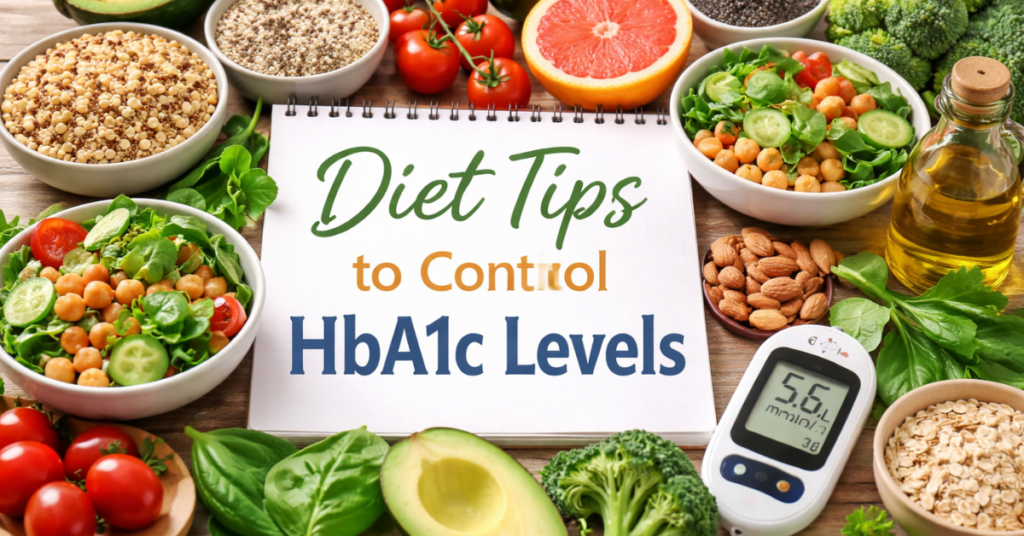
Diet tips to control HbA1c levels are one of the most searched topics by people living with diabetes, prediabetes, and insulin resistance. HbA1c is not just a number on a lab report. It reflects how your body has been handling blood sugar over the past two to three months and plays a major role in predicting long-term health outcomes.
Many people focus only on cutting sugar, but HbA1c control requires a much deeper understanding of how food choices affect glucose metabolism every single day. The right diet can reduce blood sugar spikes, improve insulin sensitivity, and gradually bring HbA1c into a healthier range without extreme restrictions.
This in-depth guide explains the most effective diet tips to control HbA1c levels naturally, based on nutrition science, real-life practicality, and sustainable habits that actually work.
Understanding HbA1c and Its Connection With Diet
HbA1c, also known as glycated hemoglobin, measures the percentage of glucose attached to hemoglobin in red blood cells. Since red blood cells survive for about 120 days, HbA1c gives an average picture of blood sugar control over time rather than daily ups and downs.
When blood sugar stays high repeatedly, more glucose binds to hemoglobin, leading to a higher HbA1c. Diet is the strongest daily factor influencing this process because food determines how much glucose enters the bloodstream and how long it stays elevated.
Diet tips to control HbA1c levels focus on preventing repeated glucose spikes and maintaining steady blood sugar throughout the day.
Struggling to Control Your HbA1c Levels?
High HbA1c levels indicate long-term blood sugar imbalance. The right dietary choices, meal timing, and lifestyle habits can make a significant difference. Our personalised diabetes nutrition guidance helps you manage HbA1c levels effectively and support better long-term blood sugar control.
Get Personalised HbA1c Control Diet PlanWhy Diet Tips to Control HbA1c Levels Are More Important Than Short-Term Dieting
Crash diets and extreme food restrictions may temporarily reduce blood sugar, but they rarely lead to sustained HbA1c improvement. HbA1c reflects long-term habits, not short-term efforts.
Consistent dietary patterns that support stable glucose levels are far more effective than occasional fasting or detox plans. Sustainable diet tips to control HbA1c levels focus on everyday meals, portion sizes, food quality, and timing rather than drastic measures.
Choose Low Glycemic Index Foods for Better HbA1c Control
One of the most important diet tips to control HbA1c levels is prioritizing low glycemic index foods. The glycemic index indicates how quickly a food raises blood sugar after consumption.
Low glycemic foods digest slowly and release glucose gradually into the bloodstream. This prevents sudden spikes that contribute to higher average blood sugar and elevated HbA1c.
Whole grains like oats, barley, brown rice, and millets provide sustained energy without sharp glucose rises. Non-starchy vegetables such as spinach, cabbage, cauliflower, bottle gourd, and broccoli have minimal impact on blood sugar. Fruits like apples, berries, guava, and pears are better choices when eaten whole and in moderation.
Replacing refined carbohydrates with low glycemic foods is one of the most effective long-term strategies to reduce HbA1c.
Control the Quantity of Carbohydrates, Not Just the Type
Carbohydrates directly influence blood sugar levels, but complete elimination is neither necessary nor sustainable. One of the most overlooked diet tips to control HbA1c levels is managing carbohydrate quantity.
Even healthy carbohydrates can raise blood sugar if portion sizes are too large. Eating balanced portions and spreading carbohydrate intake evenly throughout the day prevents glucose overload and improves insulin response.
Individual carbohydrate tolerance varies based on age, activity level, body composition, and medication use. Learning how much carbohydrate your body can handle comfortably is key to maintaining stable HbA1c levels.
Combine Carbohydrates With Protein and Healthy Fats
Meals that contain only carbohydrates digest quickly and cause rapid blood sugar rises. Combining carbohydrates with protein and healthy fats slows digestion and reduces post-meal glucose spikes.
Protein sources such as lentils, beans, paneer, tofu, eggs, fish, and lean meats help stabilize blood sugar and increase satiety. Healthy fats from nuts, seeds, olive oil, mustard oil, coconut, and avocados further slow glucose absorption.
Balanced meals are a foundational diet tip to control HbA1c levels because they reduce glycemic load and support consistent glucose control.
Increase Fiber Intake to Improve Long-Term Blood Sugar Control
Dietary fiber plays a powerful role in controlling HbA1c levels. Soluble fiber slows carbohydrate digestion and reduces glucose absorption in the intestines. Insoluble fiber improves gut health, which indirectly supports insulin sensitivity.
Vegetables, legumes, whole grains, seeds, nuts, and fruits with edible skin are excellent fiber sources. Including fiber-rich foods at every meal improves blood sugar stability and reduces hunger.
Higher fiber intake is consistently associated with lower HbA1c levels and improved metabolic health.
Struggling to Control Your HbA1c Levels?
High HbA1c levels indicate long-term blood sugar imbalance. The right dietary choices, meal timing, and lifestyle habits can make a significant difference. Our personalised diabetes nutrition guidance helps you manage HbA1c levels effectively and support better long-term blood sugar control.
Get Personalised HbA1c Control Diet PlanEat Whole Foods and Reduce Ultra-Processed Foods
Ultra-processed foods are often high in refined carbohydrates, unhealthy fats, sodium, and added sugars. These foods disrupt glucose control and increase insulin resistance.
Whole foods provide nutrients in their natural form and support better blood sugar regulation. Fresh vegetables, whole fruits, legumes, whole grains, nuts, seeds, and minimally processed proteins should form the base of the diet.
One of the most practical diet tips to control HbA1c levels is simply reducing reliance on packaged and processed foods.
Practice Portion Control to Prevent Blood Sugar Spikes
Portion size has a direct impact on blood sugar levels. Even healthy foods can cause glucose spikes if eaten in excess.
Mindful eating, using smaller plates, eating slowly, and stopping when comfortably full help control portions naturally. Consistent portion control reduces overall calorie intake, supports weight management, and improves insulin sensitivity.
Weight loss, even modest amounts, can significantly lower HbA1c levels in people with insulin resistance or type 2 diabetes.
Maintain Regular Meal Timing for Stable Glucose Levels
Irregular eating patterns can lead to unstable blood sugar control. Skipping meals often results in overeating later, causing large glucose spikes.
Eating meals at regular intervals helps regulate insulin release and improves glucose utilization. Structured meal timing is a simple yet effective diet tip to control HbA1c levels.
Consistency matters more than perfection when it comes to meal timing.
Reduce Added Sugars Without Extreme Restrictions
Added sugars contribute directly to higher blood sugar and elevated HbA1c levels. Sugary beverages, sweets, desserts, flavored yogurts, breakfast cereals, and packaged snacks are common sources of hidden sugar.
Reducing added sugar does not mean eliminating all sweetness. Whole fruits, natural spices like cinnamon, and minimally sweetened foods can satisfy cravings without destabilizing blood sugar.
Gradual reduction in sugar intake leads to better adherence and long-term HbA1c improvement.
Avoid Liquid Calories That Spike Blood Sugar
Liquid calories raise blood sugar quickly because they bypass digestion. Sugary drinks such as sodas, packaged juices, sweetened teas, coffee drinks, and energy drinks cause rapid glucose spikes.
Water, herbal teas, plain buttermilk, and unsweetened beverages are better options. Staying hydrated supports kidney function and helps regulate blood sugar levels.
Replacing sugary drinks with water alone can significantly improve HbA1c over time.
Choose Healthy Cooking Methods
Cooking methods influence how food affects blood sugar. Deep frying and excessive oil increase calorie density and insulin resistance.
Steaming, boiling, pressure cooking, sautéing with minimal oil, grilling, and roasting preserve nutrients while keeping meals lighter and easier to digest.
Healthy cooking methods are an often overlooked but important diet tip to control HbA1c levels.
Include Healthy Fats to Support Insulin Sensitivity
Healthy fats improve insulin sensitivity and support metabolic health. Unsaturated fats from nuts, seeds, olive oil, flaxseeds, walnuts, and fatty fish help reduce inflammation and improve glucose regulation.
Replacing trans fats and excessive saturated fats with healthier alternatives supports better HbA1c control.
Fat intake should be balanced and focused on quality rather than quantity.
Ensure Adequate Intake of Micronutrients
Micronutrients such as magnesium, zinc, chromium, and vitamin D play important roles in insulin function and glucose metabolism.
Leafy greens, nuts, seeds, legumes, dairy products, eggs, and fish provide these nutrients naturally. A nutrient-dense diet supports the biochemical processes involved in blood sugar regulation.
Correcting micronutrient deficiencies can enhance the effectiveness of other diet tips to control HbA1c levels.
Personalize Your Diet Based on Individual Response
There is no single diet that works for everyone. Individual responses to foods vary based on genetics, gut health, stress levels, sleep quality, physical activity, and medication use.
Monitoring blood sugar responses after meals helps identify personal trigger foods. Keeping a food and glucose journal allows for informed dietary adjustments.
Personalization is essential for long-term HbA1c improvement.
Combine Diet With Lifestyle Factors for Best Results
Diet works best when combined with regular physical activity, adequate sleep, and stress management. Exercise improves insulin sensitivity, sleep regulates hormones, and stress reduction lowers cortisol-related glucose spikes.
A holistic approach creates the strongest foundation for long-term blood sugar control.
Consistency Over Perfection for Sustainable HbA1c Control
Lowering HbA1c is a gradual process. Small, consistent changes maintained over months lead to better results than extreme short-term efforts.
Flexible, realistic diet habits ensure long-term adherence and lasting health benefits.
A Quick Recap
Diet tips to control HbA1c levels focus on balance, consistency, and informed food choices. Low glycemic foods, balanced meals, fiber-rich diets, portion control, and reduced added sugar can significantly improve long-term blood sugar control.
When dietary changes are personalized and combined with healthy lifestyle habits, HbA1c levels can improve steadily, reducing the risk of complications and improving overall quality of life.
Struggling to Control Your HbA1c Levels?
High HbA1c levels indicate long-term blood sugar imbalance. The right dietary choices, meal timing, and lifestyle habits can make a significant difference. Our personalised diabetes nutrition guidance helps you manage HbA1c levels effectively and support better long-term blood sugar control.
Get Personalised HbA1c Control Diet PlanFrequently Asked Questions
The best diet tips to control HbA1c levels include eating low glycemic index foods, increasing fiber intake, balancing carbohydrates with protein and healthy fats, controlling portion sizes, and avoiding added sugars and refined carbohydrates consistently.
HbA1c reflects average blood sugar over the past two to three months, so noticeable improvement usually appears within 8 to 12 weeks of following proper diet tips to control HbA1c levels consistently.
In early-stage diabetes or prediabetes, HbA1c levels can often be controlled with diet and lifestyle changes alone. In advanced cases, diet tips to control HbA1c levels work best when combined with medical treatment as advised by a doctor.
To control HbA1c levels, it is important to limit sugary drinks, sweets, white bread, refined grains, packaged snacks, and highly processed foods that cause rapid blood sugar spikes.
Carbohydrates are not bad, but the type and quantity matter. Choosing whole, low glycemic carbohydrates and eating them in controlled portions is an essential part of effective diet tips to control HbA1c levels.