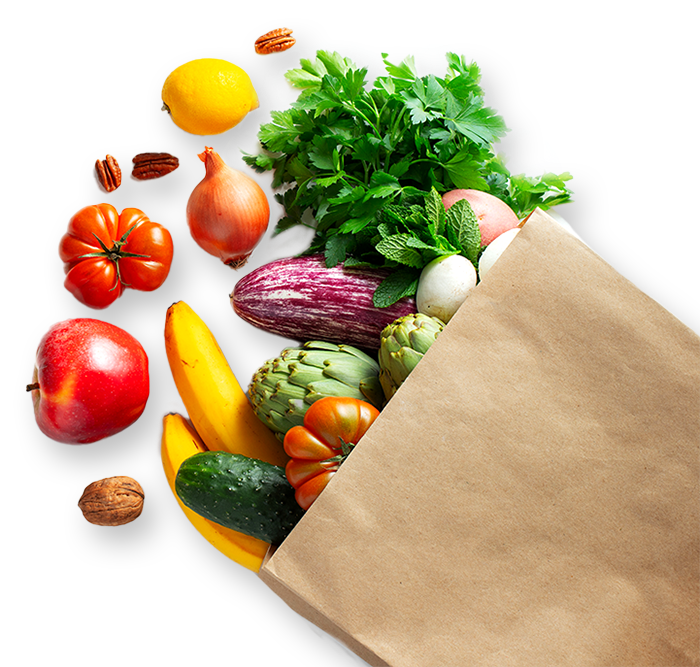
Fruits in a Diabetes Diet: Smart Choices for Stable Blood Sugar

Fruits in a diabetes diet are often misunderstood. Many people living with diabetes believe that fruits must be avoided completely because they contain sugar. This belief creates fear, unnecessary restriction, and confusion around healthy eating. In reality, fruits can play an important and positive role in a diabetes diet when chosen wisely, eaten in the right portions, and combined correctly with other foods.
A well planned diabetes diet does not focus on eliminating nutritious foods. Instead, it emphasizes balance, awareness, and consistency. Fruits provide essential vitamins, minerals, antioxidants, and dietary fiber that support long term health. Understanding how fruits affect blood sugar levels allows people with diabetes to enjoy them safely without compromising glucose control.
This comprehensive guide explains everything you need to know about fruits in a diabetes diet, including which fruits are best, which need portion control, how to eat fruits without blood sugar spikes, and how to make fruit a sustainable part of daily diabetes management.
Confused About Which Fruits Are Safe With Diabetes?
Fruits can be part of a healthy diabetes diet when chosen and portioned correctly. The type of fruit, serving size, and timing all affect blood sugar levels. Our personalised diabetes nutrition guidance helps you include fruits smartly while maintaining stable blood sugar control.
Get a Personalised Diabetes-Friendly Diet PlanWhy Fruits Matter in a Diabetes Diet
Fruits are one of the most nutrient dense food groups. They provide vitamin C, potassium, folate, antioxidants, and plant compounds that protect against inflammation and oxidative stress. These benefits are especially important for people with diabetes, who are at higher risk of heart disease, nerve damage, and metabolic complications.
The natural sugars in fruit are often misunderstood. While fruits do contain carbohydrates, they also contain dietary fiber. Fiber slows down digestion and the release of glucose into the bloodstream. This means that whole fruits affect blood sugar very differently from refined sugar, sweets, or sugary drinks.
Clinical nutrition guidelines and research supported by organizations such as the American Diabetes Association confirm that moderate fruit intake can be part of a healthy diabetes diet. The key is understanding portion size, fruit type, and overall meal composition.
How Fruits Affect Blood Sugar Levels
The effect of fruits on blood sugar depends on multiple factors. These include the glycemic index of the fruit, the amount eaten, the ripeness of the fruit, and whether it is eaten alone or with other foods.
Fruits with a lower glycemic index raise blood sugar slowly and steadily. Fruits with a higher glycemic index or glycemic load can raise blood sugar more quickly, especially when eaten in large quantities or on an empty stomach.
Processing also matters. Whole fruits digest more slowly than fruit juice, fruit puree, or dried fruit. Removing fiber increases the speed at which sugar enters the bloodstream, leading to rapid glucose spikes.
Understanding these differences helps people make informed decisions about fruits in a diabetes diet instead of avoiding them completely.
Best Fruits to Include in a Diabetes Diet
Low Glycemic Fruits That Support Blood Sugar Stability
Low glycemic fruits are ideal for regular inclusion in a diabetes diet. These fruits digest slowly and help maintain stable blood glucose levels.
Berries such as strawberries, blueberries, raspberries, and blackberries are excellent examples. They are low in sugar, high in fiber, and rich in antioxidants that support insulin sensitivity and reduce inflammation.
Apples and pears are also excellent fruits in a diabetes diet. They contain soluble fiber that slows digestion and improves post meal blood sugar control. Eating these fruits with the skin increases fiber intake and enhances their benefits.
Citrus Fruits and Their Role in a Diabetes Diet
Citrus fruits like oranges, sweet lime, and grapefruit are often avoided due to their sweet taste, but when eaten whole, they can fit well into a diabetes diet. These fruits provide fiber, vitamin C, and flavonoids that support heart health.
Whole citrus fruits have a moderate glycemic index and do not cause rapid blood sugar spikes when eaten in appropriate portions. Juice, however, should be avoided due to lack of fiber.
Confused About Which Fruits Are Safe With Diabetes?
Fruits can be part of a healthy diabetes diet when chosen and portioned correctly. The type of fruit, serving size, and timing all affect blood sugar levels. Our personalised diabetes nutrition guidance helps you include fruits smartly while maintaining stable blood sugar control.
Get a Personalised Diabetes-Friendly Diet PlanOther Fruits That Can Be Included Mindfully
Fruits such as kiwi, guava, papaya in controlled portions, and pomegranate arils can be included in a diabetes diet. These fruits provide fiber, digestive benefits, and antioxidants when consumed in moderation.
The key is portion control and monitoring individual blood sugar response.
Fruits That Need Portion Control in a Diabetes Diet
Some fruits contain higher natural sugar or carbohydrate content. These fruits are not unhealthy, but they require careful portion control for people with diabetes.
Bananas, mangoes, grapes, chikoo, and litchi tend to raise blood sugar more quickly, especially when fully ripe. Eating small portions and pairing them with protein or healthy fats helps slow glucose absorption.
Dried fruits such as dates, raisins, and figs are highly concentrated sources of sugar. Even small amounts can significantly raise blood sugar levels. These should be eaten rarely and in very limited quantities, if at all.
Fruits and Fruit Products Best Avoided in a Diabetes Diet
Fruit juice is one of the most problematic items in a diabetes diet. Even freshly prepared juice lacks fiber and delivers sugar rapidly into the bloodstream. Packaged juices often contain added sugars and preservatives, making them unsuitable for people with diabetes.
Canned fruits packed in syrup should be avoided completely. If canned fruit is used, it should be packed in water or natural juice with no added sugar and consumed in small portions.
Fruit based products such as jams, sweetened fruit yogurts, smoothies with added sugar, and fruit bars often contain hidden sugars and should be consumed with caution.
How to Read Fruit Labels for Better Diabetes Control
Reading food labels is essential when including fruits in a diabetes diet, especially packaged fruit products.
The ingredient list should always be checked first. If sugar, glucose syrup, fructose, honey, or fruit juice concentrate appears in the list, the product is not suitable for regular consumption.
The nutrition panel should be reviewed for total carbohydrates, fiber, and added sugars. Higher fiber content indicates slower digestion and better blood sugar control. Serving size is equally important, as many products contain multiple servings in one package.
Learning to read labels helps avoid misleading health claims and supports better glucose management.
Best Time to Eat Fruits in a Diabetes Diet
Timing plays an important role in how fruits affect blood sugar levels. Eating fruit as part of a meal or combined with protein and healthy fats is usually better than eating fruit alone.
Mid morning and mid afternoon are ideal times for many people to consume fruit. Pairing fruit with nuts, seeds, yogurt, or paneer helps slow glucose absorption and prevents sudden spikes.
Late night fruit consumption may not be ideal for individuals who struggle with fasting blood sugar or insulin resistance. Monitoring blood sugar responses helps determine the best timing for each person.
Portion Size Guidelines for Fruits in a Diabetes Diet
Portion control is the foundation of including fruits safely in a diabetes diet. A general guideline is one small whole fruit or about half a cup of chopped fruit per serving.
Spacing fruit servings throughout the day instead of consuming large amounts at once helps maintain stable blood sugar levels. Eating multiple fruits together in one sitting increases the risk of glucose spikes.
Regular blood glucose monitoring after trying new fruits helps personalize portion sizes and fruit choices.
Combining Fruits With Other Foods for Better Blood Sugar Response
Pairing fruits with protein, healthy fats, or fiber rich foods significantly improves blood sugar control. Fruit eaten alone may cause a faster rise in glucose levels.
Combining fruit with nuts, seeds, yogurt, nut butter, or curd slows digestion and increases satiety. This approach allows people with diabetes to enjoy fruits without fear while maintaining stable blood sugar.
Food combinations are a powerful tool in making fruits in a diabetes diet more sustainable and enjoyable.
Can Fruits Be Eaten Daily in a Diabetes Diet
Yes, fruits can be eaten daily as part of a diabetes diet when consumed mindfully. Eliminating fruits completely is unnecessary and may lead to nutrient deficiencies and increased cravings for sweets.
A balanced diabetes diet focuses on consistent carbohydrate intake rather than extreme restriction. Fruits provide natural sweetness along with essential nutrients that support long term health.
Consistency, portion awareness, and mindful selection are more effective than avoidance.
Common Myths About Fruits in a Diabetes Diet
One common myth is that fruit sugar is the same as refined sugar. Whole fruits behave very differently in the body due to their fiber, water content, and nutrient composition.
Another myth is that people with diabetes must avoid all sweet tasting fruits. Sweetness alone does not determine glycemic impact. Fiber, ripeness, and portion size matter more.
Breaking these myths helps people develop a healthier and more confident relationship with food.
A Quick Recap
Fruits in a diabetes diet are not only possible but beneficial when included correctly. Choosing whole fruits, controlling portions, pairing them wisely, and understanding individual blood sugar responses allows fruits to support rather than harm diabetes management.
A personalized and informed approach to nutrition helps people with diabetes enjoy food while maintaining long term blood sugar control. Education and consistency are the keys to success.
This evidence based and practical approach aligns with the philosophy of nutridatewithpriyanka.com, helping readers make confident, sustainable, and healthy food choices without unnecessary fear or restriction.
Confused About Which Fruits Are Safe With Diabetes?
Fruits can be part of a healthy diabetes diet when chosen and portioned correctly. The type of fruit, serving size, and timing all affect blood sugar levels. Our personalised diabetes nutrition guidance helps you include fruits smartly while maintaining stable blood sugar control.
Get a Personalised Diabetes-Friendly Diet PlanFrequently Asked Questions
Yes, fruits can be included daily in a diabetes diet when eaten in the right portions and chosen carefully. Whole fruits provide fiber, vitamins, and antioxidants that support overall health. The key is moderation, consistency, and monitoring individual blood sugar response rather than avoiding fruits completely.
Low glycemic and high fiber fruits are best for a diabetes diet. These include berries, apples, pears, citrus fruits, guava, and kiwi. These fruits digest slowly and help maintain stable blood sugar levels when eaten in appropriate portions.
Fruits are not bad for blood sugar when consumed correctly. Whole fruits affect blood sugar differently than refined sugar because they contain fiber. Problems usually arise from overeating fruit, drinking fruit juice, or consuming dried and processed fruit products with added sugar.
Most people with diabetes can safely consume one to two servings of fruit per day. A serving generally means one small whole fruit or half a cup of chopped fruit. Spreading fruit intake across the day is better than eating large amounts at once.
Fruit juice is not recommended in a diabetes diet because it lacks fiber and causes rapid blood sugar spikes. Even freshly made juice can raise glucose levels quickly. Whole fruits are always a better choice than juice for blood sugar control.