Fatty Liver Diet Plans to Reverse Liver Fat Safely and Naturally
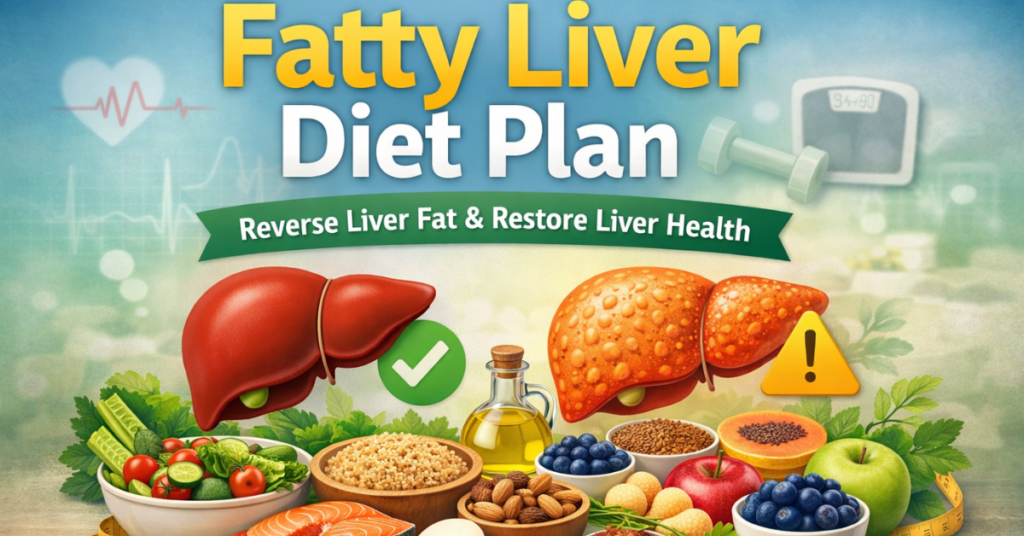
Fatty liver is one of the fastest growing lifestyle disorders today. Many people discover it accidentally during a routine ultrasound or blood test. Others notice symptoms like fatigue, heaviness in the upper abdomen, weight gain around the waist, or abnormal liver enzyme levels.
The good news is this: in most early and moderate stages, fatty liver can be reversed.
And the most effective treatment is not a pill. It is a structured, personalized fatty liver diet plans supported by lifestyle correction.
This article will explain everything you need to know in depth, including the science behind fatty liver, dietary strategies, portion guidance, meal structuring, and long-term recovery.
What Exactly Is Fatty Liver Disease?
Fatty liver disease occurs when excess fat accumulates in liver cells. When fat exceeds 5 to 10 percent of liver weight, it is clinically diagnosed as fatty liver.
The most common type today is Non-alcoholic fatty liver disease. This condition is strongly linked to insulin resistance, obesity, type 2 diabetes, PCOS, hypothyroidism, and high triglycerides.
If inflammation develops, it can progress to Non-alcoholic steatohepatitis, which increases the risk of fibrosis and long-term liver damage.
Understanding the stage of your condition is important because early fatty liver is highly reversible with the right fatty liver diet plans.
Diagnosed With Fatty Liver or High Liver Enzymes?
Fatty liver often develops due to poor diet, insulin resistance, and lifestyle habits. The right nutrition plan can help reduce liver fat and improve overall metabolic health. Our personalised fatty liver diet guidance supports safe and natural liver recovery.
Get Your Personalised Fatty Liver Diet PlansWhy Does Fat Accumulate in the Liver?
To design an effective fatty liver diet plans, we must understand the root mechanism.
The liver regulates fat and carbohydrate metabolism. When you consume excess refined carbohydrates, sugary drinks, and processed foods, blood sugar rises rapidly. The liver converts excess glucose into triglycerides. These triglycerides get stored inside liver cells.
Insulin resistance makes this worse. When cells stop responding properly to insulin, fat breakdown decreases and fat storage increases.
Additional factors that contribute include:
Chronic overeating
Frequent snacking on high-calorie foods
Sedentary lifestyle
Poor sleep
Chronic stress
Excess fructose consumption
High saturated fat intake
Therefore, fatty liver is not just about fat intake. It is primarily a metabolic imbalance.
Why a Fatty Liver Diet Plans Is the Primary Treatment
There is no medication that directly removes liver fat. The main strategy focuses on metabolic correction.
A structured fatty liver diet plans helps by:
Reducing overall calorie surplus
Improving insulin sensitivity
Lowering triglyceride production
Reducing oxidative stress
Supporting gut microbiome balance
Encouraging gradual fat loss
Research shows that a 7 to 10 percent reduction in body weight can significantly improve liver fat levels and normalize liver enzymes.
Gradual weight loss of 0.5 to 1 kg per week is ideal. Rapid weight loss may worsen liver inflammation.
Core Nutritional Principles of a Fatty Liver Diet Plans
An effective fatty liver diet plans must include:
Balanced carbohydrates
Adequate protein intake
High fiber consumption
Healthy fats in moderation
Low glycemic load foods
Minimal ultra-processed foods
Consistent meal timing
Let us examine each component in detail.
Carbohydrates in a Fatty Liver Diet Plans
Carbohydrates are often misunderstood. They are not the enemy. The type and quantity matter.
Refined carbohydrates such as white bread, white rice, maida, bakery items, and sugary cereals spike blood sugar rapidly. This increases fat synthesis in the liver.
Instead, focus on complex carbohydrates with fiber.
Best choices include:
Brown rice
Oats
Millets like jowar and bajra
Quinoa
Whole wheat roti in moderation
Portion control is critical. Even healthy carbohydrates can contribute to fat accumulation if eaten excessively.
Protein: The Most Underrated Component
Protein is essential in a fatty liver diet plans because it:
Supports liver cell repair
Maintains muscle mass
Reduces hunger
Improves insulin sensitivity
Prevents excessive carbohydrate intake
Good protein sources include:
Moong dal
Masoor dal
Chana
Rajma in controlled portions
Paneer in moderation
Tofu
Greek yogurt or curd
Egg whites
Grilled fish
Skinless chicken
Each meal should contain at least 20 to 25 grams of protein depending on body weight.
Healthy Fats and Their Role
Healthy fats are anti-inflammatory and support metabolic balance.
Include:
Almonds
Walnuts
Flaxseeds
Chia seeds
Pumpkin seeds
Mustard oil
Olive oil
Avoid:
Reheated oils
Deep fried foods
Trans fats
Packaged snacks
Total visible oil intake should be limited to 3 to 4 teaspoons per day.
Fiber: The Liver’s Best Friend
Fiber improves gut health, slows glucose absorption, and reduces triglyceride production.
Vegetables should cover half your plate at lunch and dinner.
Best vegetable options include:
Spinach
Methi
Bottle gourd
Ridge gourd
Broccoli
Cabbage
Carrot
Beetroot
Capsicum
Beans
Aim for at least 25 to 35 grams of fiber daily.
Fruits in a Fatty Liver Diet Plans
Fruits provide antioxidants but must be consumed wisely.
Choose:
Apple
Guava
Papaya
Pear
Berries
Orange
Avoid fruit juices because they lack fiber and spike blood sugar.
Limit fruit intake to one or two servings per day.
Role of Coffee in Liver Health
Moderate coffee consumption has been associated with improved liver enzyme levels in several studies.
Black coffee without sugar is recommended.
Limit to 1 to 2 cups per day.
Foods to Strictly Avoid
To reverse fatty liver, these foods must be minimized or eliminated:
Sugary beverages
Energy drinks
Packaged juices
White bread
Maida products
Deep fried snacks
Chips
Sweets
Processed meats
Excess alcohol
High fructose corn syrup products
Fructose overload is particularly harmful because it directly increases liver fat production.
Diagnosed With Fatty Liver or High Liver Enzymes?
Fatty liver often develops due to poor diet, insulin resistance, and lifestyle habits. The right nutrition plan can help reduce liver fat and improve overall metabolic health. Our personalised fatty liver diet guidance supports safe and natural liver recovery.
Get Your Personalised Fatty Liver Diet PlansSample Structured 1-Day Fatty Liver Diet Plans
Morning
Warm water with soaked methi seeds
Breakfast
Vegetable oats with chia seeds
Boiled egg whites
Green tea
Mid-Morning
Guava and almonds
Lunch
1 bowl dal
1 bowl lauki sabzi
1 multigrain roti
Large salad
Curd
Evening Snack
Roasted chana or sprouts
Dinner
Grilled paneer or tofu
Stir-fried vegetables
Small portion of millet
Hydration
2.5 to 3 liters of water daily
Exercise and Its Direct Impact on Liver Fat
A fatty liver diet plans works best when combined with exercise.
Physical activity:
Improves insulin sensitivity
Increases fat oxidation
Reduces abdominal fat
Improves lipid profile
Recommended routine:
Brisk walking 30 to 45 minutes daily
Strength training twice weekly
Core exercises
Light yoga or stretching
Exercise independently reduces liver fat even without significant weight loss.
Importance of Sleep and Stress Management
Chronic stress increases cortisol, which worsens insulin resistance.
Sleep deprivation increases cravings and metabolic dysfunction.
Aim for:
7 to 8 hours of quality sleep
Stress reduction through meditation or breathing exercises
Monitoring Progress
Regular follow-up is essential.
Check:
Liver function tests every 3 months
Ultrasound as advised
Lipid profile
HbA1c if diabetic
Weight and waist circumference
Waist reduction is often an early sign of improvement.
How Long Does It Take to Reverse Fatty Liver?
Mild fatty liver may show enzyme improvement within 8 to 12 weeks.
Ultrasound improvement may take 3 to 6 months.
Advanced stages require longer and stricter supervision.
Consistency determines outcome.
Common Mistakes to Avoid
Extreme crash dieting
Long juice cleanses
Skipping protein
Overeating healthy foods
Relying only on supplements
Inconsistent exercise
Recovery is a metabolic process, not a quick fix.
Who Needs a Personalized Fatty Liver Diet Plans?
Individuals with:
Diabetes
PCOS
Hypothyroidism
High cholesterol
Obesity
Family history of liver disease
Need a customized plan based on blood markers, lifestyle, and metabolic rate.
Diagnosed With Fatty Liver or High Liver Enzymes?
Fatty liver often develops due to poor diet, insulin resistance, and lifestyle habits. The right nutrition plan can help reduce liver fat and improve overall metabolic health. Our personalised fatty liver diet guidance supports safe and natural liver recovery.
Get Your Personalised Fatty Liver Diet PlansA Quick Recap
Fatty liver is not permanent. It is a metabolic warning sign.
A scientifically structured fatty liver diet plans can:
Reduce liver fat
Normalize enzyme levels
Improve insulin sensitivity
Support weight loss
Boost energy
Prevent long-term complications
The key is consistency, balance, and personalization.
If you commit to a proper fatty liver diet plans supported by exercise, sleep, and stress control, your liver has an incredible ability to heal.
Frequently Asked Questions
Yes. In early and moderate stages, fatty liver can often be reversed with a structured fatty liver diet plans combined with weight management and regular exercise. Clinical evidence shows that losing 7 to 10 percent of body weight can significantly reduce liver fat and improve liver enzyme levels.
Most people begin to see improvement in liver enzymes within 8 to 12 weeks if they follow the plan consistently. Ultrasound changes may take 3 to 6 months. The exact timeline depends on severity, body weight, and adherence.
No, rice is not completely banned. Portion control is key. It is better to replace white rice with brown rice, hand-pounded rice, or millets and limit the serving size.
Yes, fruits can be included in a fatty liver diet plans, but in moderation. Choose whole fruits like apple, guava, papaya, pear, or berries. Avoid fruit juices because they spike blood sugar and increase liver fat production.
Yes, eggs are safe. Egg whites are excellent protein sources and help in liver repair. If cholesterol levels are high, limit egg yolks as per medical advice.