High Cholesterol Diet Plan to Lower LDL and Boost Heart Health
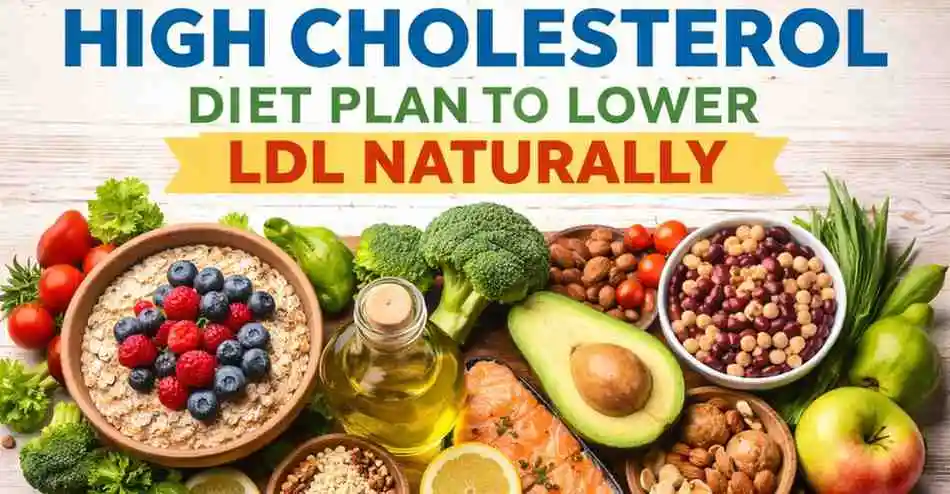
If you have recently been told that your cholesterol levels are high, you are not alone. Millions of adults discover elevated cholesterol during routine blood tests. The good news is that in many cases, the right high cholesterol diet can significantly improve your lipid profile without extreme restrictions or confusion.
As a nutrition professional, I have worked with clients who reduced their LDL cholesterol naturally by making consistent and practical dietary changes. This guide is designed to be clear, science based, and easy to follow. It will help you understand exactly what a high cholesterol diet looks like, what foods to include, what to avoid, and how to build a sustainable meal structure that supports long term heart health.
Concerned About High LDL or Rising Cholesterol?
High cholesterol increases the risk of heart disease, but the right diet can help lower LDL levels naturally. Balanced meals, healthy fats, and lifestyle changes play a key role in improving heart health. Get personalised nutrition guidance to manage cholesterol safely and effectively.
Get Your Personalised Cholesterol Diet PlanWhat Is a High Cholesterol Diet
A high cholesterol diet does not mean eating more cholesterol. It refers to a structured eating pattern designed specifically for people who already have elevated cholesterol levels and want to reduce LDL, improve HDL, and balance triglycerides.
Cholesterol is a waxy substance produced by the liver. It plays an essential role in hormone production, vitamin D synthesis, and cell function. However, when low density lipoprotein, commonly called LDL or bad cholesterol, becomes too high, it can accumulate inside arteries. Over time, this increases the risk of heart disease and stroke.
The purpose of a high cholesterol diet is to:
Reduce LDL cholesterol
Support healthy HDL levels
Lower triglycerides
Reduce inflammation
Protect arterial health
The focus is not elimination. The focus is correction and balance.
Why Diet Is the Most Powerful First Step
Many people immediately think about medication when they hear the word cholesterol. While medicines are necessary for some individuals, dietary modification is often the first and most effective line of action.
Research shows that food directly impacts cholesterol metabolism. Certain nutrients help remove cholesterol from the digestive tract before it enters the bloodstream. Others reduce cholesterol production in the liver. On the other hand, some foods increase LDL and inflammation.
The difference between worsening and improving cholesterol levels often comes down to daily food choices.
A well planned high cholesterol diet can lower LDL by 10 to 20 percent within a few months when followed consistently.
Core Principles of an Effective High Cholesterol Diet
To make this guide practical and structured, here are the five foundational pillars that define a successful high cholesterol diet.
First, increase soluble fiber intake.
Second, replace saturated fats with unsaturated fats.
Third, prioritize plant based whole foods.
Fourth, reduce refined carbohydrates and added sugars.
Fifth, maintain portion control and healthy body weight.
Each of these pillars plays a measurable role in improving lipid balance.
Concerned About High LDL or Rising Cholesterol?
High cholesterol increases the risk of heart disease, but the right diet can help lower LDL levels naturally. Balanced meals, healthy fats, and lifestyle changes play a key role in improving heart health. Get personalised nutrition guidance to manage cholesterol safely and effectively.
Get Your Personalised Cholesterol Diet PlanFoods to Include in a High Cholesterol Diet
Oats and Whole Grains
Oats are rich in beta glucan, a soluble fiber known to reduce LDL cholesterol. Eating a bowl of oatmeal daily can significantly improve cholesterol markers.
Other excellent whole grains include barley, brown rice, quinoa, whole wheat roti, and millets. These grains provide fiber and antioxidants while preventing rapid blood sugar spikes.
Replace refined flour products with whole grain alternatives whenever possible.
Legumes and Plant Protein
Lentils, chickpeas, rajma, black beans, and moong dal are powerful cholesterol lowering foods. They are rich in soluble fiber and plant protein.
Replacing red meat with legumes even three times per week can reduce LDL and improve overall heart health. Plant proteins also reduce saturated fat intake naturally.
Nuts and Seeds
Almonds, walnuts, flax seeds, and chia seeds contain healthy fats, fiber, and plant sterols. These nutrients help reduce LDL cholesterol.
A small handful of nuts daily is enough. Portion control is important because they are calorie dense.
Fruits Rich in Soluble Fiber
Apples, pears, berries, citrus fruits, and guava are rich in pectin, a soluble fiber that helps remove cholesterol from the body.
Choose whole fruits instead of fruit juices to preserve fiber content.
Healthy Fats and Oils
Replace butter and excessive ghee with oils rich in unsaturated fats such as olive oil, mustard oil, and groundnut oil.
If you consume non vegetarian foods, fatty fish like salmon, mackerel, and sardines provide omega 3 fatty acids that lower triglycerides and support heart function.
Vegetables and Leafy Greens
Vegetables are naturally low in calories and high in fiber and antioxidants. Green leafy vegetables, broccoli, carrots, okra, and eggplant help reduce oxidative stress in arteries.
Fill at least half of your plate with vegetables at lunch and dinner.
Foods to Avoid in a High Cholesterol Diet
To make a high cholesterol diet effective, certain foods must be limited.
Reduce saturated fats found in fatty meats, processed meats, bakery products, and high fat dairy.
Avoid trans fats completely. These are often found in packaged snacks and commercial fried foods.
Limit refined carbohydrates such as white bread, sugary beverages, sweets, and processed snacks. High sugar intake increases triglycerides and worsens cholesterol balance.
Minimize deep fried foods and fast food consumption.
Sample Structured Day on a High Cholesterol Diet
Morning: Oats with flax seeds and fruit or vegetable upma made with minimal oil.
Mid morning: One fruit and a handful of almonds.
Lunch: Multigrain roti, dal, green vegetable, salad, and curd made from toned milk.
Evening: Roasted chana or green tea with seed mix.
Dinner: Vegetable soup with paneer or tofu, or brown rice with rajma and sautéed vegetables.
Hydration throughout the day is essential.
Lifestyle Habits That Improve Cholesterol Naturally
A high cholesterol diet works best when combined with healthy lifestyle habits.
Regular physical activity raises HDL cholesterol. Aim for at least 30 minutes of brisk walking five days per week.
Manage stress through meditation, breathing exercises, or yoga.
Sleep at least seven hours per night to maintain metabolic balance.
Avoid smoking and limit alcohol consumption.
Common Myths About a High Cholesterol Diet
Myth one. All fats are bad.
Truth. Healthy unsaturated fats are beneficial and necessary.
Myth two. Eggs must be completely avoided.
Truth. For most individuals, moderate egg intake is safe when overall diet quality is good.
Myth three. Supplements alone can fix cholesterol.
Truth. Whole food dietary changes are far more effective and sustainable.
A Quick Recap
A high cholesterol diet is not about restriction. It is about intelligent food choices that support heart health every day.
When you consistently choose fiber rich foods, healthy fats, plant based proteins, and balanced meals, your cholesterol levels can improve significantly. The key is sustainability, not short term dieting.
By following this structured approach, optimizing your meals, and maintaining healthy lifestyle habits, you can reduce LDL naturally and protect your heart for the long term.
Concerned About High LDL or Rising Cholesterol?
High cholesterol increases the risk of heart disease, but the right diet can help lower LDL levels naturally. Balanced meals, healthy fats, and lifestyle changes play a key role in improving heart health. Get personalised nutrition guidance to manage cholesterol safely and effectively.
Get Your Personalised Cholesterol Diet Plan