Testosterone Boosting Foods for Naturally Improving Hormone Health
Testosterone plays a crucial role in overall health, energy, and physical performance. It is the primary male hormone responsible for muscle growth, strength, libido, bone density, and metabolism. Although testosterone naturally declines with age, lifestyle choices and dietary habits can significantly influence how the body produces and regulates this hormone.
Many people look for supplements or medications when they experience symptoms of low testosterone such as fatigue, reduced muscle mass, low libido, and poor focus. However, nutrition is one of the most effective and natural ways to support healthy hormone levels.
Certain foods contain nutrients that help stimulate testosterone production, support hormone balance, and improve metabolic health. These testosterone boosting foods provide essential vitamins, minerals, healthy fats, and antioxidants that allow the body to function at its best.
Understanding how food affects hormone production can help you make smarter dietary choices that support long-term health. In this guide, we will explore the best testosterone boosting foods, explain how they work, and discuss lifestyle habits that help maintain optimal hormone levels naturally.
Understanding Testosterone and Why It Is Important
Testosterone is a hormone produced mainly in the testes in men and in smaller amounts in the ovaries and adrenal glands in women. It plays an important role in regulating physical and mental health.
Healthy testosterone levels support muscle growth, bone strength, fat metabolism, and reproductive health. It also influences mood, confidence, focus, and energy levels.
Testosterone levels typically peak during early adulthood and gradually decline with age. However, poor lifestyle habits such as unhealthy diets, excessive stress, lack of sleep, and physical inactivity can accelerate this decline.
When testosterone levels drop significantly, individuals may experience symptoms such as fatigue, reduced stamina, low motivation, weight gain, and decreased muscle mass.
Fortunately, making changes to your diet and lifestyle can help support natural hormone production. Including the right testosterone boosting foods in your daily meals is one of the simplest and most effective strategies.
Looking to Improve Testosterone Levels Naturally?
Testosterone plays an important role in energy levels, muscle strength, metabolism, and overall hormone health. The right nutrition, healthy fats, protein, and micronutrients can help support natural testosterone production. Get a personalised diet plan designed to improve hormonal balance and vitality.
Get Your Personalised Hormone Health Diet PlanHow Diet Influences Testosterone Levels
The human body requires specific nutrients to produce hormones properly. Testosterone production depends on vitamins, minerals, and healthy fats that support endocrine system function.
For example, zinc is essential for testosterone synthesis and reproductive health. Magnesium helps regulate hormone activity and improves muscle performance. Vitamin D plays a hormone-like role in the body and supports testosterone production.
Healthy fats are also important because testosterone is synthesized from cholesterol. Diets that contain adequate amounts of healthy fats tend to support better hormone balance.
Antioxidants found in fruits and vegetables help reduce oxidative stress and inflammation, which can negatively affect hormone production.
By consuming a balanced diet that includes testosterone boosting foods, the body receives the nutrients it needs to maintain optimal hormone levels.
Best Testosterone Boosting Foods
Fatty Fish
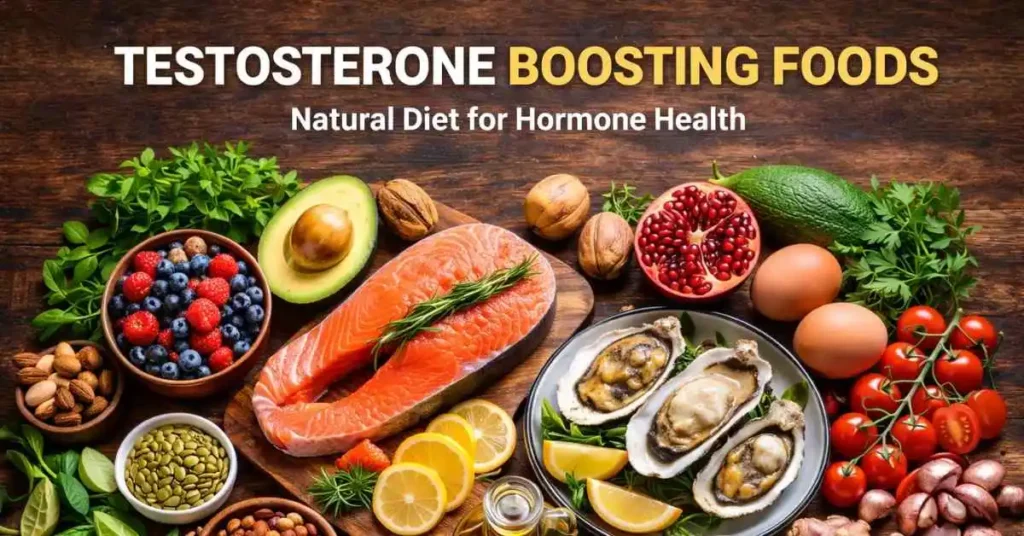
Fatty fish such as salmon, tuna, sardines, and mackerel are among the most effective testosterone boosting foods. These fish are rich in omega-3 fatty acids and vitamin D, both of which support hormone production.
Omega-3 fatty acids help reduce inflammation and improve cardiovascular health. Better circulation ensures that oxygen and nutrients reach hormone-producing organs efficiently.
Vitamin D is particularly important because it acts like a hormone in the body and has been associated with increased testosterone levels.
Including fatty fish in your diet two or three times a week can support overall hormone health and improve energy levels.
Eggs
Eggs are another excellent addition to a testosterone supporting diet. They contain protein, vitamin D, healthy fats, and cholesterol, all of which play a role in hormone production.
The cholesterol found in egg yolks serves as a building block for testosterone. Eggs also provide amino acids that support muscle repair and growth.
Maintaining lean muscle mass is important because physical activity and muscle development stimulate testosterone production.
Eating eggs regularly as part of a balanced diet can contribute to improved hormone health.
Leafy Green Vegetables
Leafy greens such as spinach, kale, and Swiss chard are rich sources of magnesium. Magnesium is an essential mineral involved in hundreds of biochemical reactions, including those related to hormone production.
Research suggests that magnesium may support higher testosterone levels, particularly in individuals who engage in regular physical activity.
Leafy greens also provide fiber, vitamins, and antioxidants that support metabolic health and digestion.
Adding spinach or kale to salads, smoothies, or cooked meals can help ensure you receive important nutrients that support testosterone production.
Avocados
Avocados are packed with healthy monounsaturated fats that support hormone production. These fats help maintain cell membrane health and support endocrine system function.
Avocados also contain vitamin B6, which helps regulate hormone activity. Additionally, they provide potassium and antioxidants that support heart health and metabolism.
Including avocados in meals such as salads, sandwiches, or breakfast bowls can help provide essential nutrients that contribute to balanced hormone levels.
Shellfish
Shellfish such as oysters, crab, and shrimp are among the richest sources of zinc. Zinc is a mineral that plays a crucial role in testosterone production and reproductive health.
Low zinc levels are often associated with reduced testosterone levels. Ensuring adequate zinc intake helps the body maintain proper hormone balance.
Oysters are particularly well known for their high zinc content and have long been associated with supporting reproductive health.
Including zinc-rich foods like shellfish in your diet can help maintain healthy testosterone levels.
Pomegranates
Pomegranates are widely known for their antioxidant properties. These antioxidants help protect cells from oxidative stress, which can negatively affect hormone production.
Studies suggest that pomegranate consumption may support improved testosterone levels and enhance blood circulation.
Better circulation helps deliver oxygen and nutrients throughout the body, supporting energy levels and overall health.
Drinking fresh pomegranate juice or adding the fruit to salads can provide powerful antioxidant benefits.
Berries
Berries such as blueberries, strawberries, and raspberries contain high levels of antioxidants and vitamin C. These nutrients help protect cells from damage and support immune function.
Antioxidants help maintain the health of hormone-producing cells and reduce inflammation in the body.
Regular consumption of berries can contribute to improved metabolic health and better hormone balance.
Berries can easily be added to breakfast meals, smoothies, or healthy snacks.
Ginger
Ginger has been used in traditional medicine for centuries due to its anti-inflammatory and antioxidant properties. Research suggests that ginger may help improve testosterone levels by supporting reproductive health.
Ginger may also help improve circulation and reduce oxidative stress.
Adding fresh ginger to teas, meals, or smoothies is a simple way to include this beneficial root in your diet.
Looking to Improve Testosterone Levels Naturally?
Testosterone plays an important role in energy levels, muscle strength, metabolism, and overall hormone health. The right nutrition, healthy fats, protein, and micronutrients can help support natural testosterone production. Get a personalised diet plan designed to improve hormonal balance and vitality.
Get Your Personalised Hormone Health Diet PlanLifestyle Habits That Support Testosterone
Diet is an important factor in hormone health, but lifestyle habits also play a major role in maintaining optimal testosterone levels.
Regular physical activity, especially strength training, stimulates testosterone production. Resistance exercises help build muscle mass and improve metabolic health.
Quality sleep is another essential factor because testosterone is produced during deep sleep cycles. Poor sleep can significantly reduce hormone production.
Stress management is also important. Chronic stress increases cortisol levels, which can suppress testosterone production. Relaxation techniques such as meditation, breathing exercises, or spending time outdoors can help reduce stress.
Maintaining a healthy body weight is also beneficial because excess body fat is associated with lower testosterone levels.
Foods That May Lower Testosterone
While certain foods support hormone production, others may contribute to hormonal imbalance when consumed excessively.
Highly processed foods, refined sugars, and trans fats can negatively impact metabolic health and hormone regulation.
Excessive alcohol consumption may also interfere with testosterone production and reproductive health.
Focusing on whole foods and balanced meals is the best approach for maintaining healthy hormone levels.
When to Seek Professional Advice
If symptoms such as persistent fatigue, reduced muscle mass, low libido, or mood changes continue despite lifestyle improvements, it may be helpful to consult a healthcare professional.
A medical professional can evaluate hormone levels through blood tests and recommend appropriate treatment if necessary.
In many cases, dietary improvements and lifestyle adjustments can significantly improve hormone balance without medication.
A Quick Recap
Testosterone plays a vital role in maintaining energy, strength, metabolism, and overall well-being. Although hormone levels naturally change with age, diet and lifestyle choices can have a powerful impact on testosterone production.
Including testosterone boosting foods such as fatty fish, eggs, leafy greens, avocados, shellfish, berries, pomegranates, and ginger can help support natural hormone balance. These foods provide essential nutrients that allow the body to produce and regulate testosterone effectively.
When combined with regular exercise, quality sleep, and stress management, a healthy diet can significantly improve hormonal health and overall vitality.
Making consistent, healthy dietary choices is one of the most effective ways to support long-term wellness and maintain optimal testosterone levels.
Looking to Improve Testosterone Levels Naturally?
Testosterone plays an important role in energy levels, muscle strength, metabolism, and overall hormone health. The right nutrition, healthy fats, protein, and micronutrients can help support natural testosterone production. Get a personalised diet plan designed to improve hormonal balance and vitality.
Get Your Personalised Hormone Health Diet PlanFrequently Asked Questions
Some of the best testosterone boosting foods include fatty fish, eggs, spinach, avocados, shellfish, pomegranates, berries, and ginger. These foods contain important nutrients such as zinc, vitamin D, magnesium, and healthy fats that help support natural testosterone production in the body.
Yes, diet plays an important role in hormone health. Eating testosterone boosting foods that are rich in zinc, vitamin D, antioxidants, and healthy fats can support the body’s ability to produce testosterone naturally. A balanced diet combined with regular exercise and good sleep can significantly improve hormone levels.
Zinc is one of the most important nutrients for testosterone production. Low zinc levels are often linked with reduced testosterone levels. Foods such as oysters, pumpkin seeds, seafood, and nuts are excellent sources of zinc and support hormone health.
Yes, eggs are considered one of the most effective testosterone boosting foods. Egg yolks contain vitamin D, cholesterol, and healthy fats that act as building blocks for testosterone production. They also provide protein that helps support muscle growth.
Certain fruits can support testosterone production because they contain antioxidants and vitamins that protect hormone-producing cells. Fruits such as pomegranates, berries, bananas, and avocados are often included among testosterone boosting foods due to their nutritional benefits.