Vitamin B12 Deficiency Indian Vegetarian: Symptoms and Foods
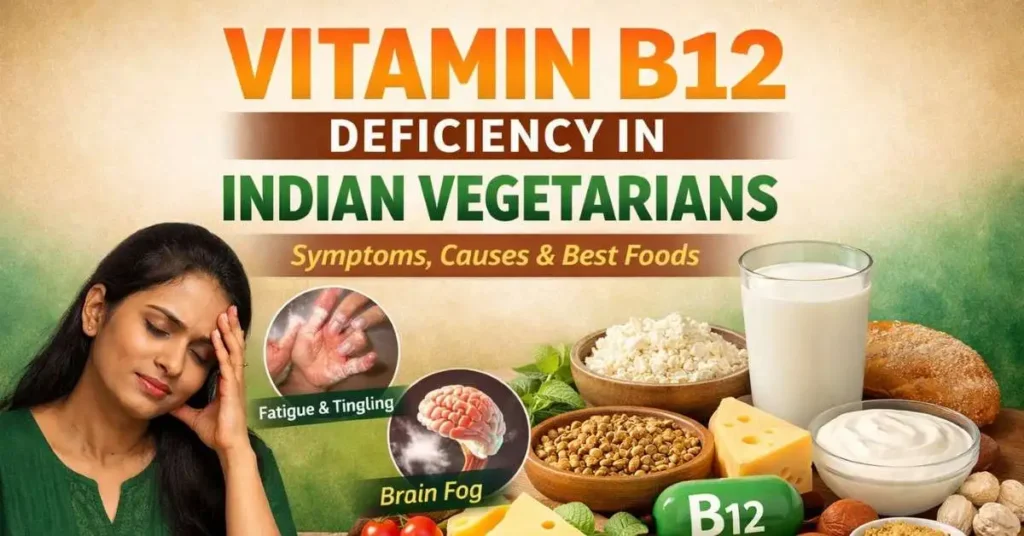
If you often feel tired, weak, or mentally foggy even after eating well, your body might be lacking something essential. One of the most common yet ignored reasons is Vitamin B12 deficiency in Indian vegetarians.
In India, millions of people follow a vegetarian diet, believing it to be complete and healthy. While it offers many benefits, it can silently lack one critical nutrient—Vitamin B12. The problem is not your diet itself, but the absence of proper awareness.
Most people do not realize they are deficient until symptoms start affecting daily life. By then, the condition may have already progressed.
What is Vitamin B12 and Why It Matters for Indian Vegetarians
Vitamin B12, also known as cobalamin, is essential for maintaining nerve health, producing red blood cells, and supporting brain function. It plays a key role in keeping your energy levels stable and your mind sharp.
Unlike other vitamins, Vitamin B12 is naturally found in animal-based foods. This creates a major gap for Indian vegetarians, especially those who avoid eggs or consume very little dairy.
Without enough Vitamin B12, your body struggles to produce healthy blood cells and maintain proper nerve function. Over time, this leads to fatigue, weakness, and neurological issues.
Feeling Weak, Tired, or Low on Energy?
Vitamin B12 deficiency is common in vegetarians and can lead to fatigue, nerve issues, and low energy levels. Since B12 sources are limited in vegetarian diets, proper planning and guidance are essential. Get a personalised diet plan to improve B12 levels safely and naturally.
Get Your B12 Boost Diet PlanWhy Vitamin B12 Deficiency is So Common in Indian Vegetarian Diets
Vitamin B12 deficiency in Indian vegetarians is not rare—it is extremely common. The main reason is simple: plant-based foods do not provide this vitamin in sufficient amounts.
Even though dairy products like milk, curd, and paneer contain small quantities of Vitamin B12, they are often not enough to meet daily requirements, especially when consumed in limited portions.
Another important factor is absorption. Many people in India suffer from digestive issues such as low stomach acid or gut imbalances, which reduce the body’s ability to absorb Vitamin B12 effectively.
Lifestyle habits also play a role. Excessive tea and coffee consumption, irregular eating patterns, stress, and reliance on processed foods can further reduce nutrient absorption.
Vitamin B12 Deficiency Symptoms in Indian Vegetarians
One of the biggest dangers of Vitamin B12 deficiency is that it develops slowly. The symptoms often appear mild at first and are easy to ignore.
In the early stage, you may experience constant tiredness, weakness, and low energy levels. Even after proper rest, your body may feel exhausted. This is often mistaken for stress or lack of sleep.
As the deficiency progresses, physical symptoms become more noticeable. You may observe pale or slightly yellowish skin, shortness of breath, dizziness, and frequent headaches.
Neurological symptoms are a serious concern. Tingling or numbness in the hands and feet is a common sign of nerve involvement. Some people describe it as a pins and needles sensation.
Mental health can also be affected. Memory problems, difficulty concentrating, irritability, and mood swings are frequently reported. In more severe cases, depression may develop.
If left untreated for a long time, Vitamin B12 deficiency can lead to irreversible nerve damage, making early detection extremely important.
Causes of Vitamin B12 Deficiency in Indian Vegetarians
The primary cause is dietary limitation. Since Vitamin B12 is not naturally present in plant-based foods, strict vegetarians are at higher risk.
However, even individuals who consume dairy can become deficient due to poor absorption. Conditions such as gastritis, intestinal disorders, or chronic digestive issues can interfere with the body’s ability to absorb nutrients.
Low stomach acid is another major factor, especially among older adults. Without sufficient acid, Vitamin B12 cannot be properly released from food.
Certain medications commonly used in India, such as antacids and diabetes drugs, can also reduce absorption when taken for long periods.
Feeling Weak, Tired, or Low on Energy?
Vitamin B12 deficiency is common in vegetarians and can lead to fatigue, nerve issues, and low energy levels. Since B12 sources are limited in vegetarian diets, proper planning and guidance are essential. Get a personalised diet plan to improve B12 levels safely and naturally.
Get Your B12 Boost Diet PlanBest Vitamin B12 Foods for Indian Vegetarians
Although natural vegetarian sources are limited, there are still practical ways to improve your intake.
Dairy products remain the most accessible option. Regular consumption of milk, curd, paneer, and cheese can contribute to your daily Vitamin B12 intake.
Fortified foods are highly recommended. Many breakfast cereals, plant-based milk options, and nutritional yeast products are enriched with Vitamin B12 and can help fill the gap.
Fermented foods like idli and dosa are often considered sources of Vitamin B12, but the amount present is minimal and unreliable. They should not be depended on as the primary source.
For individuals with confirmed deficiency, dietary changes alone may not be sufficient. In such cases, supplementation becomes necessary under expert guidance.
How Much Vitamin B12 Does Your Body Need
The average adult requires around 2.4 micrograms of Vitamin B12 per day. Pregnant and breastfeeding women need slightly higher amounts to support both their health and the baby’s development.
Even though the requirement seems small, it is difficult to meet without proper planning in a vegetarian diet.
Who is at Higher Risk in India
Vitamin B12 deficiency in Indian vegetarians affects a wide range of people, but some groups are more vulnerable.
Strict vegetarians and vegans are at the highest risk due to the absence of natural sources in their diet. Older adults are also at risk because of reduced absorption capacity.
Pregnant women, individuals with digestive disorders, and those following restrictive diets are more likely to develop deficiency.
Urban populations are increasingly affected due to poor dietary habits, high stress levels, and dependence on processed foods.
How to Prevent Vitamin B12 Deficiency in Indian Vegetarians
Preventing Vitamin B12 deficiency requires a conscious and consistent approach.
Including dairy in your daily meals can help, but it should be supported with fortified foods for better results. Checking labels and choosing enriched products can make a significant difference.
Maintaining gut health is equally important. A balanced diet, proper hydration, and regular physical activity support better nutrient absorption.
Routine health check-ups play a crucial role. Testing your Vitamin B12 levels once in a while can help detect deficiency early.
For many Indian vegetarians, supplements are the most reliable way to maintain adequate levels, especially when dietary intake is insufficient.
When Should You Get Tested
If you experience persistent fatigue, numbness, memory issues, or unexplained weakness, it is important to get your Vitamin B12 levels checked.
A simple blood test can provide clarity and help you take timely action. Ignoring symptoms can lead to long-term complications that are harder to reverse.
Treatment Options for Vitamin B12 Deficiency
Treatment depends on the severity of the deficiency.
Mild cases can often be managed with dietary changes and oral supplements. Moderate to severe cases may require Vitamin B12 injections, which are commonly prescribed and highly effective.
Most people start noticing improvement within a few weeks, but full recovery may take a few months depending on individual health conditions.
A Quick Recap
Vitamin B12 deficiency in Indian vegetarians is a silent but serious health concern. It often goes unnoticed until symptoms begin to interfere with daily life.
The key to staying healthy is awareness and proactive action. By making small but consistent changes in your diet and lifestyle, you can prevent deficiency and maintain optimal health.
If you are following a vegetarian diet, do not ignore the importance of Vitamin B12. Listen to your body, stay informed, and take the right steps at the right time.
Feeling Weak, Tired, or Low on Energy?
Vitamin B12 deficiency is common in vegetarians and can lead to fatigue, nerve issues, and low energy levels. Since B12 sources are limited in vegetarian diets, proper planning and guidance are essential. Get a personalised diet plan to improve B12 levels safely and naturally.
Get Your B12 Boost Diet PlanFrequently Asked Questions
Vitamin B12 deficiency in Indian vegetarians can cause fatigue, weakness, pale skin, dizziness, tingling in hands and feet, memory problems, and mood changes. Severe cases may lead to nerve damage.
Vitamin B12 deficiency is common in Indian vegetarians because plant-based foods do not naturally contain this vitamin. Limited dairy intake and poor absorption also increase the risk.
It is difficult for Indian vegetarians to meet Vitamin B12 needs through diet alone. Dairy and fortified foods help, but many people still require supplements.
Milk, curd, paneer, cheese, fortified cereals, and nutritional yeast are good sources of Vitamin B12 for Indian vegetarians. However, natural vegetarian sources are limited.
You can prevent Vitamin B12 deficiency by including dairy products, eating fortified foods, maintaining gut health, and taking supplements if needed after consulting a professional.