Hypertension Diet Plan to Naturally Control High Blood Pressure
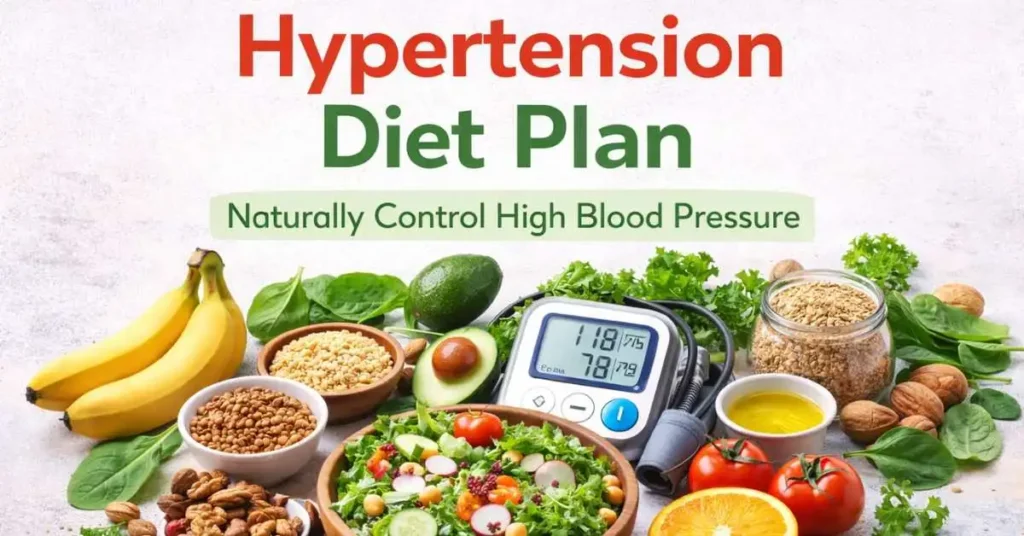
A well-planned hypertension diet plan can be one of the most powerful tools to control high blood pressure naturally without depending entirely on medications. Over the past few years, hypertension has become extremely common due to poor lifestyle habits, stress, and unhealthy eating patterns. The biggest concern is that most people do not even realize they have high blood pressure until it starts affecting their heart, kidneys, or brain.
In my 15 years of experience working with clients managing lifestyle disorders, I have seen that diet alone can bring remarkable improvements in blood pressure levels when followed consistently. The goal is not to follow a strict or complicated routine but to adopt a sustainable way of eating that supports your heart every single day.
This guide is designed to give you a practical, easy-to-follow hypertension diet plan that fits into Indian lifestyles while also being aligned with global nutrition guidelines.
Struggling with High Blood Pressure?
Hypertension can silently affect your heart and overall health if not managed properly. A balanced diet low in salt and rich in potassium, fibre, and heart-friendly nutrients can help control blood pressure naturally. Get a personalised diet plan to support long-term heart health.
Get Your Blood Pressure Control Diet PlanWhat is Hypertension and Why Your Diet Matters
Hypertension occurs when the force of blood flowing through your arteries remains consistently high. This increases the workload on your heart and damages blood vessels over time. While factors like genetics and age play a role, diet is one of the most controllable factors.
A poor diet high in salt, processed foods, and unhealthy fats leads to fluid retention and stiff blood vessels, which directly increases blood pressure. On the other hand, a balanced hypertension diet plan helps relax blood vessels, improve circulation, and reduce strain on the heart.
Many people focus only on reducing salt, but the real solution lies in overall dietary balance. Increasing potassium, fiber, and essential nutrients is equally important for managing blood pressure effectively.
The Science Behind a Hypertension Diet Plan
The most recommended dietary approach for managing hypertension is the DASH diet, which stands for Dietary Approaches to Stop Hypertension. This approach is backed by strong scientific evidence and focuses on reducing sodium while increasing nutrient-rich foods.
A well-designed hypertension diet plan includes foods that are naturally rich in potassium, magnesium, and calcium. These nutrients help regulate blood pressure by improving blood vessel function and reducing the effects of sodium.
From a practical perspective, this means shifting from processed and packaged foods to fresh, home-cooked meals. It also means being mindful of portion sizes and maintaining a healthy body weight.
The key is not temporary dieting but creating a long-term eating pattern that supports your health.
Core Principles of a Hypertension Diet Plan
A successful hypertension diet plan is built on a few simple yet powerful principles.
The first principle is reducing sodium intake. Instead of eliminating salt completely, focus on limiting processed foods and controlling added salt in your meals.
The second principle is increasing potassium-rich foods. Fruits and vegetables naturally help balance sodium levels in the body and support healthy blood pressure.
The third principle is eating whole, unprocessed foods. Fresh and seasonal foods provide better nutrition and fewer harmful additives.
The fourth principle is maintaining portion control. Overeating, even healthy foods, can lead to weight gain and worsen blood pressure.
The fifth principle is staying hydrated. Proper hydration supports circulation and overall metabolic health.
When these principles are followed consistently, they create a strong foundation for managing hypertension naturally.
Struggling with High Blood Pressure?
Hypertension can silently affect your heart and overall health if not managed properly. A balanced diet low in salt and rich in potassium, fibre, and heart-friendly nutrients can help control blood pressure naturally. Get a personalised diet plan to support long-term heart health.
Get Your Blood Pressure Control Diet PlanBest Foods to Include in a Hypertension Diet Plan
To make your hypertension diet plan effective, it is important to include foods that actively support heart health.
Fresh vegetables should form the base of your meals. Green leafy vegetables like spinach and fenugreek are rich in potassium and magnesium. Other vegetables like bottle gourd, ridge gourd, carrots, and beetroot are light, nutritious, and easy to digest.
Fruits play a crucial role in balancing blood pressure. Bananas are especially beneficial due to their high potassium content. Citrus fruits, apples, and pomegranates provide antioxidants that protect the heart.
Whole grains such as oats, brown rice, and whole wheat help maintain steady energy levels and improve digestion. They are also rich in fiber, which supports weight management.
Protein should come from healthy sources like lentils, chickpeas, beans, and low-fat dairy. If you consume non-vegetarian food, lean protein options like chicken and fish can be included in moderation.
Healthy fats from nuts, seeds, and oils like mustard oil or olive oil support heart health when used in controlled amounts.
From my experience, the simpler your diet, the more sustainable it becomes.
Foods to Avoid in a Hypertension Diet Plan
Avoiding harmful foods is just as important as including healthy ones. Many everyday foods contain hidden sodium and unhealthy fats that can worsen blood pressure.
Packaged snacks, instant foods, and processed items should be minimized as they are often loaded with salt and preservatives. Fast food is another major contributor due to its high sodium and unhealthy fat content.
Sugary drinks and excessive caffeine can also negatively impact blood pressure. While moderate tea or coffee is acceptable, overconsumption should be avoided.
Pickles, sauces, and ready-made condiments often contain high levels of salt and should be consumed sparingly.
Awareness is key. Once you start paying attention to what you eat, it becomes easier to make better choices.
7-Day Hypertension Diet Plan (Indian Lifestyle Friendly)
A structured plan makes it easier to stay consistent with your hypertension diet plan. Your meals should be simple, balanced, and easy to prepare.
Start your day with a healthy breakfast such as vegetable poha, oats with fruits, or idli with sambar. These options provide energy without excessive salt or unhealthy fats.
Mid-morning snacks can include fresh fruits like banana or apple. These help maintain energy levels and provide essential nutrients.
Lunch should include roti or brown rice, dal, a green vegetable, and salad. This combination provides a balanced intake of carbohydrates, protein, and fiber.
Evening snacks can be roasted chana or a handful of nuts instead of fried snacks.
Dinner should be light and easy to digest. Options like khichdi, vegetable soup, or roti with sabzi work well.
Following this structure throughout the week while rotating ingredients helps maintain variety and consistency.
Lifestyle Habits That Support Your Hypertension Diet Plan
A hypertension diet plan works best when combined with healthy lifestyle habits. Regular physical activity improves blood circulation and reduces stress. Even a daily walk can make a significant difference.
Stress management is essential because chronic stress directly affects blood pressure. Simple practices like meditation and deep breathing can help.
Good sleep is equally important. Lack of sleep can disrupt hormonal balance and increase blood pressure.
Avoid smoking and limit alcohol consumption to protect your heart.
From years of experience, I have observed that people who combine diet with lifestyle changes achieve faster and more sustainable results.
Common Mistakes People Make
One of the most common mistakes is completely eliminating salt, which makes the diet difficult to maintain. Moderation is the key.
Another mistake is relying on packaged “healthy” foods without checking labels. These often contain hidden sodium.
Skipping meals or following extreme diets can harm metabolism and increase stress on the body.
Consistency and balance always work better than extreme changes.
A Quick Recap
A well-planned hypertension diet plan is one of the most effective ways to control high blood pressure naturally. It is not about strict rules but about making better daily choices that support your heart and overall health.
Start with small changes like reducing salt, increasing fruits and vegetables, and avoiding processed foods. Stay consistent, combine your diet with healthy lifestyle habits, and you will see long-term improvements.
Managing hypertension is not difficult when you follow the right approach. The key is to stay committed and make your health a priority.
Struggling with High Blood Pressure?
Hypertension can silently affect your heart and overall health if not managed properly. A balanced diet low in salt and rich in potassium, fibre, and heart-friendly nutrients can help control blood pressure naturally. Get a personalised diet plan to support long-term heart health.
Get Your Blood Pressure Control Diet PlanFrequently Asked Questions
The best hypertension diet plan focuses on low sodium intake, high potassium foods, and balanced nutrition. It includes fresh fruits, vegetables, whole grains, lean proteins, and healthy fats while avoiding processed and high-salt foods. Following a DASH-style eating pattern is considered one of the most effective approaches.
A hypertension diet plan helps reduce blood pressure by lowering sodium intake and increasing nutrients like potassium, magnesium, and fiber. These nutrients relax blood vessels, improve circulation, and reduce strain on the heart, leading to better blood pressure control.
Foods high in salt and unhealthy fats should be avoided. These include processed foods, packaged snacks, fast food, pickles, sauces, and sugary drinks. Limiting excessive caffeine and alcohol also helps in managing blood pressure effectively.
Yes, but in moderation. Instead of completely eliminating salt, focus on reducing added salt and avoiding foods with hidden sodium. Using natural flavor enhancers like lemon, herbs, and spices can help maintain taste without increasing sodium intake.
Fruits rich in potassium are best for managing blood pressure. These include bananas, oranges, pomegranates, apples, and papaya. Regular consumption of these fruits supports heart health and helps balance sodium levels in the body.