Bone Health Diet After 50 for Strong Bones and Healthy Aging
After the age of 50, your body starts sending subtle signals that demand attention. You may notice joint stiffness, slower recovery, or occasional back pain. What many people overlook is that these signs often point toward declining bone health.
Bone density naturally decreases with age, and if not supported with proper nutrition, it can lead to serious conditions like Osteoporosis. This condition weakens bones, making them fragile and more prone to fractures even from minor falls.
The good news is that you have control over this process. With the right bone health diet after 50, you can slow down bone loss, strengthen your skeletal system, and maintain an active, independent lifestyle.
This guide is designed not just to inform you but to give you a practical, expert-backed roadmap that aligns with modern SEO standards and real human needs.
Worried About Bone Strength After 50?
As you age, maintaining strong bones becomes essential to prevent fractures and weakness. A diet rich in calcium, vitamin D, and essential nutrients can support bone health and overall well-being. Get a personalised diet plan to keep your bones strong and healthy.
Get Your Bone Health Diet PlanWhat Happens to Your Bones After 50
Your bones are constantly undergoing a process called remodeling, where old bone tissue is replaced by new. However, after 50, this process becomes imbalanced. Bone breakdown happens faster than bone formation.
For women, menopause accelerates this process due to a drop in estrogen levels. For men, gradual hormonal decline and lifestyle factors contribute to bone loss.
Other contributing factors include lack of physical activity, poor diet, vitamin deficiencies, and reduced calcium absorption.
This is why focusing on a bone health diet after 50 is not just helpful, it is essential.
The Science Behind a Bone Health Diet After 50
A strong bone structure depends on a combination of nutrients working together. Simply increasing calcium intake is not enough. Your body needs a complete nutritional ecosystem.
Calcium: The Core Building Block
Calcium is the primary mineral found in bones. Around 99 percent of your body’s calcium is stored in your bones and teeth.
After 50, your body’s ability to absorb calcium decreases. This makes it important to consume calcium-rich foods daily rather than occasionally.
Vitamin D: The Absorption Key
Without vitamin D, calcium cannot be effectively absorbed by your body. Even a calcium-rich diet becomes ineffective if vitamin D levels are low.
Morning sunlight exposure for 15 to 20 minutes is one of the simplest and most effective ways to maintain vitamin D levels.
Protein: The Structural Support System
Protein forms the framework of bones. It gives bones flexibility and strength, reducing the risk of fractures.
A balanced intake of protein supports both bone and muscle health, which is crucial for mobility after 50.
Magnesium and Vitamin K: The Silent Protectors
Magnesium helps activate vitamin D, while vitamin K ensures calcium is properly deposited into bones instead of soft tissues.
Ignoring these nutrients can limit the effectiveness of your entire diet.
Best Foods to Include in a Bone Health Diet After 50
Your daily diet should include a variety of nutrient-rich foods that support bone strength.
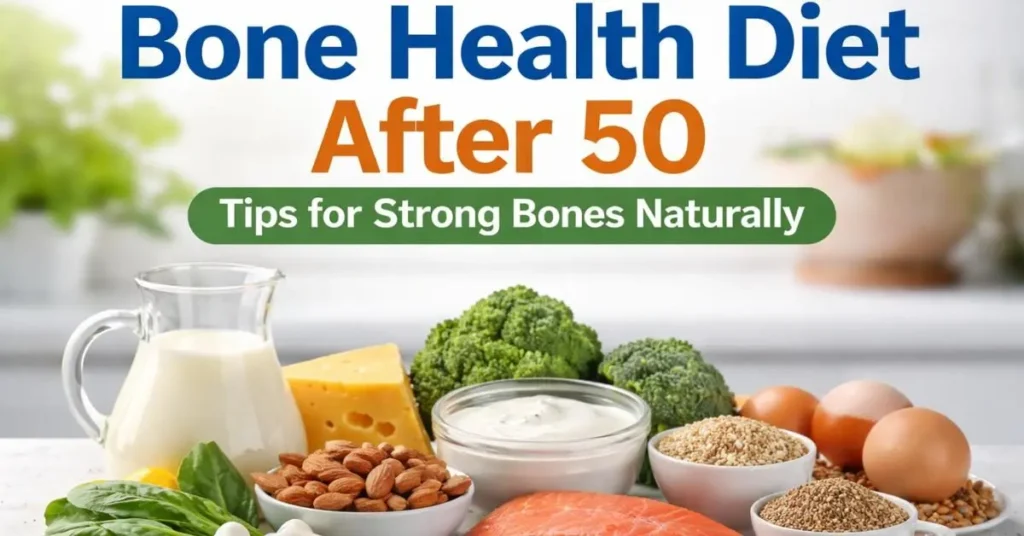
Dairy products like milk, curd, and paneer are among the best sources of calcium. For those who prefer plant-based options, ragi is a powerful alternative that is naturally rich in calcium.
Sesame seeds, almonds, and walnuts provide essential minerals and healthy fats that support bone density. Green leafy vegetables like spinach, methi, and kale offer a combination of calcium, magnesium, and vitamins.
Including these foods consistently in your diet can significantly improve bone strength over time.
Worried About Bone Strength After 50?
As you age, maintaining strong bones becomes essential to prevent fractures and weakness. A diet rich in calcium, vitamin D, and essential nutrients can support bone health and overall well-being. Get a personalised diet plan to keep your bones strong and healthy.
Get Your Bone Health Diet PlanIndian Superfoods That Naturally Strengthen Bones
One of the biggest advantages of an Indian diet is its natural richness in bone-friendly foods.
Ragi is often called a superfood for bone health due to its high calcium content. It can be consumed as roti, porridge, or dosa.
Curd is another essential addition that not only provides calcium but also improves gut health, which enhances nutrient absorption.
Sesame seeds are small but powerful, offering a rich source of calcium and magnesium. Adding them to your meals can make a noticeable difference.
These traditional foods are not just effective but also sustainable for long-term health.
Foods to Avoid for Better Bone Health
While adding the right foods is important, avoiding harmful ones is equally crucial.
Excess salt increases calcium loss from the body. High caffeine intake can interfere with calcium absorption. Soft drinks and processed foods weaken bones over time.
Sugar-rich diets contribute to inflammation, which negatively affects bone density.
Making conscious dietary choices can help protect your bones from unnecessary damage.
7-Day Practical Bone Health Diet Plan After 50
A structured diet plan helps you stay consistent and ensures balanced nutrition.
Start your day with warm milk or a calcium-rich smoothie. Include soaked almonds or seeds for added nutrients.
Breakfast options can include ragi dosa, vegetable oats, or poha with peanuts. Lunch should consist of dal, roti, green vegetables, and curd.
Evening snacks can include roasted chana or nuts. Dinner should be light but nutritious, including paneer, vegetables, or lean protein.
Repeating and rotating these meals throughout the week ensures your body gets a steady supply of essential nutrients.
Lifestyle Habits That Support Bone Health
A bone health diet after 50 works best when combined with healthy lifestyle habits.
Weight-bearing exercises like walking, yoga, and light strength training help improve bone density. Regular movement also reduces stiffness and improves balance.
Avoid smoking and limit alcohol consumption, as both can accelerate bone loss.
Maintaining a healthy weight is also important, as excess weight puts stress on bones while being underweight can reduce bone density.
Early Warning Signs of Weak Bones
Bone loss often goes unnoticed until it becomes severe. However, there are warning signs you should pay attention to.
Frequent back pain, reduced height, weak grip strength, and fractures from minor falls can indicate declining bone health.
Recognizing these signs early allows you to take corrective action before serious complications arise.
Expert Insight from Nutridate with Priyanka
At Nutridate with Priyanka, the focus is on personalized nutrition rather than generic advice. Every individual has unique dietary needs based on lifestyle, medical history, and body type.
A customized bone health diet after 50 can help address specific deficiencies and deliver better results.
The goal is not just to prevent disease but to improve overall quality of life, ensuring strength, mobility, and independence.
A Quick Recap
Your bones are the foundation of your body, and after 50, they need extra care and attention.
A well-balanced bone health diet after 50, combined with active lifestyle choices, can help you maintain strength, prevent fractures, and live confidently.
The sooner you start, the better your long-term results will be.
Worried About Bone Strength After 50?
As you age, maintaining strong bones becomes essential to prevent fractures and weakness. A diet rich in calcium, vitamin D, and essential nutrients can support bone health and overall well-being. Get a personalised diet plan to keep your bones strong and healthy.
Get Your Bone Health Diet PlanFrequently Asked Questions
The best bone health diet after 50 includes calcium-rich foods like milk, curd, paneer, ragi, and leafy greens, along with vitamin D, protein, magnesium, and vitamin K to support bone strength and density.
Foods that improve bone health after 50 include dairy products, sesame seeds, almonds, ragi, green vegetables, lentils, and fortified foods rich in calcium and vitamin D.
Adults above 50 should consume around 1000 to 1200 mg of calcium daily to maintain bone density and prevent bone loss.
Vitamin D helps your body absorb calcium effectively. Without enough vitamin D, your body cannot use calcium properly, leading to weaker bones.
Yes, bone density can be improved naturally with a proper bone health diet after 50, regular exercise, sunlight exposure, and healthy lifestyle habits.