Intermittent Fasting Indian Diet Plan for Weight Loss Guide
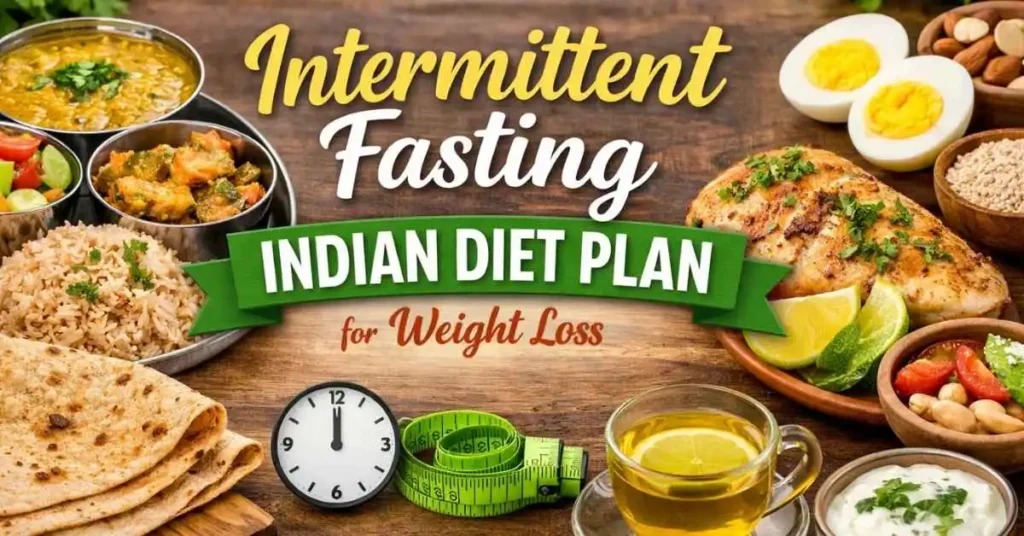
Intermittent fasting Indian diet is becoming one of the most effective and sustainable approaches for weight loss and overall health. Instead of focusing only on what to eat, it helps you understand when to eat and how to structure your meals according to your daily routine.
Many people struggle with weight gain, low energy, and slow metabolism due to irregular eating habits and poor food choices. These issues often come from repeating the same common weight loss mistakes such as overeating, frequent snacking, and lack of structure in meals.
A properly planned intermittent fasting Indian diet can help correct these problems by improving metabolism, balancing hormones, and supporting consistent fat loss without extreme dieting.
Trying Intermittent Fasting but Not Seeing Results?
Intermittent fasting can support weight loss and improve metabolism when done correctly. Choosing the right eating window, foods, and portion sizes is key to success. Get a personalised Indian diet plan designed to maximise results with intermittent fasting.
Get Your Intermittent Fasting Diet PlanWhat is Intermittent Fasting in the Indian Context
Intermittent fasting is an eating pattern where you cycle between fasting and eating windows. It does not eliminate Indian foods like roti, rice, dal, or sabzi. Instead, it organizes your meals into a fixed time frame.
The most commonly followed schedule is the 16:8 method:
- 16 hours fasting
- 8 hours eating
For example:
- First meal at 12 PM
- Last meal at 8 PM
During fasting, your body shifts from burning glucose to using stored fat as energy, which helps in weight loss and improves insulin sensitivity.
Why Intermittent Fasting Indian Diet Works
The Indian diet is naturally rich in carbohydrates, and when combined with frequent eating, it can lead to weight gain and poor metabolic health.
An intermittent fasting Indian diet works because it reduces unnecessary calorie intake and improves digestion. It also supports gut health when combined with the right food choices. A structured eating pattern becomes even more effective when you include foods that help improve gut health with Indian diet.
This approach allows your digestive system to rest and helps your body use stored fat more efficiently.
Best Intermittent Fasting Schedule for Indian Lifestyle
The most practical schedule for Indian routines is:
- Fasting from 8 PM to 12 PM
- Eating window from 12 PM to 8 PM
This aligns with daily work schedules and family meals. It also prevents late-night eating, which is a major cause of weight gain.
Beginners can start with a 14-hour fast and gradually increase to 16 hours.
Intermittent Fasting Indian Diet Plan
Morning Routine During Fasting
During fasting hours, avoid calorie intake. However, hydration is important.
You can have:
- Plain water
- Warm water
- Green tea
- Black coffee without sugar
Avoid milk tea, sugar, and packaged drinks.
First Meal (Lunch Around 12 PM)
Your first meal should be balanced and filling. It should follow the concept of a balanced Indian weight loss plate that includes protein, fiber, and controlled carbohydrates.
Example:
- 2 multigrain rotis or small portion of rice
- One bowl dal or paneer
- One bowl sabzi
- Salad
- Curd
Many people avoid carbs completely, but understanding can you eat rice and still lose weight helps build a sustainable diet instead of restrictive eating.
Evening Snack (Around 4 PM)
A light snack prevents overeating at dinner.
Options:
- Roasted chana
- Almonds or peanuts
- Seasonal fruits
- Buttermilk
Choosing the right snacks is important, and you can explore more healthy snacks for weight loss to maintain consistency.
Dinner (Before 8 PM)
Dinner should be lighter than lunch.
Options:
- Paneer or tofu with vegetables
- Grilled chicken or fish with salad
- Vegetable khichdi
- Soup with protein source
Heavy and fried foods should be avoided at night.
Trying Intermittent Fasting but Not Seeing Results?
Intermittent fasting can support weight loss and improve metabolism when done correctly. Choosing the right eating window, foods, and portion sizes is key to success. Get a personalised Indian diet plan designed to maximise results with intermittent fasting.
Get Your Intermittent Fasting Diet PlanVegetarian Intermittent Fasting Indian Diet
Vegetarians need to focus on protein intake to maintain muscle and improve fat loss.
Best sources:
- Paneer
- Tofu
- Lentils
- Chickpeas
- Sprouts
- Curd
Understanding proper protein intake for muscle growth helps improve results and keeps you full for longer.
Non Vegetarian Intermittent Fasting Indian Diet
Non-vegetarian diets provide high-quality protein that supports fat loss.
Best options:
- Eggs
- Chicken breast
- Fish
- Lean meat
Protein-rich meals help reduce cravings and maintain lean muscle mass.
7 Day Intermittent Fasting Indian Diet Plan
Day 1
Lunch with roti, dal, and sabzi. Snack with fruit and nuts. Dinner with paneer and vegetables.
Day 2
Lunch with brown rice and rajma. Snack with buttermilk. Dinner with soup and salad.
Day 3
Lunch with vegetable khichdi. Snack with roasted chana. Dinner with tofu and vegetables.
Day 4
Lunch with roti and chole. Snack with coconut water. Dinner with paneer salad.
Day 5
Lunch with rice, dal, and sabzi. Snack with nuts. Dinner with soup and vegetables.
Day 6
Lunch with roti and paneer bhurji. Snack with fruit. Dinner with light khichdi.
Day 7
Lunch with brown rice and vegetables. Snack with buttermilk. Dinner with salad and protein.
Benefits of Intermittent Fasting Indian Diet
Following an intermittent fasting Indian diet provides multiple benefits.
- Supports fat loss and reduces belly fat
- Improves digestion and metabolism
- Helps regulate blood sugar levels
- Improves energy and focus
Including high fiber foods for digestive health further enhances digestion and satiety.
Common Mistakes in Intermittent Fasting Indian Diet
Many people fail to get results because of avoidable mistakes.
They often repeat common mistakes that slow down fat loss such as overeating during the eating window, ignoring protein intake, or consuming sugar during fasting.
Other mistakes include:
- Not drinking enough water
- Eating too many refined carbs
- Being inconsistent with fasting timing
Lifestyle Factors That Affect Results
Diet alone is not enough. Lifestyle plays a major role in results.
Poor sleep can directly impact fat loss. Understanding why poor sleep blocks fat loss helps you improve overall results.
Managing hunger is also important. Learning how to reduce sugar cravings can make fasting much easier.
When You Need Expert Guidance
While intermittent fasting works for many people, results can vary based on body type, lifestyle, and health conditions.
If you want a customized plan, you can consider online dietitian consultation in India to get a personalized strategy based on your goals.
Trying Intermittent Fasting but Not Seeing Results?
Intermittent fasting can support weight loss and improve metabolism when done correctly. Choosing the right eating window, foods, and portion sizes is key to success. Get a personalised Indian diet plan designed to maximise results with intermittent fasting.
Get Your Intermittent Fasting Diet PlanFrequently Asked Questions
Intermittent fasting Indian diet is an eating pattern where you follow a fixed eating window and include balanced Indian meals like roti, dal, sabzi, rice, and protein-rich foods within that time.
Yes, intermittent fasting Indian diet is highly effective for weight loss when combined with proper portion control, balanced nutrition, and consistency in fasting hours.
The most effective schedule is 16:8, where you eat between 12 PM to 8 PM and fast for the remaining 16 hours. Beginners can start with a 14-hour fasting window.
Yes, you can eat rice in intermittent fasting Indian diet, but portion control is important. Choosing brown rice or limiting white rice helps improve results.
You should include roti, rice, dal, paneer, vegetables, fruits, nuts, and protein-rich foods like eggs or chicken. Focus on balanced meals instead of processed foods.