Weight Loss Stopped? Understand Why Progress Slows Naturally
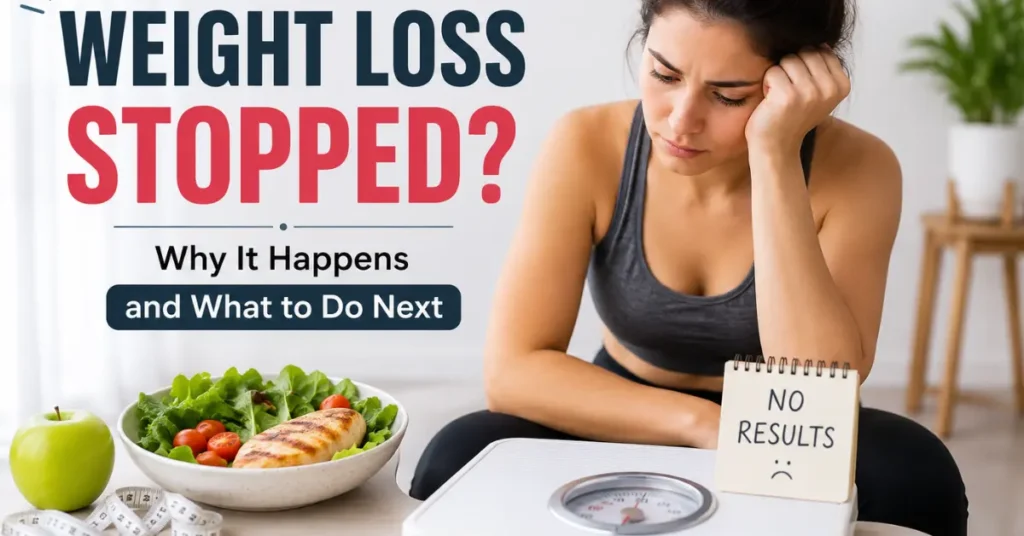
You made the changes you promised yourself you would make.
You started choosing healthier meals. You became more mindful of what goes on your plate. You reduced outside food, started preparing meals at home, and tried to stay consistent even on difficult days. In the beginning, the effort felt worth it because the results started showing. The scale moved, your routine felt easier to maintain, and you finally felt like your hard work was creating progress.
Then something changed.
Days passed and your weight stayed exactly the same.
You continued eating healthy. You continued trying. But the results that once felt visible suddenly slowed down or stopped completely.
This is usually the moment where frustration begins.
People start questioning whether healthy eating actually works. Some begin skipping meals. Others become stricter, cut entire food groups, or start looking for quick solutions because they assume they must not be doing enough.
But in many situations, when weight loss stopped, the issue is not lack of effort.
Often, your body and your routine are simply responding differently than they did in the beginning.
Understanding why this happens can help you make smarter decisions instead of more extreme ones.
Has Your Weight Loss Progress Suddenly Stopped?
Weight loss plateaus are common and can happen due to metabolism changes, eating patterns, stress, or lifestyle habits. Understanding why progress slows can help you make smarter adjustments and continue moving toward your goals. Get expert nutrition guidance with a personalised plan.
Restart Your Weight Loss Journey TodayWeight Loss Stopped Does Not Always Mean Something Is Wrong
One of the most important things to understand is that progress rarely happens in a straight line.
Many people expect that once they start eating healthy, results should continue at the same speed indefinitely. But the human body does not usually work that way.
During the early stage of lifestyle changes, improvements often feel faster. Meal choices become more intentional, routines improve, and changes feel noticeable.
As time passes, the body adjusts.
That adjustment is normal.
It does not automatically mean healthy eating stopped working.
It often means your current routine may need review instead of restriction.
The problem is that many people respond emotionally when progress slows. Instead of understanding what changed, they assume they must become more aggressive.
That reaction usually becomes difficult to maintain.
Eating Healthy and Losing Weight Are Related but Not Identical

This is where confusion commonly begins.
Healthy eating supports overall wellness, but body weight is influenced by more than food alone.
Sleep quality can affect routines.
Stress can influence meal timing.
Activity patterns can shift.
Portions can gradually increase.
Daily habits can change without becoming obvious.
Two people can eat very similar meals and still experience different outcomes depending on their overall lifestyle patterns.
That is why looking only at food rarely tells the complete story.
When weight loss stopped, it does not automatically mean healthy choices stopped helping.
It may simply mean other factors deserve attention too.
Sometimes Healthy Foods Quietly Become Larger Meals
Healthy foods are nutritious.
But nutritious and unlimited are not the same thing.
This is one of the reasons people feel confused when progress slows.
At the beginning of a routine, portions often feel intentional.
Over time, habits become comfortable.
An extra spoon here.
A slightly larger serving there.
More snacking between meals.
Small adjustments repeated daily may gradually change eating patterns without being obvious.
Foods commonly viewed as healthy can still become larger meals when eaten without awareness.
That does not mean healthy foods should be avoided.
It means healthy eating works best when paired with balance and routine.
Has Your Weight Loss Progress Suddenly Stopped?
Weight loss plateaus are common and can happen due to metabolism changes, eating patterns, stress, or lifestyle habits. Understanding why progress slows can help you make smarter adjustments and continue moving toward your goals. Get expert nutrition guidance with a personalised plan.
Restart Your Weight Loss Journey TodayDaily Habits Influence Progress More Than Single Meals
People often focus heavily on individual meals.
But long-term progress is usually shaped by patterns.
For example, someone may eat nutritious meals but stay seated for most of the day.
Someone else may sleep poorly and feel more tired throughout the week.
Another person may skip meals and eat larger amounts later.
Each habit seems small individually.
Together they create routines.
And routines influence results.
When progress slows, reviewing daily patterns often provides more useful information than trying to identify one perfect food.
Sleep and Stress Are Often Ignored During Weight Changes
Food receives most of the attention.
Recovery rarely does.
When sleep becomes inconsistent, maintaining routines can feel harder.
Stress may influence how meals are planned, when people eat, and how active they feel throughout the day.
Many people blame food first because food feels easiest to control.
But progress is often connected to the bigger picture.
Looking at lifestyle habits alongside nutrition creates a more realistic understanding.
The Scale Does Not Show Every Type of Progress
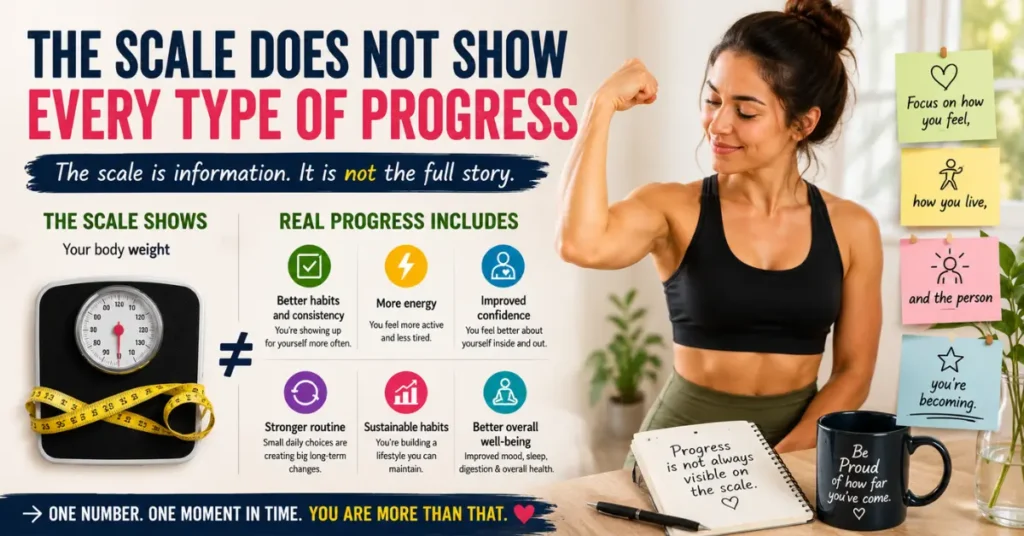
One of the hardest parts of slower progress is believing nothing is improving.
But body weight only reflects one measurement.
Changes in routine, consistency, energy levels, confidence, and sustainable habits also matter.
People often underestimate these improvements because they are focused only on numbers.
The scale is information.
It is not the full story.
What To Do If Weight Loss Stopped
Instead of becoming stricter, become more observant.
Look at your routines honestly.
Notice whether portions changed.
Notice whether daily movement changed.
Notice whether healthy eating slowly became automatic rather than intentional.
Focus on consistency instead of perfection.
Long-term progress is usually built through realistic habits repeated over time rather than dramatic changes that become difficult to maintain.
Has Your Weight Loss Progress Suddenly Stopped?
Weight loss plateaus are common and can happen due to metabolism changes, eating patterns, stress, or lifestyle habits. Understanding why progress slows can help you make smarter adjustments and continue moving toward your goals. Get expert nutrition guidance with a personalised plan.
Restart Your Weight Loss Journey TodayA Quick Recap
If your weight loss stopped, do not immediately assume your efforts failed.
Progress slowing down does not erase the healthy habits you created.
Bodies adapt.
Routines evolve.
Needs change over time.
Often the next stage of progress begins not by doing more, but by understanding more.
Creating a routine that feels realistic, balanced, and sustainable usually supports better long-term results than constantly trying to become stricter.
Frequently Asked Questions
If your weight loss stopped despite eating healthy, it does not always mean your efforts stopped working. Progress can slow because of changes in routine, portion sizes, meal patterns, daily movement, sleep quality, stress, or natural body adaptation over time. Looking at overall habits instead of focusing on one meal often gives a clearer picture.
Yes, slower progress after the initial phase is common. Many people notice faster changes at the beginning and then experience a period where results become slower or less visible. This does not automatically mean something is wrong. Long-term progress often includes phases of slower change.
Healthy eating does not usually stop working, but your body and routine may change over time. Healthy choices support overall wellness, but sustainable progress is also influenced by sleep, movement, meal structure, consistency, and lifestyle habits.
The duration can vary from person to person. Some people experience slower progress for a short period, while others may notice changes over several weeks. Instead of focusing only on speed, reviewing daily habits and consistency may be more helpful.
Becoming more restrictive is not always the best next step. Before reducing food further, it may help to review meal patterns, portion awareness, sleep, daily activity, and overall routine. Small sustainable adjustments are often easier to maintain than extreme changes.