Lose Weight Without Giving Up Indian Food: Complete Guide
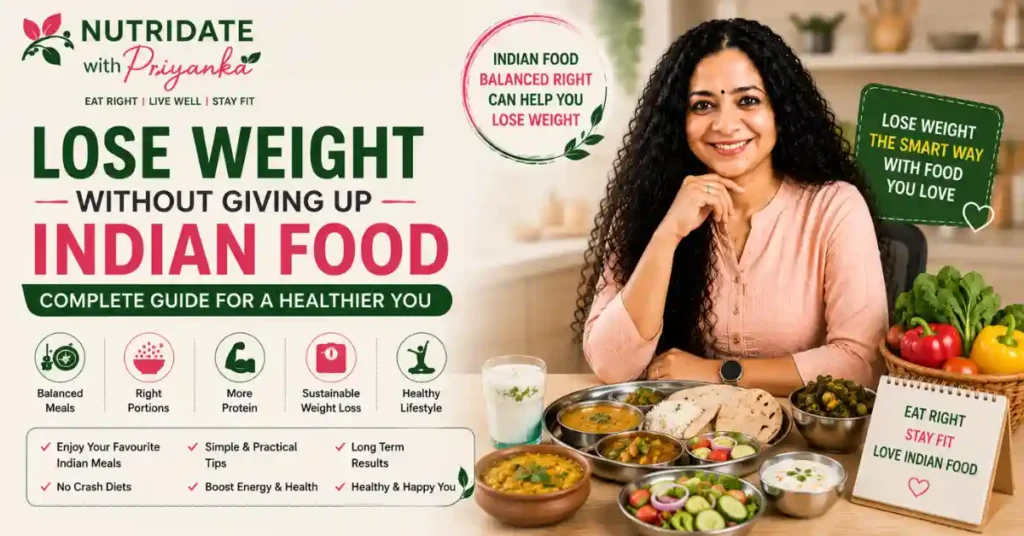
If you think you have to stop eating rice, roti, dal, or your favourite homemade meals to lose weight, think again. One of the biggest myths I hear is that Indian food causes weight gain. In reality, it is usually the way we eat, the portions we choose, and our daily habits that make the difference. I have helped many people lose weight without asking them to give up Indian food. My goal is always to help you build healthy eating habits that fit your lifestyle instead of forcing you to follow restrictive diets you cannot maintain.
Losing weight does not have to mean eating salads every day or avoiding traditional Indian meals. Indian cuisine offers a wide variety of nutritious foods that can support healthy weight loss when eaten in the right balance. In this guide, I will show you exactly how you can lose weight without giving up Indian food, what mistakes to avoid, and how to create a sustainable eating pattern that works for the long term.
Can You Lose Weight Without Giving Up Indian Food?
Yes, you absolutely can lose weight without giving up Indian food. Weight loss depends on maintaining a calorie deficit while meeting your body’s nutritional needs. Whether those calories come from rice, roti, dal, vegetables, or oats, the overall quality and quantity of your diet matter more than eliminating traditional foods.
One of the biggest misconceptions I come across is that people blame Indian food for weight gain. Homemade Indian meals are often rich in fibre, protein, vitamins, minerals, and healthy carbohydrates. The problem usually starts when meals become oversized, protein intake remains low, vegetables are limited, or fried snacks and sugary beverages become a daily habit.
Instead of removing foods you love, I teach my clients how to eat them in smarter portions while balancing every meal with protein, fibre, and healthy fats. This approach is not only easier to follow but also far more sustainable than extreme dieting.
According to the Harvard Healthy Eating Plate, filling half your plate with vegetables, one-quarter with quality protein, and one-quarter with whole grains or healthy carbohydrates is one of the simplest ways to improve overall nutrition while supporting weight management.
Want to Lose Weight Without Giving Up Your Favorite Indian Food?
You don’t have to stop eating roti, rice, or your favorite homemade meals to lose weight. With the right portions, balanced nutrition, and a personalized Indian diet plan, you can achieve sustainable weight loss while enjoying the foods you love. Start your healthy transformation today.
Get Your Personalized Indian Weight Loss Diet PlanCommon myths about Indian food
| Myth | Reality |
|---|---|
| Rice causes weight gain | Excess calories cause weight gain, not rice alone. |
| Roti should be avoided | Whole wheat roti can be part of a balanced diet. |
| Fat loss requires eating only salads | Balanced Indian meals work just as well. |
| Carbohydrates must be eliminated | Your body needs carbohydrates for energy. |
| Healthy food has to be bland | Indian spices make healthy meals flavourful without adding many calories. |
Skimmable Summary
You do not need to stop eating Indian food to lose weight. Balanced portions, higher protein intake, more vegetables, and mindful eating are far more effective than avoiding rice or roti completely.
Why Do Most Indian Weight Loss Diets Fail?
Many people start their weight loss journey with enthusiasm but struggle to continue after a few weeks. In my experience, this happens because the diet feels restrictive rather than realistic.
Treating Foods as Good or Bad
When people label foods as “allowed” and “not allowed,” they often feel guilty after eating their favourite meals. That guilt can lead to overeating, emotional eating, or giving up completely.
Instead of thinking in extremes, I encourage a balanced mindset. Every food can have a place in your diet when portions and frequency are managed wisely.
Ignoring Portion Sizes
Even healthy foods can contribute to weight gain if portion sizes are much larger than your body’s requirements.
For example, eating four large rotis with very little protein and vegetables is very different from eating two rotis with dal, paneer, salad, and curd.
Not Eating Enough Protein
Protein helps keep you full for longer and supports muscle maintenance during weight loss. Many Indian diets rely heavily on carbohydrates while falling short on protein.
Adding foods like paneer, curd, lentils, sprouts, eggs, tofu, fish, or chicken to every meal can make a significant difference.
Depending on Short-Term Diets
Juices, detox drinks, crash diets, and meal skipping may produce quick results, but they are rarely sustainable. Most people regain the lost weight because they return to their old eating habits.
Healthy weight loss comes from building habits that you can continue for years, not just for a few weeks.
Habits That Slow Down Weight Loss
| Habit | Impact | Better Alternative |
|---|---|---|
| Skipping breakfast | Increased hunger later | Eat a balanced breakfast with protein |
| Frequent fried snacks | Higher calorie intake | Roasted snacks or fruit with nuts |
| Sugary beverages | Empty calories | Water, buttermilk, lemon water |
| Eating too fast | Overeating | Eat slowly and mindfully |
| Weekend binge eating | Cancels weekly progress | Practice portion control consistently |
Skimmable Summary
Most Indian weight loss diets fail because they focus on restriction instead of sustainability. Building balanced meals, improving protein intake, and controlling portions lead to better long-term results than crash diets.
How Can You Lose Weight While Eating Indian Food Every Day?
The best weight loss plan is the one you can realistically follow. I never ask someone to completely remove traditional Indian foods because doing so often creates unnecessary frustration.
Instead, I focus on improving the quality and balance of every meal.
Step 1: Build a Balanced Plate
Aim to divide your plate into simple sections:
- Half vegetables
- One-quarter protein
- One-quarter whole grains or healthy carbohydrates
This naturally increases fibre and protein while keeping calories under control.
Step 2: Include Protein in Every Meal
Protein improves satiety and supports muscle health.
Good Indian protein sources include:
- Dal
- Rajma
- Chana
- Paneer
- Greek yogurt
- Eggs
- Fish
- Chicken
- Soy products
Step 3: Do Not Fear Carbohydrates
Carbohydrates provide energy for your brain and muscles. Instead of eliminating them, choose appropriate portions and combine them with protein and vegetables.
Whole wheat roti, brown rice, millet, quinoa, and traditional grains can all fit into a healthy eating pattern.
Step 4: Eat More Vegetables
Vegetables increase meal volume without adding many calories. They also provide vitamins, minerals, antioxidants, and fibre that support digestion and overall health.
Try including cooked vegetables, salads, soups, or mixed sabzis with both lunch and dinner.
Step 5: Practice Mindful Eating
Many people eat while watching television or scrolling through their phones. This often leads to overeating because the brain does not fully register fullness.
Slow down, chew properly, and pay attention to your hunger and fullness cues.
Step 6: Stay Physically Active
Nutrition is essential, but movement also plays an important role. Walking, strength training, yoga, cycling, or any activity you enjoy can support healthy weight loss when combined with balanced eating.
Want to Lose Weight Without Giving Up Your Favorite Indian Food?
You don’t have to stop eating roti, rice, or your favorite homemade meals to lose weight. With the right portions, balanced nutrition, and a personalized Indian diet plan, you can achieve sustainable weight loss while enjoying the foods you love. Start your healthy transformation today.
Get Your Personalized Indian Weight Loss Diet PlanThe Ideal Indian Weight Loss Plate
| Food Group | Portion |
|---|---|
| Vegetables | 50% |
| Protein | 25% |
| Whole grains or carbohydrates | 25% |
| Healthy fats | Small amount |
| Water | With every meal |
Skimmable Summary
You can lose weight while eating Indian food every day by balancing your meals with vegetables, protein, healthy carbohydrates, mindful eating, and regular physical activity instead of following restrictive diets.
Which Indian Foods Actually Help You Lose Weight?
One of the biggest surprises for many people is that several everyday Indian foods naturally support weight loss. You don’t need imported “superfoods” or expensive diet products. Your kitchen probably already has everything you need.
The secret is choosing foods that are rich in protein, fibre, and essential nutrients while keeping portion sizes balanced.
Best Indian Breakfast Options for Weight Loss
Breakfast should keep you full, energised, and reduce unnecessary snacking later in the day. I always recommend including protein along with complex carbohydrates and fibre.
Some of my favourite breakfast options include:
- Vegetable besan chilla with curd
- Moong dal chilla stuffed with paneer
- Vegetable oats upma
- Idli with sambar
- Poha with peanuts and sprouts
- Vegetable dalia
- Boiled eggs with whole wheat toast
- Greek yogurt with fruits and seeds
Best Indian Lunch Options
Lunch should be balanced instead of heavy. A combination of vegetables, protein, and controlled portions of carbohydrates works best.
Examples include:
- Two whole wheat rotis with dal, mixed vegetables, and salad
- Brown rice with rajma and cucumber salad
- Grilled chicken with sautéed vegetables
- Millet khichdi with curd
- Paneer bhurji with roti and vegetables
Healthy Evening Snacks
Most people struggle with evening cravings. Instead of reaching for fried snacks, choose foods that provide protein and fibre.
Healthy snack ideas include:
- Roasted chana
- Fruit with a handful of nuts
- Sprouts chaat
- Buttermilk
- Makhana roasted with spices
- Boiled corn
- Homemade vegetable soup
Healthy Dinner Choices
Dinner doesn’t need to be extremely light, but it should be balanced and easy to digest.
Good options include:
- Vegetable soup with grilled paneer
- Dal with one roti and vegetables
- Stir-fried tofu with vegetables
- Fish curry with sautéed vegetables
- Chicken and vegetable stew
Weight Loss-Friendly Indian Foods
| Food | Why It Helps |
|---|---|
| Dal | Rich in protein and fibre |
| Paneer | High-quality protein |
| Sprouts | Keeps you full longer |
| Curd | Supports gut health and protein intake |
| Oats | High in soluble fibre |
| Millets | Rich in fibre and micronutrients |
| Vegetables | Low calorie and nutrient-dense |
| Fruits | Natural sweetness with fibre |
Skimmable Summary
Many traditional Indian foods naturally support weight loss. Instead of avoiding Indian meals, focus on choosing balanced combinations of protein, vegetables, whole grains, and healthy snacks.
Which Popular Indian Foods Should You Eat Less Often?
Notice that I say “eat less often” instead of “never eat.” Completely banning your favourite foods usually makes them more tempting.
Weight loss is about balance, not perfection.
Fried Snacks
Samosas, pakoras, kachoris, and bhature are delicious, but frequent consumption can significantly increase calorie intake because of the oil used during cooking.
Instead of eating them daily, enjoy them occasionally and keep portions moderate.
Sugary Drinks
Soft drinks, packaged juices, sweet lassi, flavoured milk, and sugary tea or coffee often add calories without keeping you full.
Water, lemon water, coconut water, and buttermilk are better everyday choices.
Restaurant Gravies
Many restaurant curries contain more oil, cream, butter, and sodium than homemade meals.
Cooking similar dishes at home gives you much better control over ingredients.
Bakery Foods
Cookies, cakes, pastries, and cream biscuits are usually high in refined flour, sugar, and unhealthy fats.
Enjoy them occasionally instead of making them a daily habit.
Better Food Swaps
| Instead Of | Try This |
|---|---|
| Potato chips | Roasted makhana |
| Soft drinks | Lemon water |
| Cream biscuits | Fruit with nuts |
| Deep-fried snacks | Roasted chana |
| Ice cream | Greek yogurt with fruit |
Skimmable Summary
You don’t have to eliminate your favourite foods forever. Reducing the frequency of highly processed, fried, and sugary foods creates a healthier eating pattern without making you feel deprived.
Want to Lose Weight Without Giving Up Your Favorite Indian Food?
You don’t have to stop eating roti, rice, or your favorite homemade meals to lose weight. With the right portions, balanced nutrition, and a personalized Indian diet plan, you can achieve sustainable weight loss while enjoying the foods you love. Start your healthy transformation today.
Get Your Personalized Indian Weight Loss Diet PlanCan You Eat Rice, Roti, and Paratha During Weight Loss?
This is probably the question I answer most often.
The simple answer is yes.
Neither rice nor roti causes weight gain by itself. Weight gain happens when total calorie intake consistently exceeds your body’s needs.
Is Rice Bad for Weight Loss?
No.
Rice is an excellent source of carbohydrates that provides energy. Portion size matters much more than whether you choose white or brown rice.
Pair rice with dal, vegetables, and protein to create a balanced meal.
Can You Eat Roti While Losing Weight?
Absolutely.
Whole wheat roti contains fibre, vitamins, and minerals. Instead of avoiding roti, pay attention to how many you eat and what you eat with them.
Two rotis with dal, vegetables, and salad are usually much more balanced than four rotis with potato curry alone.
What About Paratha?
Parathas can also fit into a healthy diet.
The difference lies in preparation.
A homemade stuffed paratha cooked with minimal oil and served with curd is very different from a heavily buttered restaurant paratha.
Rice vs Roti
| Rice | Roti |
|---|---|
| Naturally gluten-free | Higher fibre when made from whole wheat |
| Easy to digest | Keeps many people fuller longer |
| Good source of energy | Good combination of carbohydrates and fibre |
Neither is superior for everyone. The right choice depends on your preferences, activity level, and overall meal balance.
Skimmable Summary
Rice, roti, and even parathas can be part of a healthy weight loss plan. Portion control, cooking methods, and balanced meals matter far more than eliminating traditional carbohydrates.
What Does a Simple Indian Weight Loss Day Look Like?
Many people ask me for a realistic meal pattern instead of a restrictive diet chart.
Here is an example of a balanced day.
| Time | Meal |
|---|---|
| Morning | Warm water and a short walk |
| Breakfast | Moong dal chilla with curd |
| Mid-morning | One seasonal fruit |
| Lunch | Two rotis, dal, mixed vegetables, salad |
| Evening Snack | Roasted chana with buttermilk |
| Dinner | Paneer with vegetables and one roti |
| After Dinner | Herbal tea if needed |
This is only an example. Every person’s calorie requirements, medical conditions, lifestyle, and goals are different. That’s why personalised nutrition works much better than copying someone else’s diet plan.
Skimmable Summary
A healthy Indian weight loss day includes balanced meals, regular eating intervals, protein at every meal, vegetables, and controlled portions instead of starvation or detox diets.
What Are the Biggest Mistakes People Make While Trying to Lose Weight?
I often meet people who have tried multiple diets but still struggle to lose weight. In most cases, the issue is not a lack of effort. It is following habits that are difficult to maintain or relying on misinformation.
Skipping Meals
Many people believe eating less automatically leads to weight loss. In reality, skipping meals can leave you extremely hungry later in the day, making it easier to overeat or choose unhealthy snacks.
I recommend eating balanced meals at regular intervals instead of starving yourself.
Eating Too Little Protein
Protein is one of the most important nutrients during weight loss. It helps preserve muscle, supports recovery, and keeps you feeling full for longer.
If every meal mainly consists of rice or roti with very little protein, hunger often returns much sooner.
Following Social Media Diet Trends
Every week, there seems to be a new trend claiming to be the fastest way to lose weight. Detox juices, miracle teas, one-food diets, and extreme fasting plans may sound attractive, but they rarely provide lasting results.
I always encourage focusing on evidence-based nutrition instead of viral trends.
Ignoring Sleep and Stress
Weight management is not only about food. Poor sleep and chronic stress can influence hunger hormones, increase cravings, and make it more difficult to stay consistent.
Aiming for quality sleep and managing stress through exercise, meditation, or hobbies can support your overall progress.
Expecting Quick Results
Healthy weight loss takes time. Trying to lose weight too quickly often leads to frustration and unsustainable habits.
Instead of chasing rapid results, celebrate small improvements like better energy levels, improved eating habits, and consistent physical activity.
Common Mistakes and Better Approaches
| Mistake | Better Approach |
|---|---|
| Skipping meals | Eat balanced meals regularly |
| Avoiding all carbohydrates | Practice portion control |
| Drinking calories | Choose water or unsweetened beverages |
| No strength training | Include resistance exercises 2–3 times a week |
| Following fad diets | Focus on sustainable lifestyle changes |
| Eating very little | Meet your nutritional requirements |
Skimmable Summary
Weight loss becomes easier when you stop chasing shortcuts. Balanced nutrition, regular meals, adequate protein, quality sleep, and consistent physical activity are far more effective than restrictive diets.
When Should You Consult a Dietitian Instead of Following Internet Diets?
General nutrition advice can be helpful, but it cannot replace personalised guidance when your health needs are unique.
I strongly recommend consulting a qualified dietitian if you have:
- PCOS
- Diabetes
- Thyroid disorders
- Fatty liver
- High cholesterol
- High blood pressure
- Digestive disorders
- Obesity
- Menopause-related weight gain
- Food allergies or intolerances
Your nutrition plan should consider your medical history, medications, lifestyle, food preferences, work schedule, and health goals. A personalised approach is usually more effective and easier to maintain than a generic diet chart downloaded from the internet.
If you’re looking for personalised guidance, you can also explore my Weight Loss Nutrition Program or learn more about my approach through the About Priyanka page on Nutridate With Priyanka.
Skimmable Summary
If you have a medical condition or have struggled with repeated weight loss attempts, personalised nutrition guidance can help you achieve healthier and more sustainable results.
Want to Lose Weight Without Giving Up Your Favorite Indian Food?
You don’t have to stop eating roti, rice, or your favorite homemade meals to lose weight. With the right portions, balanced nutrition, and a personalized Indian diet plan, you can achieve sustainable weight loss while enjoying the foods you love. Start your healthy transformation today.
Get Your Personalized Indian Weight Loss Diet PlanHow Can You Lose Weight Without Giving Up Indian Food for Life?
If there is one message I want you to remember, it is this:
You do not need to choose between enjoying Indian food and achieving your health goals.
The people who maintain their weight loss for years are rarely the ones who followed the strictest diet. They are usually the ones who learned how to build balanced meals, understand portion sizes, stay active, and enjoy their favourite foods without guilt.
I never believe in asking someone to completely stop eating rice, roti, dal, or traditional family meals. Instead, I focus on helping you make small, realistic improvements that fit your lifestyle.
Healthy eating should feel natural, enjoyable, and sustainable. When you stop treating food as your enemy and start building better habits, weight loss becomes much easier to maintain.
Remember, your goal is not just to lose weight. It is to build a healthier relationship with food that lasts for life.
Final Skimmable Summary
You can lose weight without giving up Indian food by focusing on balanced meals, portion control, adequate protein, vegetables, regular physical activity, and consistent habits. Sustainable lifestyle changes will always outperform restrictive diets.
Frequently Asked Questions
Yes. You can lose weight while continuing to eat Indian food as long as your meals are balanced and you maintain a calorie deficit.
I have worked with many people who successfully lost weight without removing rice or roti from their diet. Instead of banning foods, I help them improve portions, increase protein intake, and build healthier habits they can maintain long term.
No. Rice is not bad for weight loss.
Rice is a source of carbohydrates that provides energy. The key is eating an appropriate portion and pairing it with vegetables and protein instead of consuming large quantities on its own.
There is no fixed number for everyone.
The right portion depends on your calorie needs, activity level, age, and health goals. For many people, one or two rotis combined with vegetables and protein can fit comfortably into a balanced meal.
A breakfast rich in protein and fibre is usually the best choice.
Options like moong dal chilla, vegetable besan chilla, oats upma, sprouts, idli with sambar, or Greek yogurt with fruit can help you stay full and reduce unnecessary snacking later in the day.
Yes.
Completely avoiding sweets often makes cravings stronger. Enjoying a small portion occasionally while maintaining an overall balanced diet is a much more sustainable approach.