Corporate Wellness Trends in India 2026
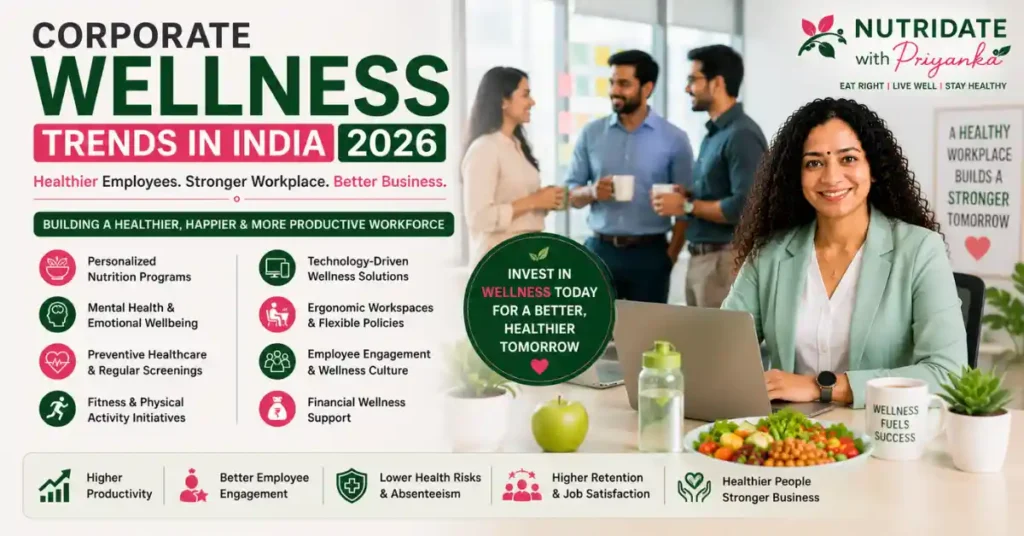
Employee wellbeing is no longer just an HR initiative-it has become a strategic business priority. In 2026, organizations across India are redefining workplace wellness by focusing on preventive healthcare, balanced nutrition, mental wellbeing, stress management, and healthier work environments. Companies now recognize that investing in employee health is directly linked to higher productivity, stronger engagement, improved retention, and long-term business success.
The modern workplace has changed significantly over the last few years. Hybrid work models, increasing work pressure, sedentary lifestyles, and rising lifestyle disorders such as obesity, diabetes, hypertension, thyroid disorders, and stress-related illnesses have highlighted the need for comprehensive wellness strategies. Employees today expect more than traditional health insurance; they seek personalized wellness programs that support their physical, mental, emotional, and nutritional wellbeing.
Corporate wellness in India is evolving beyond annual health check-ups and occasional fitness sessions. Organizations are integrating technology, personalized nutrition, mental health support, preventive healthcare, AI-powered wellness platforms, flexible work policies, and employee engagement initiatives into their workplace culture.
Whether you are an HR leader, business owner, startup founder, or employee looking to understand the future of workplace wellbeing, this comprehensive guide explores the latest corporate wellness trends in India for 2026, why they matter, and how organizations can build healthier, happier, and more productive teams.
What Is Corporate Wellness?
Corporate wellness refers to a structured approach that helps employees improve their overall health through programs, policies, and workplace initiatives. These programs go beyond physical fitness and include nutrition, mental wellbeing, preventive healthcare, stress management, financial wellness, sleep health, ergonomics, and work-life balance.
A successful corporate wellness program encourages healthier lifestyle choices while creating a supportive work environment where employees can thrive personally and professionally.
Today’s organizations understand that healthy employees are more productive, motivated, innovative, and engaged. Corporate wellness is no longer viewed as an employee benefit-it is an investment in business growth.
Want to Build a Healthier and More Productive Workplace?
Stay ahead with the latest Corporate Wellness Trends in India 2026. From personalized nutrition programs and preventive health initiatives to employee wellbeing strategies, investing in workplace wellness can improve productivity, reduce absenteeism, and create a healthier workforce. Get expert nutrition solutions tailored for your organization.
Book a Corporate Wellness ConsultationWhy Corporate Wellness Is More Important Than Ever in 2026
The workplace has transformed rapidly over the past decade. Longer screen time, remote work, unhealthy eating habits, lack of physical activity, and increased stress have contributed to a rise in lifestyle-related health conditions among working professionals.
According to global workplace health reports, organizations investing in employee wellbeing experience benefits such as improved productivity, lower absenteeism, reduced healthcare costs, higher employee engagement, and stronger retention rates. Preventive wellness initiatives also help employees identify health risks early, reducing the long-term burden of chronic diseases.
In India, businesses are increasingly recognizing that wellness is not limited to gym memberships or annual health camps. Employees now expect personalized nutrition guidance, mental health resources, flexible work policies, healthy cafeteria options, wellness education, and digital tools that support healthier daily habits.
As competition for skilled talent continues to grow, companies offering comprehensive wellness programs gain a significant advantage in attracting and retaining top performers.
Top Corporate Wellness Trends in India 2026
1. Personalized Nutrition Programs Become a Workplace Priority
One of the biggest shifts in corporate wellness is the growing emphasis on personalized nutrition. Organizations are moving away from generic dietary advice and investing in customized nutrition plans that address the unique health needs of employees.
Poor eating habits are one of the leading contributors to fatigue, reduced concentration, obesity, diabetes, digestive disorders, and decreased workplace productivity. A one-size-fits-all diet cannot address the diverse nutritional requirements of today’s workforce.
Personalized nutrition programs consider an individual’s age, gender, health goals, medical history, activity levels, food preferences, and work schedule. Employees receive tailored guidance that helps them make healthier food choices while managing existing health conditions.
Organizations are partnering with qualified nutritionists to provide:
- Individual nutrition consultations
- Healthy meal planning
- Weight management programs
- Diabetes nutrition support
- PCOS-friendly diet guidance
- Heart-healthy eating plans
- Gut health improvement strategies
- Healthy office cafeteria recommendations
Businesses that prioritize nutrition often notice improvements in employee energy levels, concentration, morale, and overall workplace performance.
Expert Insight
Good nutrition is not simply about reducing weight. It supports cognitive performance, strengthens immunity, enhances mood, and reduces the risk of lifestyle diseases that commonly affect working professionals.
2. Mental Health Support Moves to the Center of Workplace Wellness
Mental wellbeing has become one of the most important pillars of corporate wellness in India. High workloads, constant connectivity, tight deadlines, financial pressures, and hybrid work challenges have significantly increased stress and burnout among employees.
Forward-thinking organizations are normalizing conversations around mental health and creating psychologically safe workplaces where employees feel comfortable seeking support.
Modern corporate wellness programs now include:
- Professional counselling services
- Stress management workshops
- Mindfulness and meditation sessions
- Burnout prevention programs
- Emotional resilience training
- Manager awareness training
- Employee Assistance Programs (EAPs)
A healthy workplace culture recognizes that mental wellbeing directly influences collaboration, creativity, productivity, and employee satisfaction.
3. Preventive Healthcare Replaces Reactive Healthcare
Instead of waiting for employees to become ill, organizations are focusing on prevention.
Preventive healthcare helps identify health risks before they develop into serious medical conditions. Regular screenings, health assessments, vaccination drives, and lifestyle coaching allow employees to take proactive steps toward better health.
Preventive wellness initiatives often include:
- Annual health screenings
- Blood sugar monitoring
- Blood pressure checks
- Cholesterol testing
- BMI assessments
- Thyroid screening
- Nutritional risk assessments
- Lifestyle counselling
Early detection reduces healthcare costs while improving long-term employee wellbeing.
Want to Build a Healthier and More Productive Workplace?
Stay ahead with the latest Corporate Wellness Trends in India 2026. From personalized nutrition programs and preventive health initiatives to employee wellbeing strategies, investing in workplace wellness can improve productivity, reduce absenteeism, and create a healthier workforce. Get expert nutrition solutions tailored for your organization.
Book a Corporate Wellness Consultation4. AI-Powered Wellness Platforms Are Transforming Employee Care
Artificial Intelligence is reshaping corporate wellness by making health support more personalized, accessible, and data-driven.
AI-powered wellness platforms can recommend healthier habits based on an employee’s lifestyle, activity levels, sleep patterns, nutrition, and health goals. These platforms provide real-time insights, reminders, wellness challenges, and personalized recommendations that keep employees engaged.
Some organizations are integrating AI with wearable devices to monitor physical activity, sleep quality, hydration, and stress levels. This data helps employees build sustainable healthy habits while enabling employers to design more effective wellness initiatives.
As technology continues to evolve, AI will play a major role in delivering personalized and scalable corporate wellness programs.
5. Flexible Work Policies That Support Employee Wellbeing
Flexible work arrangements continue to shape workplace wellness in 2026. Employees increasingly value organizations that prioritize work-life balance and trust-based work cultures.
Flexible schedules, hybrid work models, wellness leave, mental health days, and outcome-based performance management help employees manage both professional and personal responsibilities more effectively.
Organizations that promote flexibility often experience:
- Higher employee satisfaction
- Reduced burnout
- Better productivity
- Increased retention
- Stronger employer branding
However, flexibility must be supported by healthy work practices. Employers should encourage regular breaks, ergonomic workstations, digital wellbeing, and clear work-life boundaries to prevent overwork.
6. Financial Wellness Is Becoming an Essential Part of Employee Wellbeing
Financial stress has emerged as one of the biggest hidden challenges affecting employee productivity. Rising living costs, loan repayments, family responsibilities, and inflation have increased financial anxiety among working professionals across India. Even high-performing employees often struggle to concentrate when they are worried about their finances.
Recognizing this, organizations are expanding their corporate wellness programs beyond physical and mental health to include financial wellbeing. Modern employers understand that employees who feel financially secure are more focused, motivated, and engaged at work.
Financial wellness initiatives in 2026 include salary planning workshops, retirement planning sessions, tax-saving guidance, budgeting education, emergency savings awareness, insurance literacy, and one-on-one financial counselling. These programs help employees make informed financial decisions, reduce stress, and improve overall quality of life.
Financial wellness is no longer viewed as a personal matter alone-it is increasingly becoming a business strategy that supports employee satisfaction, retention, and long-term performance.
7. Women’s Health Is Receiving Greater Attention in Workplace Wellness
Women make up a significant portion of India’s workforce, yet many workplace wellness programs have traditionally overlooked their unique health needs. In 2026, organizations are taking a more inclusive approach by introducing wellness initiatives specifically designed to support women’s health throughout different life stages.
These programs address concerns such as menstrual health, PCOS, pregnancy nutrition, postpartum recovery, menopause, bone health, iron deficiency, thyroid disorders, and emotional wellbeing. Employers are also introducing flexible work arrangements, maternal health support, breastfeeding-friendly workplaces, and wellness consultations with healthcare professionals.
Supporting women’s health benefits both employees and organizations. It reduces absenteeism, improves workplace engagement, strengthens diversity initiatives, and creates a healthier, more inclusive work culture where employees feel valued and supported.
8. Gut Health Is Emerging as a Workplace Productivity Booster
Healthy digestion has become one of the fastest-growing topics in corporate wellness. Research continues to show that gut health influences immunity, energy levels, concentration, mood, and overall wellbeing.
Long working hours, irregular eating habits, processed foods, excessive caffeine, dehydration, and high stress can negatively affect digestive health. Employees experiencing digestive discomfort often report lower energy, reduced productivity, and difficulty maintaining focus throughout the workday.
Companies are now encouraging healthier eating habits by offering balanced meal options, healthy snacks, hydration stations, nutrition awareness sessions, and personalized dietary consultations. Educational campaigns around fibre intake, probiotic-rich foods, hydration, and mindful eating are helping employees build sustainable habits that improve both digestive health and workplace performance.
Organizations that invest in nutrition-focused wellness programs often notice measurable improvements in employee energy, attendance, and overall job satisfaction.
9. Sleep Wellness Is Becoming a Business Priority
Sleep is one of the most overlooked aspects of employee health. Yet inadequate sleep affects memory, decision-making, creativity, concentration, emotional resilience, and physical health.
Late-night work, excessive screen exposure, irregular schedules, and workplace stress have contributed to poor sleep quality among many professionals. Fatigued employees are more likely to experience burnout, make errors, and have lower productivity.
Progressive organizations are encouraging healthier sleep habits through wellness education, flexible schedules, digital detox initiatives, and awareness campaigns on sleep hygiene. Some companies are even integrating sleep tracking into their wellness platforms to help employees understand and improve their sleep patterns.
A well-rested workforce is more alert, engaged, innovative, and capable of delivering consistent performance.
10. Workplace Fitness Is Evolving Beyond Traditional Gym Memberships
Corporate fitness is no longer limited to discounted gym memberships or annual sports events. Organizations are recognizing that employees have different fitness preferences and lifestyles, making personalized and flexible wellness options more effective.
Modern workplace fitness initiatives include guided yoga sessions, stretching breaks, walking challenges, virtual fitness classes, desk exercises, strength training workshops, and wearable fitness technology. Companies are also encouraging employees to reduce prolonged sitting by promoting movement throughout the workday.
Rather than focusing solely on weight loss, today’s fitness programs emphasize long-term health, mobility, posture, flexibility, cardiovascular fitness, and injury prevention.
When employees stay physically active, organizations benefit from improved morale, reduced absenteeism, and increased workplace productivity.
11. Healthy Office Cafeterias Are Transforming Workplace Nutrition
Food choices at work directly influence employee health, energy, and productivity. Organizations are therefore redesigning workplace cafeterias to promote healthier eating habits instead of relying on calorie-dense, processed meals.
Healthy workplace cafeterias now offer balanced meal options that include whole grains, lean proteins, seasonal fruits, vegetables, healthy fats, and nutritious snacks. Many organizations are reducing sugary beverages while increasing access to fresh juices, infused water, and healthier alternatives.
Nutrition labelling, portion guidance, allergen information, and healthier menu planning empower employees to make informed food choices during their workday.
Collaborating with qualified nutritionists helps organizations create meal plans that support both employee wellbeing and long-term health goals.
Want to Build a Healthier and More Productive Workplace?
Stay ahead with the latest Corporate Wellness Trends in India 2026. From personalized nutrition programs and preventive health initiatives to employee wellbeing strategies, investing in workplace wellness can improve productivity, reduce absenteeism, and create a healthier workforce. Get expert nutrition solutions tailored for your organization.
Book a Corporate Wellness Consultation12. Wellness Challenges and Gamification Increase Employee Participation
One of the biggest challenges organizations face is maintaining employee engagement in wellness initiatives. To address this, companies are using gamification to make healthy habits more enjoyable and motivating.
Gamified wellness programs include step-count competitions, hydration challenges, healthy eating contests, mindfulness streaks, cycling events, fitness leaderboards, and team-based wellness activities. Employees earn points, badges, rewards, or recognition for participating in healthy behaviours.
These initiatives encourage friendly competition, strengthen team bonding, and help employees remain motivated over longer periods. When wellness feels interactive and rewarding, participation rates increase significantly.
13. Leadership Is Driving Workplace Wellness Culture
Successful wellness programs begin at the leadership level. Employees are more likely to adopt healthy habits when business leaders actively demonstrate their commitment to wellbeing.
Organizations are encouraging managers and senior executives to participate in wellness initiatives, promote healthy work practices, support flexible schedules, and normalize conversations around mental health.
Leadership training now includes topics such as emotional intelligence, stress management, empathetic communication, burnout prevention, and psychological safety. These skills enable managers to create healthier teams and stronger workplace relationships.
When wellness becomes part of organizational culture rather than a standalone HR initiative, its long-term impact becomes much more meaningful.
Measuring the Success of Corporate Wellness Programs
A successful wellness strategy should be continuously evaluated to understand its impact on employees and the organization. Measuring outcomes allows businesses to improve programs, allocate resources effectively, and demonstrate return on investment.
Some of the most valuable performance indicators include:
| Key Metric | Why It Matters |
|---|---|
| Employee Participation Rate | Measures engagement in wellness initiatives |
| Absenteeism | Indicates improvements in employee health |
| Employee Retention | Reflects workplace satisfaction and loyalty |
| Healthcare Costs | Shows long-term financial benefits of preventive care |
| Productivity Levels | Measures business performance improvements |
| Employee Satisfaction Scores | Evaluates workplace wellbeing culture |
| Burnout Levels | Assesses effectiveness of mental health initiatives |
| Health Risk Assessments | Tracks overall employee health improvements |
Organizations that regularly monitor these indicators are better equipped to refine their wellness strategies and maximize long-term value.
Expert Insight from Nutridate with Priyanka
At Nutridate with Priyanka, we believe that nutrition is one of the most powerful yet underutilized pillars of corporate wellness. A balanced diet supports sustained energy, sharper focus, stronger immunity, and better mental wellbeing-factors that directly influence workplace productivity.
Personalized nutrition counselling, healthy workplace eating strategies, and evidence-based lifestyle guidance can help employees reduce the risk of lifestyle disorders such as obesity, diabetes, hypertension, thyroid conditions, and digestive issues. When combined with mental health support, regular physical activity, and preventive healthcare, nutrition becomes a key driver of healthier workplaces and long-term organizational success.
Corporate Wellness Statistics (India & Global)
The growing focus on corporate wellness is supported by global and Indian workplace health trends:
| Statistic | Insight |
|---|---|
| Nearly one-third of professionals report work-related stress affecting their daily performance. | Mental wellbeing is now a business priority. |
| Lifestyle diseases continue to rise among working-age adults in India. | Preventive health initiatives are increasingly important. |
| Companies investing in employee wellbeing often report improved productivity and engagement. | Wellness programs deliver measurable business value. |
| Hybrid work has increased the need for digital wellness and flexible health support. | Personalized wellness solutions are becoming standard practice. |
Tip: In the final published version, cite current reports from organizations such as the World Health Organization (WHO), Gallup, the World Economic Forum, ICMR, or other credible sources to strengthen EEAT and trust.
Common Mistakes Companies Make While Implementing Corporate Wellness Programs
Many organizations invest in employee wellness initiatives but fail to achieve meaningful results because they focus on activities instead of outcomes. A successful corporate wellness program requires long-term commitment, personalization, and continuous improvement.
One common mistake is treating wellness as a one-time campaign rather than an ongoing organizational strategy. Conducting a single health camp or yoga session may generate temporary interest, but it does not create lasting behavioural change.
Another challenge is offering generic wellness programs without understanding employees’ actual health concerns. Every workforce is different. While one organization may need support for stress management, another may require nutrition counselling, diabetes prevention, ergonomic training, or women’s health initiatives. Personalized wellness solutions are far more effective than a one-size-fits-all approach.
Organizations also often overlook employee feedback. Regular surveys and health assessments help identify changing needs and allow companies to improve participation and satisfaction.
Poor leadership involvement is another major barrier. Employees are more likely to engage in wellness initiatives when managers and senior leaders actively participate and encourage healthy workplace habits.
Finally, many businesses fail to measure outcomes. Without tracking participation, absenteeism, productivity, and employee satisfaction, it becomes difficult to understand whether wellness initiatives are creating meaningful business value.
How Companies Can Build a Successful Corporate Wellness Program in 2026
Creating a healthier workplace requires a structured and employee-centric approach. Instead of launching isolated wellness activities, organizations should develop a comprehensive wellness strategy that aligns with both employee needs and business goals.
A successful corporate wellness program should begin with health assessments to understand the overall wellbeing of the workforce. These assessments help identify common health risks, lifestyle concerns, and areas where additional support is needed.
The next step is to create personalized wellness plans that include nutrition guidance, preventive healthcare, physical activity, stress management, and mental health support. Providing employees with access to qualified healthcare professionals, nutritionists, and wellness coaches ensures they receive practical and evidence-based advice.
Technology can further strengthen engagement through wellness apps, wearable devices, virtual consultations, and digital health challenges. These tools help employees monitor their progress and build healthier daily habits.
Organizations should also establish measurable goals such as improving participation rates, reducing absenteeism, increasing employee satisfaction, and lowering health-related costs. Regular evaluation ensures continuous improvement and long-term success.
The Future of Corporate Wellness Beyond 2026
Corporate wellness will continue evolving as workplaces become more digital, personalized, and preventive. Artificial intelligence, wearable technology, and predictive health analytics are expected to play an even greater role in helping organizations identify health risks early and deliver personalized recommendations.
Nutrition will become increasingly data-driven, with meal planning and dietary guidance tailored to individual health conditions, work schedules, and lifestyle preferences. Companies may also adopt continuous health monitoring, virtual wellness coaching, and AI-assisted health education to provide employees with timely support.
Mental wellbeing will remain a priority, with greater emphasis on psychological safety, emotional resilience, and work-life balance. Organizations are also expected to invest more in women’s health, healthy ageing, sleep optimization, and preventive healthcare as part of their overall employee wellbeing strategy.
Businesses that embrace these innovations will not only create healthier workplaces but also strengthen employer branding, improve employee loyalty, and enhance long-term organizational performance.
Why Nutrition Should Be the Foundation of Every Corporate Wellness Strategy
While fitness, mental health, and preventive healthcare are all essential components of workplace wellbeing, nutrition remains the foundation upon which every other wellness initiative is built.
Balanced nutrition provides employees with the energy needed to stay productive throughout the day. It supports better concentration, cognitive performance, stronger immunity, improved mood, and reduced risk of chronic diseases such as diabetes, obesity, hypertension, and cardiovascular conditions.
Poor eating habits often contribute to fatigue, digestive issues, frequent illness, and reduced workplace performance. Encouraging healthier food choices, providing nutrition education, and offering personalized dietary guidance can significantly improve employee wellbeing and productivity.
Organizations that invest in nutrition-focused wellness programs create healthier workforces while reducing healthcare costs and improving overall business performance.
Want to Build a Healthier and More Productive Workplace?
Stay ahead with the latest Corporate Wellness Trends in India 2026. From personalized nutrition programs and preventive health initiatives to employee wellbeing strategies, investing in workplace wellness can improve productivity, reduce absenteeism, and create a healthier workforce. Get expert nutrition solutions tailored for your organization.
Book a Corporate Wellness ConsultationHow Nutridate with Priyanka Supports Corporate Wellness
At Nutridate with Priyanka, we believe that healthier employees build stronger organizations. Our corporate wellness programs are designed to help businesses create healthier, happier, and more productive workplaces through evidence-based nutrition and lifestyle guidance.
We work closely with organizations to understand the unique health needs of their workforce and develop personalized wellness solutions that deliver measurable results.
Our corporate wellness services include:
- Personalized nutrition consultations
- Workplace nutrition workshops
- Weight management programs
- Diabetes and thyroid nutrition counselling
- PCOS nutrition support
- Gut health improvement plans
- Healthy cafeteria planning
- Lifestyle disease prevention programs
- Employee wellness webinars
- Preventive nutrition education
Our goal is to help organizations build a sustainable culture of health where employees feel supported, motivated, and empowered to make healthier choices every day.
Frequently Asked Questions
Corporate wellness refers to workplace initiatives that improve employees’ physical, mental, emotional, and nutritional wellbeing through structured health programs and supportive workplace policies.
Rising stress levels, hybrid work, lifestyle diseases, and increasing healthcare costs have made employee wellbeing a business priority for organizations across India.
Key trends include personalized nutrition, mental health support, preventive healthcare, AI-powered wellness platforms, financial wellness, sleep health, and workplace flexibility.
Healthy eating improves energy levels, concentration, immunity, mood, and cognitive performance while reducing fatigue and lifestyle-related health problems.
Good mental health improves collaboration, creativity, productivity, resilience, and overall workplace satisfaction while reducing burnout and absenteeism.