Diet for Hair Fall in Men: Nutrition Guide to Reduce Hair Loss
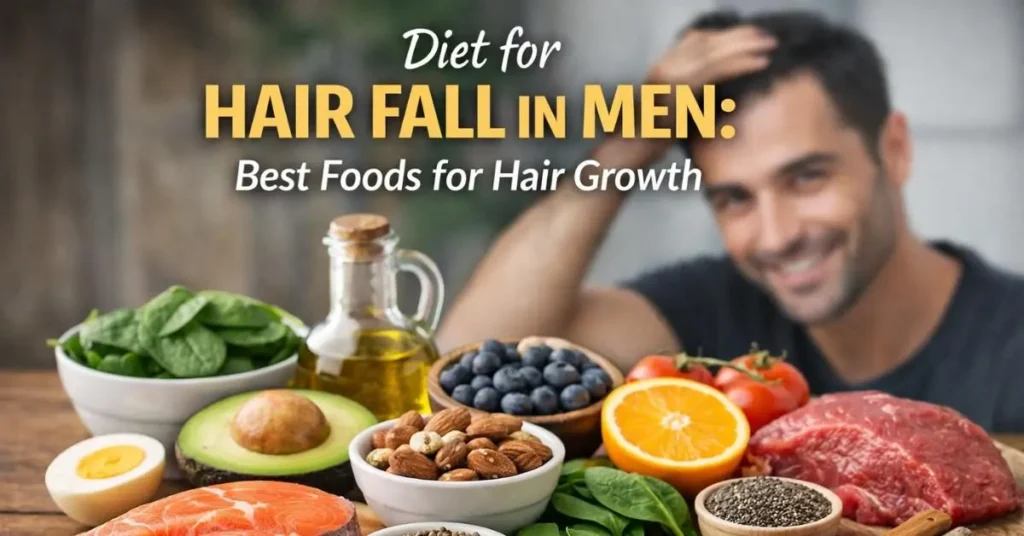
Hair fall is one of the most common concerns faced by men today. Many men begin to notice thinning hair, a receding hairline, or excessive shedding much earlier than expected. While genetics and hormones are often blamed for hair loss, one of the most powerful factors influencing hair health is diet.
Hair follicles require a steady supply of nutrients to remain active and produce strong hair strands. When the body lacks important nutrients such as protein, iron, zinc, vitamins, and healthy fats, hair follicles weaken and the hair growth cycle becomes disrupted. Over time, this can result in noticeable hair thinning and increased hair fall.
This is why understanding the right diet for hair fall in men is essential. The foods men consume daily directly affect hair strength, scalp health, and the ability of hair follicles to grow healthy strands. A balanced and nutrient rich diet can significantly reduce hair loss and promote stronger hair growth.
At Nutridate with Priyanka, with more than fifteen years of experience in nutrition and diet planning, we have helped many individuals improve hair health through targeted dietary strategies. In this guide, we will explore how nutrition affects hair fall and the best diet for hair fall in men that supports healthy hair growth naturally.
Concerned About Hair Fall or Thinning Hair?
Hair loss in men can often be linked to poor nutrition, stress, hormonal imbalance, or vitamin deficiencies. A balanced diet rich in protein, iron, biotin, zinc, and essential nutrients can help support stronger and healthier hair growth. Get a personalised nutrition plan to reduce hair fall naturally.
Get Your Personalised Hair Health Diet PlanUnderstanding the Link Between Diet and Hair Fall in Men
Hair growth is a biological process that depends on several factors, including genetics, hormones, lifestyle habits, and nutrition. Each hair strand grows from a hair follicle located beneath the scalp. These follicles rely on nutrients delivered through the bloodstream to remain healthy and active.
Hair growth occurs in different phases. The active growth phase, known as the anagen phase, is when hair strands grow continuously for several years. If the body lacks essential nutrients, hair follicles may enter the resting phase earlier than normal. This shortens the growth cycle and increases hair shedding.
Men who follow poor dietary habits, skip meals frequently, or consume excessive processed foods may unintentionally deprive their hair follicles of the nutrients required for healthy growth. Over time, this nutritional imbalance weakens hair roots and contributes to hair fall.
By focusing on a nutrient dense diet for hair fall in men, it is possible to strengthen hair follicles, support scalp health, and improve hair thickness.
The Role of Protein in Preventing Hair Fall
Protein is the most important nutrient for hair growth. Hair is primarily made of keratin, which is a type of structural protein. Without sufficient protein intake, the body cannot produce strong hair strands.
When protein intake is low, the body conserves available protein for vital organs rather than hair growth. As a result, hair follicles enter the resting phase, leading to increased hair shedding.
Including adequate protein in the daily diet is essential for men experiencing hair fall. Foods such as eggs, lean chicken, fish, yogurt, paneer, lentils, chickpeas, soybeans, and tofu provide the amino acids required for keratin production.
Eggs are especially beneficial because they contain both high quality protein and biotin, a vitamin that strengthens hair structure. Regular protein consumption supports hair growth and improves hair thickness over time.
Iron Rich Foods That Support Hair Growth
Iron plays a crucial role in delivering oxygen to cells throughout the body. Hair follicles require oxygen and nutrients to maintain healthy growth cycles.
When iron levels are low, hair follicles receive insufficient oxygen. This weakens the hair roots and may lead to increased hair fall. Iron deficiency is a common nutritional issue that can affect hair health.
Foods rich in iron include spinach, beetroot, lentils, kidney beans, pumpkin seeds, dates, and lean red meat. Consuming these foods regularly can improve blood circulation and support hair follicle health.
Iron absorption can be improved by pairing iron rich foods with vitamin C sources such as citrus fruits, amla, tomatoes, and bell peppers. This combination allows the body to absorb iron more effectively and supports stronger hair growth.
Zinc and Selenium for Stronger Hair Follicles
Zinc supports hair tissue repair and helps regulate the oil glands around hair follicles. Adequate zinc levels contribute to stronger hair roots and improved scalp health.
Selenium acts as an antioxidant that protects hair follicles from oxidative stress and environmental damage. It also supports proper thyroid function, which influences hair growth.
Foods such as pumpkin seeds, sunflower seeds, almonds, cashews, whole grains, and legumes are rich sources of zinc. Selenium can be obtained from eggs, fish, nuts, and seeds.
Adding these foods to a balanced diet for hair fall in men helps maintain healthy scalp conditions and supports hair growth.
Concerned About Hair Fall or Thinning Hair?
Hair loss in men can often be linked to poor nutrition, stress, hormonal imbalance, or vitamin deficiencies. A balanced diet rich in protein, iron, biotin, zinc, and essential nutrients can help support stronger and healthier hair growth. Get a personalised nutrition plan to reduce hair fall naturally.
Get Your Personalised Hair Health Diet PlanOmega Three Fatty Acids for Hair Thickness
Healthy fats play an important role in nourishing hair follicles and maintaining scalp hydration. Omega three fatty acids help reduce inflammation in the scalp and support thicker hair growth.
Men who consume diets high in processed foods and low in healthy fats may experience dry scalp conditions and brittle hair strands.
Fatty fish such as salmon, sardines, and mackerel are excellent sources of omega three fatty acids. Plant based sources include flaxseeds, chia seeds, walnuts, and hemp seeds.
Regular intake of omega three rich foods improves hair shine, strengthens hair roots, and supports overall scalp health.
Biotin and B Vitamins for Hair Strength
Biotin is widely known for its role in improving hair strength and supporting keratin production. This vitamin helps prevent brittle hair and promotes stronger hair strands.
In addition to biotin, other B vitamins such as vitamin B12, vitamin B6, and folate contribute to hair growth by improving oxygen delivery and supporting healthy cell metabolism.
Men who have low levels of B vitamins may notice thinning hair or slower hair growth.
Natural sources of biotin include eggs, almonds, peanuts, bananas, sweet potatoes, and whole grains. Vitamin B12 is found in dairy products, fish, eggs, and meat.
Ensuring adequate intake of these nutrients is an important part of a healthy diet for hair fall in men.
Vitamin D and Hair Follicle Activation
Vitamin D plays a key role in activating dormant hair follicles and supporting the hair growth cycle. Low levels of vitamin D have been linked to increased hair shedding and certain types of hair loss.
Men who spend most of their time indoors may not receive enough sunlight, which is necessary for vitamin D production.
Foods such as mushrooms, egg yolks, fatty fish, and fortified dairy products provide vitamin D. Spending fifteen to twenty minutes in sunlight daily can also support natural vitamin D production.
Maintaining healthy vitamin D levels can help stimulate hair follicles and encourage new hair growth.
Antioxidant Rich Foods for Scalp Protection
Environmental pollution, stress, and unhealthy dietary habits can cause oxidative stress in the body. Oxidative stress damages cells, including those responsible for hair growth.
Antioxidants help neutralize harmful free radicals and protect hair follicles from damage.
Fruits and vegetables rich in antioxidants include berries, oranges, carrots, spinach, tomatoes, and sweet potatoes. These foods support scalp health and help maintain strong hair follicles.
Including a variety of colorful fruits and vegetables in daily meals ensures that the body receives protective nutrients that support hair vitality.
Foods That May Contribute to Hair Fall
Certain foods can negatively affect hair health when consumed excessively. Diets high in refined sugar and processed carbohydrates may disrupt hormonal balance and increase inflammation in the body.
Frequent consumption of fried foods, sugary beverages, and highly processed snacks deprives the body of essential nutrients needed for healthy hair growth.
Crash dieting and extremely low calorie diets can also trigger hair shedding because the body lacks sufficient nutrients to support the hair growth cycle.
Reducing processed foods and focusing on whole, nutrient dense foods is essential for maintaining a healthy diet for hair fall in men.
Lifestyle Habits That Influence Hair Health
While diet is one of the most important factors affecting hair health, lifestyle habits also play a significant role.
Chronic stress is known to trigger hair loss by disrupting hormone balance and pushing hair follicles into the resting phase. Managing stress through relaxation techniques, exercise, and adequate sleep can help support healthy hair growth.
Regular physical activity improves blood circulation throughout the body, including the scalp. This increased circulation ensures that hair follicles receive sufficient oxygen and nutrients.
Hydration also supports hair health by maintaining scalp moisture and improving nutrient transport within the body.
Men who combine a balanced diet with healthy lifestyle habits often experience stronger hair and reduced hair fall.
When to Seek Professional Nutrition Guidance
If hair fall continues despite improving diet and lifestyle habits, it may indicate underlying nutritional deficiencies or health conditions.
Personalized nutrition guidance can help identify specific deficiencies and create a targeted dietary plan to support hair growth.
At Nutridate with Priyanka, we focus on evidence based nutrition strategies that address the root causes of hair fall. With the right dietary approach and professional guidance, men can significantly improve hair health and overall wellbeing.
A Quick Recap
Hair fall in men is often influenced by dietary habits and nutritional balance. While external hair treatments may provide temporary results, long term hair health depends largely on the nutrients supplied to hair follicles.
A balanced and nutrient rich diet for hair fall in men should include protein, iron, zinc, omega three fatty acids, vitamins, and antioxidant rich foods. These nutrients strengthen hair roots, support scalp health, and promote consistent hair growth.
By adopting healthier eating habits and maintaining a balanced lifestyle, men can significantly reduce hair fall and improve the strength and appearance of their hair.
Concerned About Hair Fall or Thinning Hair?
Hair loss in men can often be linked to poor nutrition, stress, hormonal imbalance, or vitamin deficiencies. A balanced diet rich in protein, iron, biotin, zinc, and essential nutrients can help support stronger and healthier hair growth. Get a personalised nutrition plan to reduce hair fall naturally.
Get Your Personalised Hair Health Diet PlanFrequently Asked Questions
The best diet for hair fall in men includes foods rich in protein, iron, zinc, omega-3 fatty acids, and essential vitamins. Nutrient-dense foods such as eggs, fish, lentils, nuts, seeds, spinach, and fruits help strengthen hair follicles and promote healthy hair growth.
Yes, diet can significantly affect hair health. Hair follicles require nutrients like protein, iron, and vitamins to grow strong hair. When men follow a balanced diet for hair fall in men, it helps nourish the scalp, strengthen hair roots, and reduce excessive hair shedding.
Foods that support hair growth include eggs, salmon, walnuts, almonds, spinach, sweet potatoes, lentils, and yogurt. These foods provide essential nutrients such as protein, biotin, iron, and omega-3 fatty acids that help maintain healthy hair follicles.
Hair fall in men is commonly linked to deficiencies in iron, protein, vitamin D, zinc, and biotin. When the body lacks these nutrients, hair follicles weaken and hair growth slows down, leading to increased hair shedding.
Improving diet can begin to show positive effects on hair health within two to three months. Hair growth cycles take time, so consistent intake of a balanced diet for hair fall in men is essential for noticeable improvement.