Diet for Hypertension: Complete Guide to Lower BP Naturally
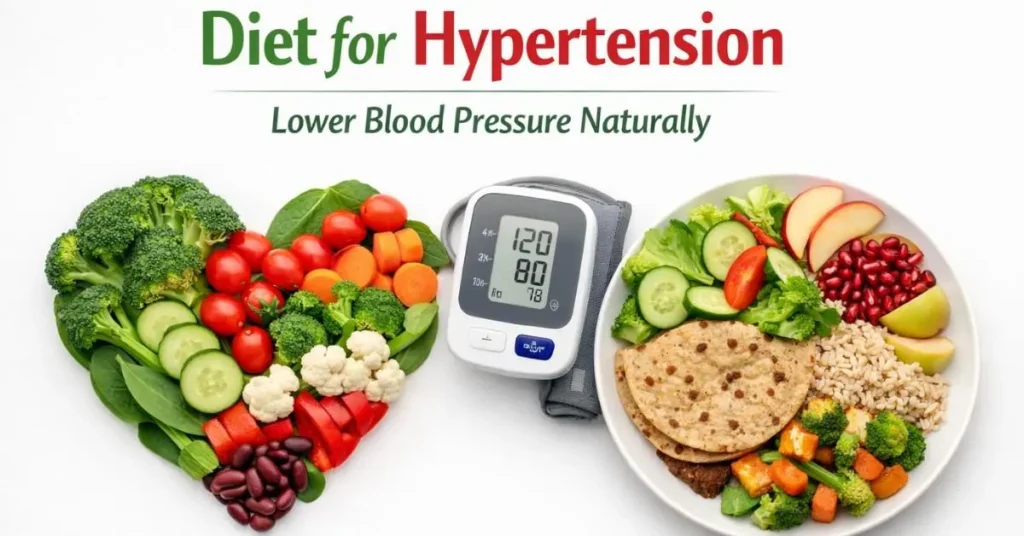
High blood pressure is no longer just a condition affecting older adults. Today, people in their 30s and 40s are being diagnosed with hypertension due to stress, sedentary lifestyles, poor food habits, and processed diets. The most powerful and scientifically supported first step in managing high blood pressure is following the right diet for hypertension.
Unlike temporary dieting trends, a well-structured hypertension diet plan focuses on long-term heart protection. The foods you eat daily directly influence your blood vessels, hormone balance, kidney function, and overall cardiovascular health. When planned correctly, dietary changes can reduce systolic blood pressure significantly within weeks.
If you are looking for a sustainable, realistic, and science-backed approach to managing high blood pressure, this complete guide will help you understand what to eat, what to avoid, and how to build daily habits that protect your heart.
Struggling With High Blood Pressure?
Hypertension increases the risk of heart disease and stroke, but the right diet can help lower blood pressure naturally. Reducing excess salt, improving potassium intake, and following a balanced eating plan can support long-term heart health. Get personalised nutrition guidance to manage BP safely and effectively.
Get Your Personalised Hypertension Diet PlanWhat Is Hypertension and Why Diet Plays a Central Role
Hypertension occurs when the pressure of blood against artery walls remains consistently elevated. Over time, this excess pressure damages blood vessels and increases the risk of heart attack, stroke, kidney disease, and vision problems.
One of the primary contributors to high blood pressure is excess sodium combined with low potassium intake. Modern diets are overloaded with processed foods, refined carbohydrates, unhealthy fats, and hidden salt. This imbalance disrupts fluid regulation in the body and makes arteries stiff and narrow.
A properly planned diet for hypertension works by restoring this balance. It reduces sodium, increases potassium, improves blood vessel flexibility, lowers inflammation, and supports healthy weight management. Instead of masking the problem, it addresses the root cause.
The Science Behind a Diet for Hypertension
Understanding how food impacts blood pressure helps you make smarter choices.
When sodium intake is high, the body retains water. Increased fluid volume raises pressure inside blood vessels. Potassium works in the opposite direction by helping the body eliminate excess sodium through urine. Magnesium and calcium support muscle relaxation, including the smooth muscles lining blood vessels.
Fiber improves cholesterol levels and insulin sensitivity, both of which influence blood pressure. Antioxidants protect arteries from oxidative stress and inflammation. When these nutrients work together, they create a protective environment for your cardiovascular system.
This is why a balanced diet for hypertension is not about one superfood. It is about nutrient synergy.
Core Principles of an Effective Hypertension Diet Plan
A successful diet for hypertension follows these evidence-based principles:
Increase intake of fruits and vegetables
Choose whole grains over refined grains
Include lean protein sources
Reduce sodium intake
Limit processed and packaged foods
Avoid trans fats and excessive saturated fats
Maintain portion control
Stay hydrated
These simple guidelines create powerful long-term results.
Best Foods to Include in a Diet for Hypertension
Potassium-Rich Fruits
Fruits are natural blood pressure regulators. Bananas, oranges, pomegranate, guava, papaya, apples, and berries are rich in potassium and antioxidants. Including two to three servings daily supports sodium balance and improves vascular function.
Citrus fruits contain flavonoids that enhance artery flexibility. Pomegranate supports nitric oxide production, which helps relax blood vessels.
Green Leafy and Colorful Vegetables
Vegetables should form the foundation of your diet for hypertension. Spinach, methi, amaranth leaves, cabbage, broccoli, beetroot, lauki, and tinda provide potassium, magnesium, fiber, and nitrates.
Nitrates found in leafy greens improve blood flow and reduce arterial stiffness. Aim to fill half your plate with vegetables during lunch and dinner.
Whole Grains Instead of Refined Carbohydrates
Refined flour products and white rice cause blood sugar spikes and insulin resistance, which indirectly worsen hypertension.
Replace them with:
Brown rice
Oats
Multigrain roti
Ragi
Jowar
Bajra
Quinoa
Whole grains provide fiber, magnesium, and slow-release energy that stabilize metabolic function.
Lean Protein Sources
Protein helps maintain muscle mass and stabilizes hunger hormones. Good options include:
Moong dal
Masoor dal
Chana
Rajma
Tofu
Paneer in moderation
Fish
Skinless chicken
Legumes are especially beneficial because they provide both protein and fiber. Fatty fish supply omega-3 fatty acids that reduce inflammation and support heart health.
Healthy Fats That Protect the Heart
Healthy fats are essential in a diet for hypertension. Almonds, walnuts, flax seeds, chia seeds, and pumpkin seeds contain magnesium and omega-3 fatty acids that improve arterial function.
Use mustard oil or olive oil in moderation. Avoid reheated oils, deep fried foods, and hydrogenated fats.
Foods to Strictly Limit in Hypertension
One of the biggest obstacles in blood pressure control is hidden sodium. Processed snacks, packaged soups, instant noodles, sauces, pickles, papad, bakery products, and processed meats contain excessive salt.
Sugary drinks increase weight gain and insulin resistance. Red meat and deep fried foods promote inflammation and arterial stiffness.
Reading nutrition labels and cooking at home can significantly reduce sodium exposure.
Struggling With High Blood Pressure?
Hypertension increases the risk of heart disease and stroke, but the right diet can help lower blood pressure naturally. Reducing excess salt, improving potassium intake, and following a balanced eating plan can support long-term heart health. Get personalised nutrition guidance to manage BP safely and effectively.
Get Your Personalised Hypertension Diet PlanHow Much Salt Is Safe in a Diet for Hypertension
For people with high blood pressure, sodium intake should ideally stay below 1500 to 2000 milligrams per day. This includes salt added during cooking and hidden sodium in packaged foods.
Gradually reducing salt allows taste buds to adjust. Use lemon, garlic, ginger, jeera, black pepper, and fresh herbs to enhance flavor naturally.
Even a small daily reduction in sodium can improve blood pressure readings within weeks.
Sample One Day Diet for Hypertension
Morning
Warm water with soaked almonds
Breakfast
Vegetable oats or poha prepared with minimal oil
Mid-morning
Seasonal fruit such as guava or papaya
Lunch
Multigrain roti
Seasonal vegetable
Moong dal
Fresh salad
Low-fat curd
Evening
Green tea with roasted chana
Dinner
Vegetable soup
Paneer bhurji or grilled fish
Small millet roti
This structure ensures balanced nutrients without excess sodium or unhealthy fats.
Role of Weight Management in Blood Pressure Control
Excess body weight increases pressure on arteries and makes the heart work harder. Even losing five to ten percent of body weight can significantly lower blood pressure.
A balanced diet for hypertension naturally supports weight control because it emphasizes whole foods and reduces processed calorie intake.
Lifestyle Habits That Strengthen Dietary Results
Diet works best when combined with supportive habits:
Thirty minutes of brisk walking daily improves vascular flexibility.
Stress management through meditation or breathing exercises lowers cortisol.
Seven to eight hours of quality sleep supports hormonal balance.
Limiting alcohol and quitting smoking dramatically improves heart health.
Consistency is more important than perfection.
Can Diet Alone Reverse Hypertension
In early stages, lifestyle and dietary changes can bring blood pressure back to normal ranges. However, individuals already on medication should continue treatment under medical supervision.
A diet for hypertension enhances treatment effectiveness and may reduce long-term medication dependency when guided by healthcare professionals.
Long Term Benefits of Following a Diet for Hypertension
Improved heart health
Reduced risk of stroke
Better kidney function
Balanced cholesterol levels
Stable blood sugar
Higher energy levels
Improved overall wellbeing
This approach is not a temporary fix. It is a sustainable lifestyle change that supports longevity.
A Quick Recap
Managing high blood pressure does not require extreme restrictions or expensive superfoods. A thoughtfully structured diet for hypertension built on whole foods, reduced sodium, balanced nutrients, and mindful habits can transform your cardiovascular health.
Small daily improvements create powerful long-term outcomes. When supported by an active lifestyle and stress management, dietary changes become a lifelong investment in heart health.
Your journey toward healthier blood pressure begins with the choices you make on your plate today.
Struggling With High Blood Pressure?
Hypertension increases the risk of heart disease and stroke, but the right diet can help lower blood pressure naturally. Reducing excess salt, improving potassium intake, and following a balanced eating plan can support long-term heart health. Get personalised nutrition guidance to manage BP safely and effectively.
Get Your Personalised Hypertension Diet PlanFrequently Asked Questions
The best diet for hypertension is one that focuses on fruits, vegetables, whole grains, lean proteins, and low sodium foods. A balanced eating pattern rich in potassium, magnesium, and fiber helps relax blood vessels and reduce blood pressure naturally. Reducing processed foods and limiting salt intake are equally important for long-term control.
A diet for hypertension lowers blood pressure by reducing sodium intake and increasing potassium, magnesium, and antioxidants. These nutrients help balance fluids in the body, improve blood vessel flexibility, reduce inflammation, and support healthy heart function.
For individuals with high blood pressure, sodium intake should ideally be limited to 1500 to 2000 milligrams per day. This includes both added salt and hidden sodium found in packaged foods. Cooking fresh meals at home makes it easier to control salt consumption.
Foods high in sodium and unhealthy fats should be limited. These include processed snacks, instant noodles, pickles, packaged soups, processed meats, bakery products, deep fried foods, and sugary beverages. These foods can increase blood pressure and strain the heart.
In mild cases of hypertension, dietary and lifestyle changes may significantly reduce blood pressure. However, individuals already prescribed medication should not stop it without medical supervision. A diet for hypertension works best as part of a comprehensive treatment plan.