Foods to Avoid If You Have PCOS to Improve Hormones and Weight
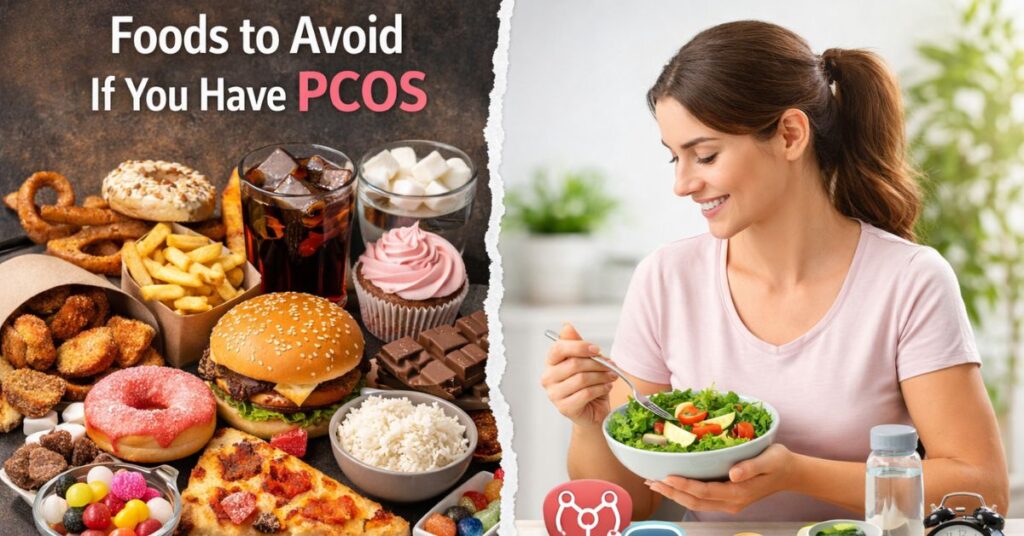
Living with Polycystic Ovary Syndrome can feel overwhelming, especially when symptoms persist despite eating what seems like a healthy diet. Many women with PCOS struggle with stubborn weight gain, irregular menstrual cycles, acne, hair fall, excessive hair growth, fatigue, mood changes, and intense food cravings. In most cases, the missing link is not how much you eat, but which foods silently worsen hormonal imbalance.
Understanding foods to avoid if you have PCOS is one of the most powerful steps toward managing this condition naturally. Certain foods directly interfere with insulin sensitivity, increase inflammation, and stimulate excess androgen production, making PCOS symptoms worse over time. Avoiding these foods helps restore hormonal balance, supports metabolism, and improves overall quality of life.
This comprehensive guide explains in detail which foods aggravate PCOS, why they cause harm at a hormonal level, and how removing them can significantly improve long-term health outcomes.
Why Knowing Foods to Avoid If You Have PCOS Is Crucial
PCOS is not just a gynecological condition. It is a metabolic and endocrine disorder closely linked with insulin resistance and chronic inflammation. When insulin does not function efficiently, the body produces more of it to keep blood sugar stable. Elevated insulin levels stimulate the ovaries to release excess male hormones, which disrupt ovulation and menstrual regularity.
Food plays a direct role in this cycle. Some foods spike blood sugar rapidly, strain the liver, disturb gut health, and increase inflammatory markers. Over time, these effects worsen hormonal imbalance even when calorie intake appears controlled.
Learning which foods to avoid if you have PCOS allows the body to reduce insulin load, calm inflammation, and create a hormonal environment that supports regular cycles, better energy, and sustainable weight management.
Not Sure Which Foods Are Worsening Your PCOS Symptoms?
Certain foods can trigger insulin resistance, hormonal imbalance, and weight gain in PCOS. Avoiding the wrong foods is just as important as choosing the right ones. Our personalised PCOS nutrition guidance helps you identify food triggers and create a balanced diet for better hormone health and sustainable weight management.
Get a Personalised PCOS Diet PlanRefined Sugar and Added Sugars
Why Sugar Is One of the Worst Foods for PCOS
Refined sugar is among the most damaging foods for women with PCOS. It causes rapid spikes in blood glucose, forcing the pancreas to release large amounts of insulin. Repeated insulin surges worsen insulin resistance, which is the root cause of many PCOS symptoms.
High insulin levels trigger the ovaries to produce excess androgens. This leads to irregular periods, acne, facial hair growth, scalp hair thinning, and difficulty losing weight. Sugar also fuels inflammation and disrupts appetite regulating hormones, making cravings stronger and more frequent.
Common Hidden Sources of Sugar
Sugar is not limited to desserts. It is commonly found in packaged foods such as flavored yogurts, breakfast cereals, sauces, salad dressings, energy bars, packaged fruit juices, smoothies, bakery products, and sweetened beverages. In Indian diets, sweets, mithai, biscuits, sweetened tea or coffee, and festive desserts contribute significantly to daily sugar intake.
Reducing refined sugar is one of the most effective dietary changes for improving PCOS symptoms.
Refined Carbohydrates and Highly Processed Grains
How Refined Carbs Worsen PCOS
Refined carbohydrates such as white bread, white rice, maida based rotis, noodles, pasta, pizza, and packaged snacks are digested very quickly and converted into glucose. This leads to frequent blood sugar spikes throughout the day.
For women with PCOS, these glucose surges worsen insulin resistance and promote fat storage, particularly around the abdomen. Even women who eat smaller portions may struggle with weight gain when refined carbohydrates dominate their diet.
Fiber Deficiency and Hormonal Impact
Processed grains lack fiber, vitamins, and minerals essential for metabolic health. Fiber slows digestion, improves gut health, and helps regulate blood sugar levels. Low fiber intake leads to poor satiety, energy crashes, and increased inflammation.
Chronic inflammation interferes with hormone signaling and worsens menstrual irregularities. Avoiding refined grains supports stable energy levels and better hormonal balance.
Fried Foods and Unhealthy Fats
Inflammation and Insulin Resistance
Fried foods are usually cooked in refined vegetable oils that contain trans fats or become oxidized when heated repeatedly. These unhealthy fats increase inflammation and impair insulin signaling.
Inflammation plays a significant role in PCOS related symptoms such as fatigue, pelvic discomfort, brain fog, and hormonal fluctuations. Regular consumption of fried foods worsens this inflammatory burden.
Effect on Weight and Hormones
Trans fats promote visceral fat accumulation, which further disrupts estrogen and androgen balance. Increased abdominal fat releases inflammatory compounds that worsen insulin resistance and hormonal imbalance.
Avoiding fried foods helps reduce inflammation and supports healthier metabolic function.
Dairy Products That May Trigger PCOS Symptoms
Hormonal Effects of Dairy
Certain dairy products stimulate insulin-like growth factor one, a hormone linked to increased androgen production. For some women with PCOS, dairy consumption worsens acne, bloating, irregular periods, and inflammation.
Commercial dairy may also contain added hormones that disrupt endocrine balance, especially when consumed frequently.
Individual Sensitivity Is Key
Not all women with PCOS react the same way to dairy. However, high intake of full-fat milk, cheese, flavored yogurts, and ice cream may aggravate symptoms in insulin-resistant individuals.
Monitoring how the body responds to dairy and reducing excessive intake can improve hormonal clarity.
Not Sure Which Foods Are Worsening Your PCOS Symptoms?
Certain foods can trigger insulin resistance, hormonal imbalance, and weight gain in PCOS. Avoiding the wrong foods is just as important as choosing the right ones. Our personalised PCOS nutrition guidance helps you identify food triggers and create a balanced diet for better hormone health and sustainable weight management.
Get a Personalised PCOS Diet PlanUltra Processed and Packaged Foods
Why Processed Foods Harm Hormonal Health
Ultra processed foods contain preservatives, refined oils, artificial flavors, excess sodium, and additives that stress the liver. The liver is responsible for detoxifying excess hormones, particularly estrogen.
When liver function is compromised, estrogen clearance slows down, leading to estrogen dominance and menstrual irregularities.
Gut Health and PCOS
The gut microbiome plays a critical role in insulin sensitivity and inflammation. Processed foods disrupt beneficial gut bacteria, leading to digestive issues and worsening metabolic dysfunction.
Avoiding ultra processed foods supports gut health and hormone regulation.
Sugary Beverages and Liquid Calories
Why Liquid Sugar Is Especially Harmful
Sugary beverages cause faster blood sugar spikes than solid foods because they lack fiber and require minimal digestion. Soft drinks, packaged fruit juices, sweetened smoothies, flavored milk, and energy drinks deliver large amounts of sugar rapidly.
For women with PCOS, these drinks significantly worsen insulin resistance and cravings.
The Health Halo Problem
Many packaged juices are perceived as healthy but contain concentrated sugar without fiber. Regular consumption contributes to hormonal imbalance and weight gain despite a healthy image.
Avoiding sugary beverages supports stable blood glucose and appetite control.
Excessive Caffeine Intake
Cortisol and Hormonal Disruption
High caffeine intake stimulates cortisol, the stress hormone. Chronically elevated cortisol worsens insulin resistance and disrupts progesterone levels, which are often already low in PCOS.
Excess caffeine also interferes with sleep quality, appetite hormones, and adrenal health.
Combined Effect With Sugar
Sugary coffee and tea beverages combine caffeine with sugar, creating a powerful hormonal trigger that worsens PCOS symptoms.
Moderating caffeine intake supports hormonal rhythm and energy stability.
Artificial Sweeteners and Diet Products
Why Artificial Sweeteners Are Not PCOS Friendly
Artificial sweeteners may not contain calories, but they can still trigger insulin release and disrupt gut bacteria. They also maintain sweet cravings, making dietary balance harder to achieve long term.
Many sugar free products marketed for weight loss may worsen metabolic health in PCOS.
Gut and Hormonal Effects
Disruption of gut microbiota affects insulin sensitivity and inflammation. Over time, artificial sweeteners may intensify PCOS symptoms instead of improving them.
Avoiding artificial sweeteners supports better gut and hormonal health.
Why Avoiding These Foods Improves PCOS Symptoms
When foods that worsen PCOS are removed, insulin levels stabilize, inflammation decreases, and hormone signaling improves. Many women experience more regular menstrual cycles, reduced cravings, improved skin health, better digestion, and gradual sustainable weight loss.
Consistency matters more than perfection. Small dietary changes practiced daily create long term hormonal improvements.
A Sustainable and Human Approach to PCOS Nutrition
Managing PCOS is not about extreme restriction or temporary diets. It is about understanding how food interacts with hormones and making informed, compassionate choices.
Every woman’s body responds differently. Genetics, stress, sleep, physical activity, and gut health all influence symptoms. A personalized nutrition approach focused on long term metabolic healing delivers the best results.
Not Sure Which Foods Are Worsening Your PCOS Symptoms?
Certain foods can trigger insulin resistance, hormonal imbalance, and weight gain in PCOS. Avoiding the wrong foods is just as important as choosing the right ones. Our personalised PCOS nutrition guidance helps you identify food triggers and create a balanced diet for better hormone health and sustainable weight management.
Get a Personalised PCOS Diet PlanA Quick Recap
Understanding foods to avoid if you have PCOS empowers women to take control of their health naturally. Refined sugar, processed carbohydrates, fried foods, excessive dairy, ultra processed products, sugary beverages, artificial sweeteners, and excessive caffeine disrupt insulin sensitivity and hormonal balance.
Avoiding these foods consistently creates an internal environment that supports regular cycles, improved fertility potential, sustainable weight management, and overall wellbeing.
PCOS does not define you. With the right knowledge and guidance, it can be managed effectively and sustainably.
Frequently Asked Questions
The most important foods to avoid if you have PCOS are refined sugar, refined carbohydrates, fried foods, ultra processed foods, sugary beverages, excessive dairy, artificial sweeteners, and foods high in trans fats. These foods worsen insulin resistance, increase inflammation, and disrupt hormonal balance, which can intensify PCOS symptoms.
Sugar causes rapid blood sugar spikes that lead to excessive insulin release. In women with PCOS, high insulin levels trigger the ovaries to produce more androgens, which can result in irregular periods, weight gain, acne, and difficulty losing weight. Avoiding sugar helps stabilize hormones and reduce cravings.
Yes, refined carbohydrates such as white bread, white rice, maida based foods, and bakery items can worsen PCOS symptoms. These foods digest quickly, spike blood sugar, and increase insulin resistance, making hormonal imbalance and weight gain more severe in women with PCOS.
Dairy affects women with PCOS differently. Some women tolerate it well, while others experience acne, bloating, inflammation, or irregular periods. Certain dairy products may increase insulin like growth factor levels, which can raise androgen production. Reducing high fat and sweetened dairy may help improve symptoms.
Fried foods are harmful for PCOS because they increase inflammation and insulin resistance. They are often cooked in unhealthy oils that disrupt hormone function and promote abdominal fat storage. Regular consumption of fried foods can worsen fatigue, weight gain, and menstrual irregularities.