Healthy Diet Plan for PCOS by Nutrition Expert Priyanka Shah
Understanding PCOS and the Importance of Diet
Polycystic Ovary Syndrome, or PCOS, is one of the most common hormonal imbalances affecting women today. It often causes weight gain, irregular cycles, acne, fatigue, and difficulty conceiving. The foundation for managing these symptoms starts with food. A healthy diet plan for PCOS can improve insulin response, reduce inflammation, and help the body restore hormonal balance naturally.
At Nutridate with Priyanka, the goal is to help women eat mindfully, nourish consistently, and feel energetic every day rather than chasing restrictive diets.


Building a Healthy Diet Plan for PCOS
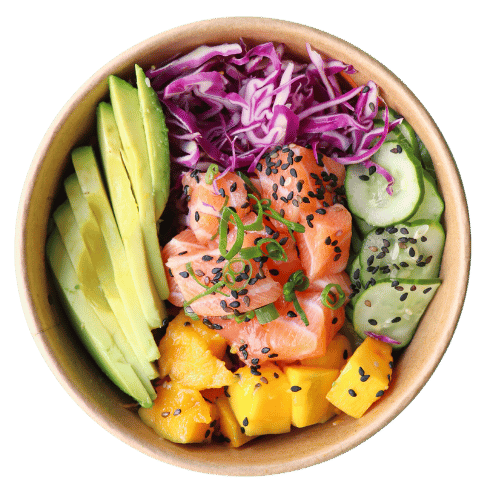
A PCOS-friendly diet focuses on whole, unprocessed foods that maintain steady blood sugar levels. The aim is to fuel the body with nutrients that support metabolism, fertility, and hormonal balance.
Core Principles:
- Prioritize balance: Combine complex carbohydrates, lean proteins, and healthy fats in each meal.
- Low-GI choices: Include grains like oats, quinoa, brown rice, and millets to stabilize energy levels.
- Protein-rich foods: Eggs, lentils, paneer, tofu, fish, and legumes help reduce sugar cravings and maintain satiety.
- Anti-inflammatory options: Olive oil, turmeric, berries, avocados, and nuts can reduce inflammation and improve skin health.
Foods to Avoid for Better Hormone Health
Certain foods make it harder to manage insulin resistance and increase inflammation in the body. Limiting these can make a visible difference in weight, energy, and hormonal balance.
- Refined flour and white rice
- Sugary drinks, desserts, and processed snacks
- Fried or fast foods high in saturated fat
- Red and processed meats in excess
- Artificial sweeteners and packaged foods
These foods spike blood sugar and lead to insulin resistance, which is a key factor in worsening PCOS symptoms.
Best Foods to Include in a PCOS Diet Plan
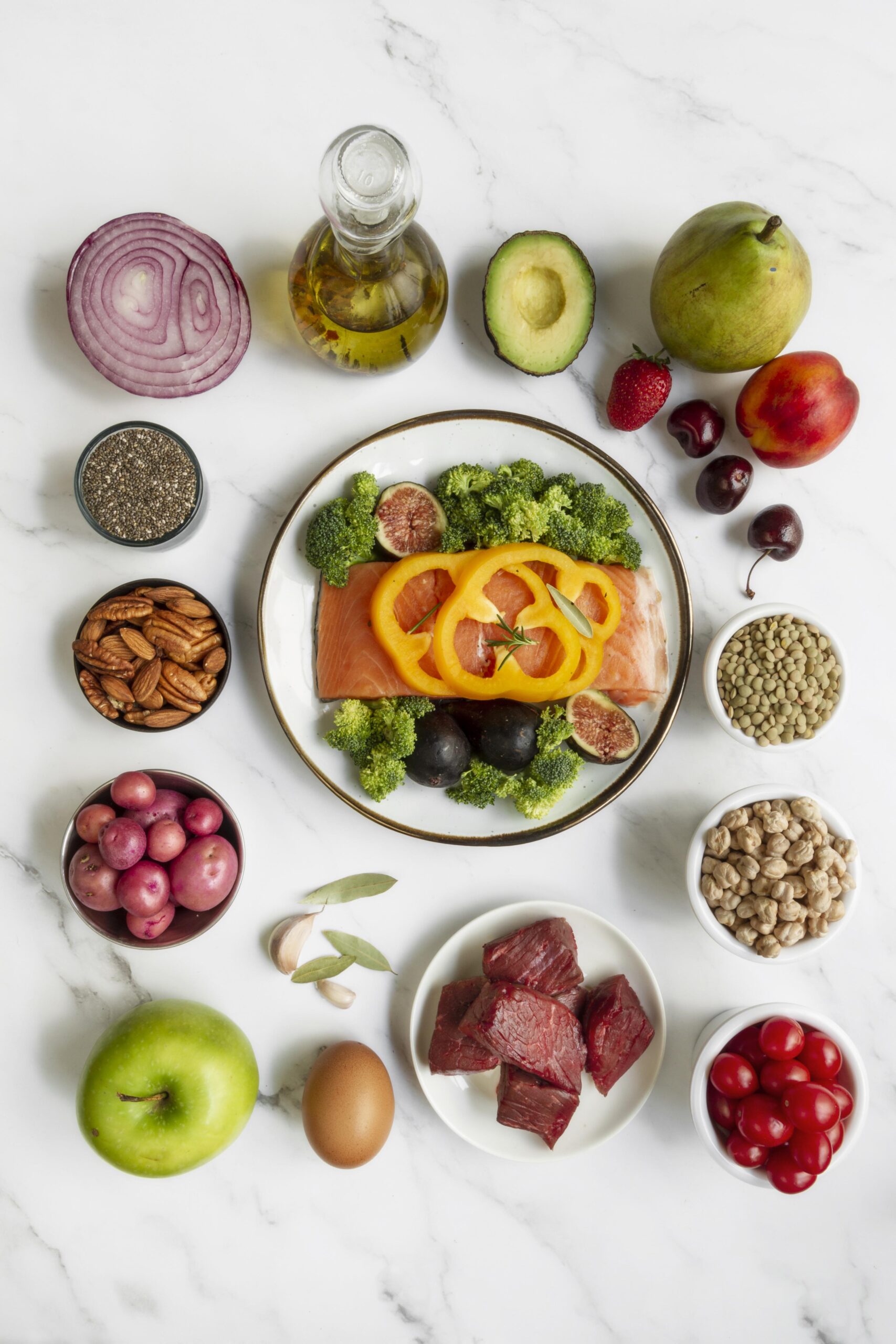
A healthy diet plan for PCOS is built around foods that are rich in fiber, antioxidants, and lean protein. These help improve metabolism, promote regular cycles, and enhance fertility.
Food Type
Examples
Why It Helps
Low-GI Carbs
Quinoa, barley, millets, oats
Maintain steady blood sugar |
Proteins
Eggs, lentils, fish, tofu, beans
Boost metabolism and muscle tone |
Healthy Fats
Avocado, nuts, seeds, olive oil
Support hormone production
Vegetables
Spinach, broccoli, cauliflower, peppers |
High in fiber and antioxidants |
Fruits (in moderation)
Berries, apples, guava, kiwi |
Provide vitamins and antioxidants |
Eating every 3 to 4 hours with balanced meals helps reduce cravings and keeps hormones stable throughout the day.
One-Day Sample Healthy Diet Plan for PCOS
Time
Meal
Example
7:00 AM
Early Morning
Warm water with lemon and soaked flaxseeds
8:30 AM
Breakfast
Vegetable oats or paneer toast with green chutney
11:00 AM
Mid-morning Snack
Handful of almonds or an apple |
1:30 PM
Lunch
Brown rice with grilled tofu, mixed salad, and curd
4:00 PM
Evening Snack
Roasted chickpeas or green tea with fruit
7:30 PM
Dinner
Quinoa and vegetable stir-fry with lentil soup
9:00 PM
Bedtime
Chamomile or spearmint tea
This plan supports stable insulin levels and reduces bloating and fatigue, which are common in PCOS.
Lifestyle Habits to Support Your PCOS Diet
Nutrition is only one part of PCOS management. Small lifestyle improvements can accelerate results and make the healthy diet plan more effective.
- Include at least 30 to 40 minutes of physical activity daily, such as walking, yoga, or strength training.
- Maintain consistent sleep patterns to regulate cortisol and hormonal balance.
- Manage stress with breathing exercises, mindfulness, or journaling.
- Keep a record of your meals and symptoms to identify what foods work best for your body.
When diet, movement, sleep, and stress are in balance, PCOS symptoms gradually improve, and energy levels become more consistent.
Expert Approach by Priyanka Shah
Priyanka Shah, a clinical nutritionist with deep expertise in women’s health, designs personalized meal plans for PCOS that are realistic, flexible, and results-driven. Each plan is built after understanding your lifestyle, medical history, and goals.
A structured, healthy diet plan for PCOS crafted under expert guidance can help you feel lighter, reduce cravings, and achieve better hormonal balance without extreme dieting or deprivation.