How to Reduce Sugar Cravings Naturally for Lasting Health Balance

m slump hits, eyes feel heavy, focus disappears, and the mind starts whispering about chocolate or something sweet. Many people google how to reduce sugar cravings and then feel angry with themselves when they give in, as if everyone else has more control.
From what I see every day at Nutridate with Priyanka, sugar cravings are not about weak discipline. They come from brain chemistry, hormones, habits, emotions, and the kind of food that usually sits in kitchens and office pantries. Sugar lights up pleasure centers in the brain through dopamine, in a way that feels similar to other addictive substances. After a long day, saying no can feel almost impossible.
On top of that, the average person eats far more sugar than their body can handle. The American Heart Association suggests about 6 teaspoons of added sugar per day for most women and children, and 9 for men. Many people unknowingly consume 3–4 times that through drinks, sauces, and snacks that do not even taste very sweet.
The hopeful part: learning how to reduce sugar cravings is not about harsh diets or banning every favorite food. It is about a calmer, more balanced relationship with eating, where sugar no longer controls mood or energy. This guide walks through the science behind cravings, smart food choices, sleep and stress habits, mindset shifts, and when professional support helps most.
I often tell my clients, “You are not weak for craving sugar; your body is asking for fast fuel. Our work is to give it steady fuel instead.”
Key Takeaways
- Cravings are not a character flaw. They come from brain chemistry, hormones, and habits. When people understand this, it becomes easier to drop shame and focus on real steps that calm the brain’s constant request for quick energy.
- Protein and fiber at each meal are game changers. They keep blood sugar steadier and help you stay full longer, which reduces sharp highs and lows that push the body to demand sweets.
- Hydration matters. Mild dehydration often feels like hunger or a sugar urge. Drinking a glass of water and waiting ten to fifteen minutes before grabbing something sweet can soften many cravings.
- Sleep, stress, and movement shape cravings. Poor sleep, high stress, and long hours of sitting all nudge the brain toward comfort foods. Small changes like a regular bedtime, a walk, or deep breathing support every other strategy for how to reduce sugar cravings.
- Planning and environment beat willpower. Meal prep, keeping sweets out of sight, and tracking patterns in a simple journal reduce the need to “fight” cravings all day. When needed, support from a professional, such as programs I run at Nutridate with Priyanka, can address deeper issues like diabetes, PCOS, or emotional eating.
Struggling With Sugar Cravings?
Our certified dietitian can guide you on how to reduce sugar cravings naturally, improve your nutrition, and build a sustainable, healthy eating plan. Take control of your health today!
Consult Our Dietitian NowUnderstanding Why We Crave Sugar So Intensely

Sugar is the fastest fuel the body can use, and it reaches the brain very quickly, where research on the Role of Dietary Carbohydrates has shown its significant impact on cognitive function and neural reward pathways. The moment someone eats something sugary, the reward centers in the brain light up and dopamine gives a strong feeling of pleasure and relief. The brain then remembers this and starts asking for the same “hit” again.
Over time, this creates a loop: feel tired or stressed → eat sugar → feel better for a short while → crash → crave more sugar. Many people who search for how to reduce sugar cravings describe feeling stuck in this pattern even when they know sugar is harming their health.
It helps to distinguish between natural and added sugar:
- Natural sugar comes in whole fruits, vegetables, and dairy, along with fiber, vitamins, and minerals. It digests more slowly and causes gentler blood sugar changes.
- Added sugar appears in sweets, soda, packaged snacks, many breakfast cereals, flavored yogurts, and even savory sauces. It hits the bloodstream fast and causes stronger spikes and crashes.
There is also a difference between a normal sweet tooth and what looks like sugar dependence. A sweet tooth is an occasional desire for dessert. Dependence looks more like thinking about sugar all day, eating sweets when not physically hungry, or feeling out of control around sugary foods. Our brains are wired to seek quick energy, especially during stress or low mood. In a world full of cheap sugar, that wiring now often works against us.
The Real Health Consequences Of Excessive Sugar Intake
Many people start asking how to reduce sugar cravings after a health scare. The numbers make the concern very real.
The American Heart Association advises limiting added sugar to about 6 teaspoons per day for most women and children, and 9 teaspoons for most men.
Yet many adults consume 22–30 teaspoons per day, often without realizing it. One can of regular soda alone can contain around 9 teaspoons of sugar.
Extra sugar affects the whole body. Over time, high intake raises the risk of:
- Type 2 diabetes
- Weight gain and fatty liver
- High blood pressure and heart disease
- Ongoing inflammation that can show up as joint pain, skin issues, or slower recovery from illness
Big swings in blood sugar also lead to headaches, fatigue, brain fog, anxiety, and mood swings. People often describe feeling “on edge” followed by guilt after a sugar binge.
The positive side is that many of these problems ease when added sugar goes down and blood sugar steadies. One of my clients, for example, saw her HbA1c drop from 7.9 to 6.5 within one month once we shaped a plan around steadier meals and better snack choices. That kind of change comes from practical, realistic steps not from punishment.
Building A Craving-Resistant Diet: What To Eat And Why It Works
Food is the base of any plan for how to reduce sugar cravings. The goal is not a rigid list of “good” and “bad” foods. My approach is “food freedom, not restrictions.” That means adding more foods that keep the body steady and calm, and changing how high-sugar foods show up in daily life.
One of the biggest mistakes I see is skipping meals, especially breakfast or lunch. When someone goes many hours without eating, blood sugar drops and the body starts to panic a little. At that point, the brain does not want salad or dal; it demands the fastest fuel it can find sweets, white bread, fried snacks. Biology wins over good intentions.
A craving-resistant way of eating focuses on regular, balanced meals and snacks. Each meal includes:
- A protein source
- A fiber-rich carbohydrate
- A healthy fat
This mix slows digestion, keeps you full longer, and makes energy feel more even. It becomes much easier to handle smaller portions of sugary foods when they do appear.
Culture, work hours, and travel patterns matter too. A busy professional in the US with late meetings, an international student living alone, and a bride-to-be in Kolkata will not eat in the same way. At Nutridate with Priyanka, I shape plans around real life office canteens, family dinners, hostel mess food, and takeout habits. When meals fit someone’s routine and taste, the plan feels like normal life, not a short challenge.
The Power Duo: Protein And Fiber At Every Meal
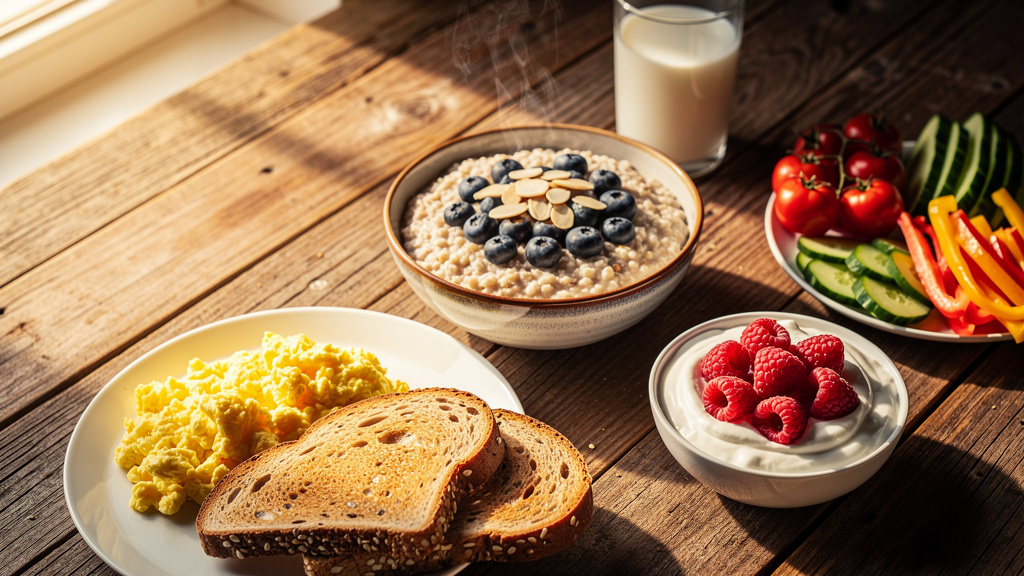
If someone asks where to start with how to reduce sugar cravings, my answer is often: “protein and fiber at every meal.” These two act like anchors on the plate. They:
- Slow the release of sugar into the blood
- Keep you full and satisfied
- Calm the brain’s urge to look for a quick hit of sweetness
Good protein sources include lentils, beans, paneer, tofu, eggs, yogurt, lean meats, fish, nuts, and seeds. Fiber comes from whole grains, fruits, vegetables, pulses, and beans, especially when the peel or husk stays on.
Simple meal ideas that use this “power duo”:
- Breakfast: Overnight oats with milk, nuts, and fruit; or a vegetable omelet with wholegrain toast.
- Lunch: Chickpea salad with lots of vegetables and olive oil; or dal with brown rice and mixed vegetable sabzi.
- Dinner: Grilled chicken or tofu with quinoa and roasted vegetables; or vegetable khichdi with a bowl of curd.
Nothing fancy just steady, filling meals that quietly reduce cravings.
Smart Food Swaps That Satisfy Without The Sugar Spike
Many people think that learning how to reduce sugar cravings means giving up all the foods they like. In practice, small swaps can change a lot without making life miserable.
At breakfast:
- Swap sugary cereals or flavored yogurts for plain oats, no-added-sugar muesli, or simple wholegrain toast.
- Skip spoonfuls of sugar and use banana slices, berries, a spoon of peanut butter, or cinnamon for gentle sweetness.
In main meals:
- Watch for hidden sugar in ready-made sauces, salad dressings, and condiments like ketchup or sweet chili sauce.
- Make simple tomato- or yogurt-based sauces at home when possible, or compare labels and pick options with less sugar per 100 g.
In drinks:
- Sweet soda, energy drinks, fancy coffee beverages, and sweetened juices are major sugar sources.
- Replace them with water, sparkling water with lemon or lime, herbal tea, or lower-fat milk. Keep fruit juice or smoothies to a small glass with a meal.
For snacks:
- Swap cakes, cookies, and sugary cereal bars for nuts, plain popcorn, rice cakes, oatcakes, carrot sticks with hummus, or fresh fruit.
- If you still want chocolate or biscuits, practice portion control one biscuit instead of two, or half a chocolate bar saved for the next day.
These changes keep food enjoyable while steadily lowering added sugar.
Struggling With Sugar Cravings?
Our certified dietitian can guide you on how to reduce sugar cravings naturally, improve your nutrition, and build a sustainable, healthy eating plan. Take control of your health today!
Consult Our Dietitian NowThe Critical Role Of Hydration In Controlling Cravings

Many clients are surprised when I say that drinking more water is a core part of how to reduce sugar cravings. Yet the body often confuses mild dehydration with hunger or a sugar urge. The brain senses that something is off and asks for “energy,” and the quickest energy it knows is sugar.
Hydration also affects blood sugar more directly. When you are well hydrated, sugar in the blood is less concentrated, and levels move more gently. When the body is dry, even small amounts of sugar create sharper peaks and dips, which can fuel cravings.
A simple habit I suggest:
When a sudden craving appears, drink a full glass of water and wait 10–15 minutes before eating something sweet.
Helpful hydration tips:
- Sip water regularly through the day instead of “catching up” at night.
- Use a bottle with markings or phone reminders if you tend to forget.
- Add lemon, cucumber, mint, or a splash of unsweetened herbal tea to make water more appealing.
- Cut sugary drinks step by step: mix soda with sparkling water at first, or dilute juice with water until your taste adjusts.
Over time, taste buds change, and the urge for very sweet drinks usually fades.
How Sleep, Stress, And Movement Impact Your Sugar Cravings
Food is not the only factor in how to reduce sugar cravings. Many people eat fairly well but still feel pulled toward sweets at certain times of day. Often, the missing pieces are sleep, stress care, and movement. These three strongly influence hormones that control hunger, fullness, and mood.
When sleep is short, hunger hormones go out of balance. When stress is high, the brain associates sugar with comfort. When movement is low, energy feels stuck and tired. Addressing these areas can cut cravings even without huge diet changes.
Why Quality Sleep Is Non Negotiable For Craving Control

Sleep is one of the quiet heroes in craving control. Trying to fix food without fixing sleep is like trying to fill a bucket that has a hole.
Two hormones help explain this:
- Ghrelin increases hunger.
- Leptin signals fullness.
When someone sleeps less than their body needs, ghrelin rises and leptin drops. They wake up hungrier and stay hungrier through the day, often craving high-sugar, high-fat comfort foods rather than salad.
Helpful sleep habits:
- Aim for 7–8 hours of sleep most nights.
- Go to bed and wake up at similar times, even on weekends.
- Keep the bedroom dark, cool, and quiet, and avoid screens for 30–60 minutes before bed.
- Limit caffeine later in the afternoon.
Even small moves toward better sleep often lead to fewer and weaker sugar cravings.
Managing Stress And Emotional Triggers: Breaking The Comfort Food Cycle
Stress eating is not a moral failure; it is a learned way of coping. During stressful times, the body releases cortisol and other stress hormones that push it to look for fast energy and comfort, and studies examining the (PDF) Effects of sugar on brain chemistry have documented how sugar-rich diets influence serotonin levels, anxiety, and eating behavior patterns. Sugary foods give short-term relief and a sense of soothing.
A practice I teach at Nutridate with Priyanka is a short pause before eating, especially when a craving feels sudden:
- Ask yourself: “Is my stomach hungry, or is my mind tired, bored, lonely, or upset?”
- If the answer points more to emotion than to real hunger, try another form of comfort first.
Alternatives that can help break the stress–sugar link:
- A 5–10 minute walk
- A few rounds of deep breathing
- Prayer or meditation
- Writing thoughts in a notebook
- Phoning a friend
- Listening to calming music
- Sipping herbal tea
Emotional eating often builds over many years, so change takes time. Every time you choose a different response, even once in a while, you are re-training your brain.
Movement As Medicine: How Exercise Reduces Cravings
Movement is one of the most underused tools for how to reduce sugar cravings. Exercise changes chemistry in the brain and body:
- Releases endorphins, which lift mood more steadily than sugar
- Lowers stress hormones like cortisol
- Helps regulate insulin and ghrelin, which can calm constant hunger
You do not need long or intense workouts. Many people do well with:
- 20–30 minutes of walking, light jogging, or cycling
- Yoga, stretching, or an online dance session
- Short walks after meals
I often suggest timing movement around “danger zones” for sugar for example, a walk after lunch to reduce the 4 pm snack attack, or an evening walk after dinner to reduce late-night dessert habits. The key is choosing activities that feel doable and, ideally, enjoyable.
Psychological Strategies And Environmental Design To Outsmart Cravings
Willpower helps, but it runs out quickly. A smarter way to work on how to reduce sugar cravings is to shape your environment and daily habits so that better choices are the easiest ones.
Psychological tools help you slow down and notice what is really happening in craving moments. Environmental design reduces how often those moments appear at all. Think of these strategies as gentle “guard rails” around your health, not as punishment.
Plan Ahead: The Power Of Meal Prep And Strategic Snacking
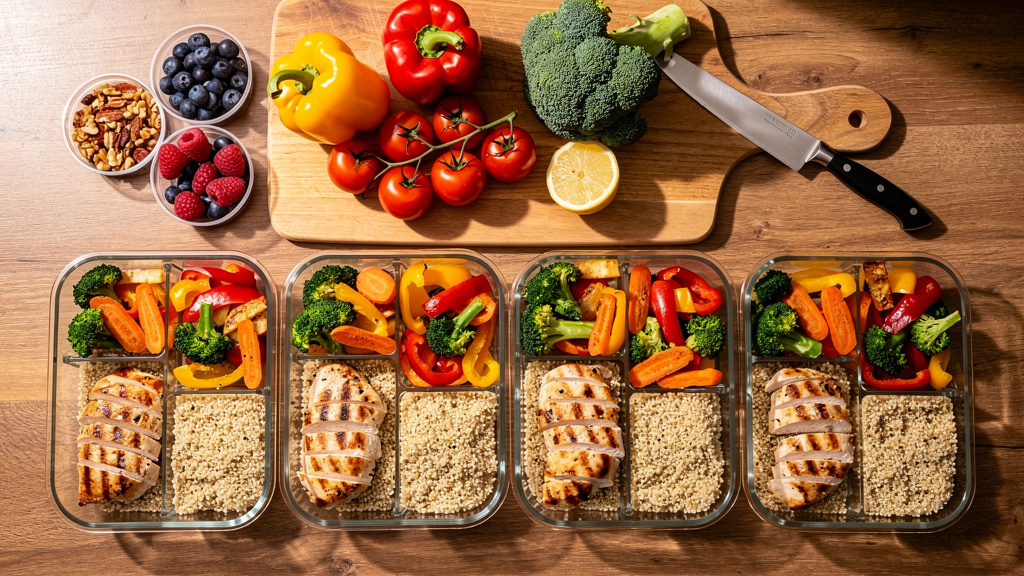
Hunger is the enemy of smart decisions. When you wait too long to eat, the rational part of the brain goes quiet and the craving part takes over. Then the question shifts from “What is best for me?” to “What is fastest?”
Planning ahead lowers the chances of that happening:
- Write a simple meal plan and shopping list for the week.
- Prep basics like chopped vegetables, cooked dal or chicken, boiled eggs, and cooked grains.
- Keep ready-to-eat snacks such as nuts, fruit, yogurt, roasted chana, or cheese sticks.
For people with long workdays or commutes, I like to include “emergency options” in the plan foods that can live in a desk drawer or bag. At Nutridate with Priyanka, I treat snacks as part of the plan, not an afterthought, because thoughtful snacking prevents many sugar crashes later.
Control Your Visual Environment: Out Of Sight, Out Of Mind
Humans are strongly influenced by what they see. Many people feel fine until they walk past a jar of candy, see a cake on the counter, or spot a dessert photo while scrolling.
Simple environment tweaks:
- Keep biscuits, chocolates, and ice cream in opaque containers on higher shelves, not at eye level.
- Place healthier options like fruit, yogurt, or nuts where they are easy to see and grab.
- In shared homes, agree on one cupboard or shelf for treats and avoid opening it except on planned occasions.
At work, it helps to prepare a polite sentence in advance, such as: “No thanks, I’m good right now,” when sweets go around. Having the words ready reduces pressure in the moment.
Track Patterns Through Mindful Awareness And Journaling
Many people are surprised when they track their intake and see how often sugar appears. A biscuit here, a candy there, sugar in every coffee, dessert at night these small items add up.
For one or two weeks, try writing down:
- What you eat and drink
- When you have it
- How you feel at the time
Patterns often jump out, like “I hit the vending machine every day at 4 pm,” or “I reach for sweets when I feel lonely in the evening.” Once you see these patterns on paper, they are much easier to change.
As a classic saying in behavior change goes, “What you notice, you can change.”
For people with a history of eating disorders, detailed food logging can feel unsafe. In those cases, I suggest tracking positive habits instead glasses of water, servings of vegetables, or how often you paused to check your hunger level. At Nutridate with Priyanka, we review these patterns gently in weekly check-ins and adjust the plan without shame.
Taking A Sustainable Approach: Moderation Over Deprivation
Many diet trends promise fast results through strict rules. “No sugar for thirty days” or harsh detox programs sound tempting, especially for someone desperate to learn how to reduce sugar cravings. The problem is that these extreme approaches often work briefly, then backfire.
When the mind hears “never” or “forbidden,” it tends to think even more about that food. One stressful day can lead from perfect restriction to a big binge, followed by guilt and the feeling of having “failed.”
A steadier approach focuses on moderation. Instead of banning all sugar, you reduce how often it appears, shrink portions, and improve what surrounds it. Most of the plate is filled with nourishing, satisfying food, and treats are enjoyed in a thoughtful way.
My “food freedom, not restrictions” philosophy at Nutridate with Priyanka rests on this idea. It allows space for birthday cake, wedding sweets, or a favorite dessert on special evenings, while still supporting health goals.
Why Cold Turkey Often Fails: The Case For Gradual Change
Going “cold turkey” off sugar sounds strong at first. For a few days, motivation can feel high. Then, as the brain and body miss their usual sugar hit, cravings rise sharply, mood worsens, and small daily stressors feel bigger.
One trigger an argument, a rough day at work, or passing a bakery can break the rule. Because the rule was “no sugar at all,” even a small slip feels like a major failure and often leads to “I’ve ruined it, so I may as well eat everything.”
Gradual change works differently. Instead of “no sugar ever,” you might:
- Cut sweet drinks in half
- Switch to less sugary breakfast choices
- Limit dessert to a few evenings per week
Each step is small enough to stick with, yet together they lower sugar intake in a big way. Weekly wins build confidence and make long-term success far more likely.
Practicing Portion Control And Mindful Indulgence
A life with zero sweets feels joyless for most people and it is not necessary. The key is mindful indulgence and simple structure around portions.
One helpful mindset is to “budget” treats, just like money. For example:
- Enjoy dessert mainly on weekends or social occasions, not automatically every night.
- Choose one favorite sweet instead of many random ones.
Practical portion tactics:
- Serve sweets in a small bowl or plate instead of eating from the packet.
- Share desserts at restaurants.
- Buy single-serve packs instead of family-size tubs.
- Eat slowly, set utensils down between bites, and really taste the food.
Many people like the 80–20 idea: about 80 percent of intake comes from nourishing foods, and 20 percent from flexible, social, or treat foods. This pattern lets people learn how to reduce sugar cravings while still enjoying sweets calmly and without guilt.
When To Seek Professional Support For Persistent Cravings
Some people can manage their sugar intake using the steps in this article alone. Others, despite many attempts, still feel stuck. If you keep asking how to reduce sugar cravings, trying new rules every month, and returning to the same place, it may be time to look deeper.
There is no shame in needing help. Sugar cravings can be linked to:
- Diabetes and insulin resistance
- PCOS and other hormone conditions
- Thyroid problems
- Certain medications
- Past trauma or long-standing emotional patterns
Professional guidance brings an outside view and a science-based plan that fits both your body and your life.
Recognizing When Cravings Indicate A Deeper Issue
Persistent cravings often signal deeper imbalances. Signs that extra support would be wise include:
- Feeling completely out of control around sugar, even after trying several strategies
- Strong cravings combined with constant fatigue, brain fog, low mood, or anxiety
- Weight that keeps rising or refuses to change despite genuine effort
- Diagnosed conditions such as diabetes, PCOS, thyroid disorders, or metabolic syndrome
- A history of binge eating or other disordered patterns
In these cases, the issue is not lack of effort. The body simply needs more targeted care, often combining nutrition, medical checks, and support for emotions.
The Value Of Personalized Nutrition Guidance
A registered dietitian or experienced nutrition consultant brings together medical knowledge, food science, and real-life experience. Instead of using a generic chart, they take time to understand:
- Medical history and lab reports
- Sleep quality and stress levels
- Work schedule and family habits
- Cultural foods and preferences
Lab work such as blood sugar, HbA1c, insulin, lipid profile, and thyroid tests can explain why cravings feel so strong. When I review these reports at Nutridate with Priyanka, I look for patterns that link to symptoms, then shape a food plan that steadies blood sugar, supports hormones, and matches daily routines.
My programs focus on:
- Diabetes nutrition
- PCOS and hormonal health
- Weight management and binge eating
- Gut health
A key part of my approach is regular support. Clients do not just receive a chart and disappear. Through WhatsApp check-ins and weekly follow-ups, we review what is working, where cravings still feel strong, and what needs adjustment.
I often tell clients, “You don’t need another diet; you need a structure that still works on your hardest days, not just your easiest ones.”
Over time, people report fewer binges, steadier energy, better lab numbers, and a calmer mind around food.
A Quick Recap
Learning how to reduce sugar cravings is not about perfection. It is about small, steady shifts in how you eat, sleep, move, drink water, and handle stress. Cravings may start in brain chemistry and hormones, but they soften when meals are balanced, water intake goes up, sleep improves, and your environment stops pushing sweets at every turn.
The aim is not a life with zero sugar. It is a life where sugar no longer controls your mood, weight, or health. A life where you can enjoy a piece of cake at a wedding or a favorite dessert with family without sliding into days of overeating or self-hate.
Change takes time, and there will be days when old habits feel louder. On those days, self-compassion matters as much as any food rule. Choosing one small step drinking water, taking a short walk, eating a protein-rich snack keeps you moving in the right direction.
If cravings feel tied to deeper medical or emotional issues, you do not have to face them alone. Through Nutridate with Priyanka, I support clients with personalized plans, regular check-ins, and a food freedom mindset that respects culture and real life. Whoever you are a busy professional, an international student, a bride-to-be, or someone managing chronic illness you deserve a calm mind around food. Taking even one step from this guide brings that reality closer.
Struggling With Sugar Cravings?
Our certified dietitian can guide you on how to reduce sugar cravings naturally, improve your nutrition, and build a sustainable, healthy eating plan. Take control of your health today!
Consult Our Dietitian NowThe time needed to calm sugar cravings varies. It depends on how much sugar you currently eat, how steady your meals are, sleep quality, and stress levels. Many people notice fewer and weaker cravings within 1–2 weeks of lowering added sugar, drinking more water, and adding more protein and fiber. The brain’s reward system starts to adjust during this time. Deeper habit change often takes several weeks to a few months, so patience really helps with how to reduce sugar cravings in a lasting way.
The main goal is to reduce the overall need for intense sweetness, not just swap one sweetener for another. Some people find that natural low-calorie options such as stevia or monk fruit extract help during early steps. Others use small amounts of raw honey or maple syrup, remembering that these still count as sugar. I prefer to focus on naturally sweet whole foods like fruit, which bring fiber and nutrients along with sugar. Gradually reducing how sweet you make tea, coffee, and homemade dishes helps taste buds reset and supports long-term control of sugar cravings.
Whole fruits contain natural sugar, but they also provide fiber, water, and many vitamins and minerals. The fiber slows how fast sugar enters the blood and makes fruit far gentler than sweets or fruit juice. For most people, two to three servings of whole fruit per day fit well into a balanced plan and do not block weight loss. The main caution is with fruit juice and large smoothies, which concentrate sugar and remove or break down fiber. People with diabetes or strong insulin resistance may need more specific guidance, which I provide in my programs at Nutridate with Priyanka.
Evening sugar cravings are very common. Reasons include:
Eating dinner very early or skipping it, so you feel truly hungry later
Dessert after dinner becoming a strong habit linked to relaxation
End-of-day fatigue making willpower weaker and comfort more tempting
To calm this pattern:
Eat a balanced dinner with enough protein and fiber so you stay satisfied.
Brush your teeth soon after dinner to signal that the kitchen is “closed.”
Create a new evening routine herbal tea, reading, light stretching, or a warm shower.
If you are genuinely hungry, choose a small protein-rich snack (like yogurt or nuts) instead of sugary treats.
Short, strict sugar detox plans sound attractive because they promise a fast reset. In practice, they usually feel harsh and are not supported by most nutrition experts. Your body already has organs like the liver and kidneys that handle detox work every day. Abruptly cutting all sugar can cause strong withdrawal-like symptoms, intense cravings, and a higher chance of later binge eating. A steadier, realistic approach works better for how to reduce sugar cravings: gradually lower added sugar while increasing whole foods, water, sleep quality, and movement. If you want a structured start, working with a professional for a personalized plan is safer than following a generic cleanse.