Is Brown Bread Healthy for Weight Loss? Complete Indian Guide
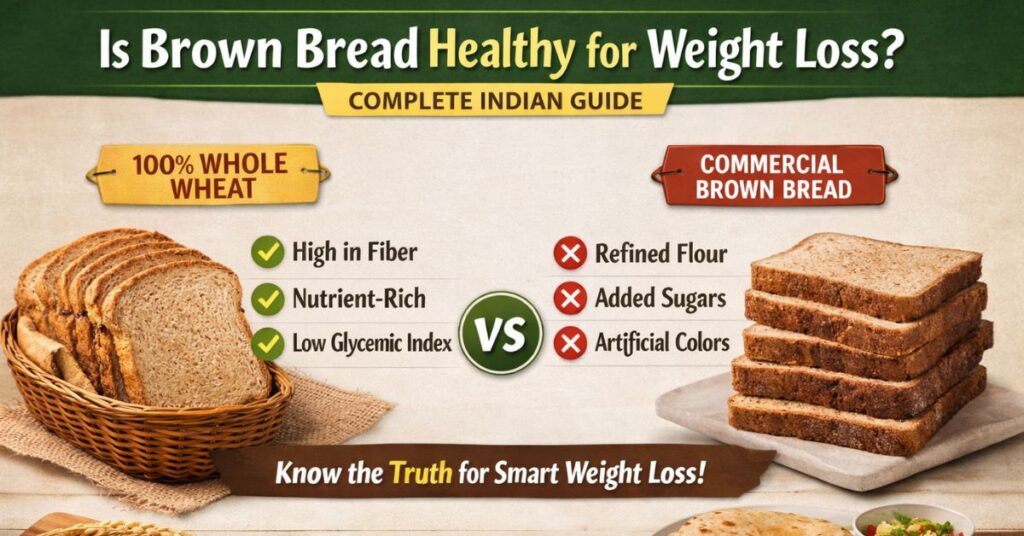
For many people, the first step towards “eating healthy” is a simple swap. White bread goes out, brown bread comes in, and it feels like a smart move for the waistline. It sounds logical, so it is natural to assume that this one change will speed up weight loss. The big question that follows is simple and very common – is brown bread healthy for weight loss or is it just clever marketing?
Walk through any supermarket in India and the shelves are crowded with brown bread, multigrain loaves and “high fibre” options. At home, there may also be the age‑old choice between toast and a fresh roti. With labels shouting “wheat”, “healthy” and “diet”, it becomes hard to know what actually helps with fat loss, diabetes, PCOD, or stubborn bloating.
This is where things get tricky. Not all brown bread is equal, and the colour of a slice tells very little about how it behaves in the body. By the end of this article, the idea is that the confusion fades. The aim is to show how to spot truly healthy bread, how it affects hunger and blood sugar, when it can support weight loss, and when it quietly slows progress. This is the same, simple, science‑based approach used at Nutridate with Priyanka to guide real clients through real plate‑level changes that feel practical, not punishing.
“Small swaps only work when they are based on facts, not on packaging,” as many experienced nutritionists like to say.
Confused About Brown Bread & Weight Loss?
Not all brown bread is actually healthy. A registered dietitian can help you understand labels, portion size, best Indian alternatives, and how to include bread without slowing your weight loss. Get clarity, not myths.
Talk to a Dietitian for Weight LossWhat Actually Is “Brown Bread”? Understanding The Deception Behind Colour
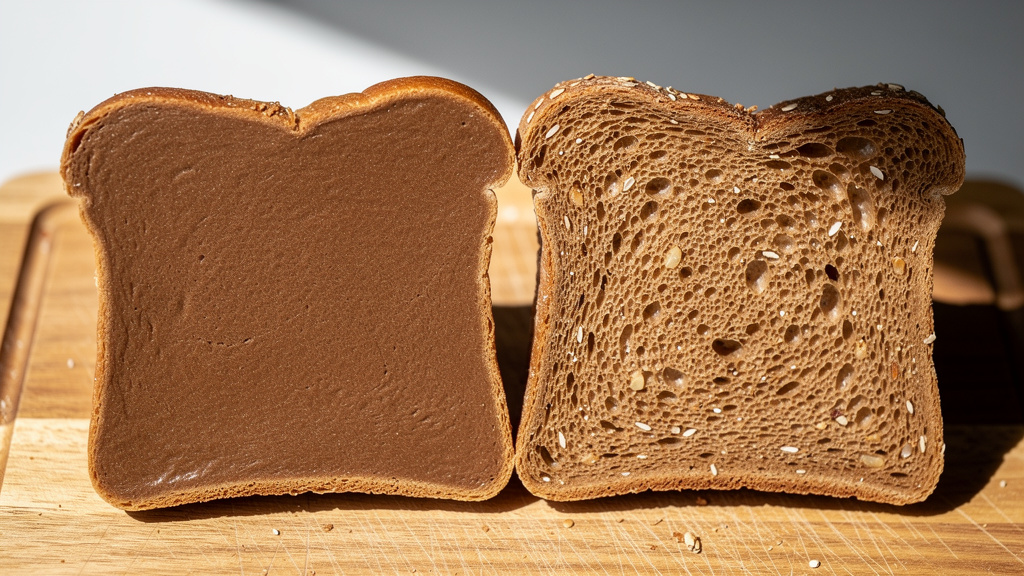
At first glance, brown bread looks healthier than soft white slices. The deeper colour suggests more grain, more fibre and better nutrition. In reality, that brown shade often comes from a colour additive, not from whole grains. Many commercial loaves use caramel colour (INS 150) to make the bread look wheat‑rich even when it is mostly refined flour.
Caramel colour itself adds no nutrition. Some forms may contain a by‑product called 4‑methylimidazole, which has raised health concerns when taken in large amounts over time. For someone already dealing with inflammation, insulin resistance or sensitive digestion, regularly eating heavily coloured bread is not ideal, especially when there is no real fibre benefit to balance it.
True whole wheat bread, on the other hand, is made from flour that keeps all three parts of the wheat grain:
- Bran – rich in fibre and some B vitamins
- Germ – carries vitamins, minerals and healthy fats
- Endosperm – mainly starch and protein
When all three stay together, the bread behaves very differently in the body compared with bread made from stripped‑down, refined flour.
As the Harvard T.H. Chan School of Public Health explains, “Whole grains contain the bran, germ, and endosperm in their original proportions.”
Most supermarket “brown bread” in India sits somewhere in the middle. The ingredient list usually reveals a base of refined wheat flour (maida), plus a smaller amount of whole wheat flour, sugar, salt, oil, yeast, preservatives and caramel colour. That means the slice may look dense and wholesome, yet act in the body much like white bread. This is why reading the ingredients is far more reliable than trusting the shade of the loaf, especially for someone who is already making an honest effort to lose weight.
The Nutritional Truth – Whole Wheat Bread Vs Commercial Brown Bread
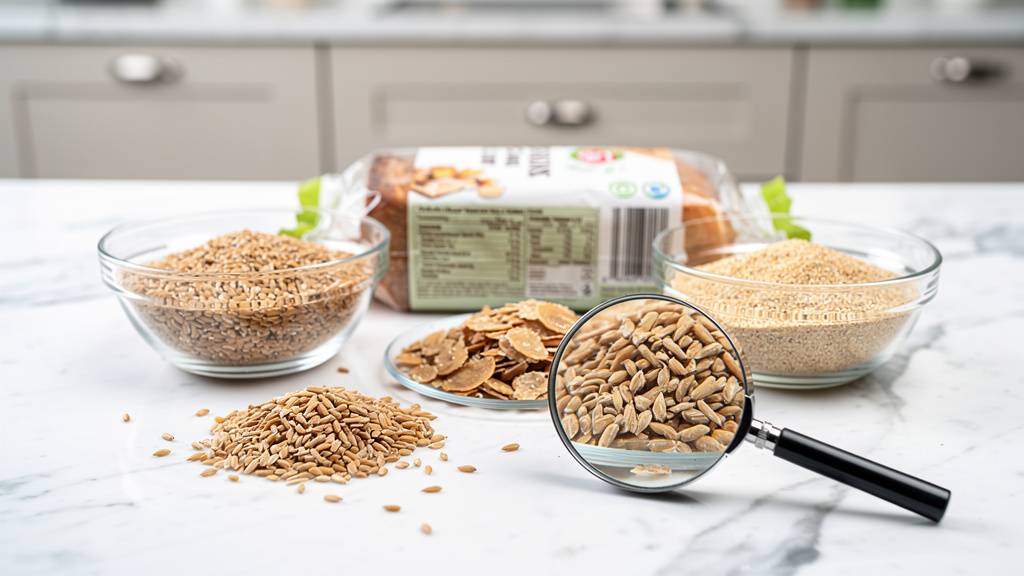
Colour does not tell the whole story, but the nutrition label and ingredient list do. When genuine 100% whole wheat bread is placed next to common commercial brown bread, the difference becomes very clear. One works with the body’s hunger and blood sugar signals, while the other fights against them.
The main gap lies in fibre. Whole wheat bread made from the full grain contains much more fibre than bread based mostly on maida. Fibre slows digestion, keeps a person full for longer and steadies blood sugar. Refined‑flour brown bread digests quickly, gives a fast glucose spike, and often leaves a person hungry again within a short time. For weight loss, that difference in fullness can decide whether a person reaches for an extra snack.
Micronutrients matter too. The refining process strips away most B vitamins, iron, calcium and magnesium from the grain. Some brands add back a little through fortification, but this never matches the natural package present in real whole wheat. These vitamins and minerals support energy levels, hormone balance and muscle function, all of which play a role when someone is trying to reduce fat, manage PCOD or control diabetes.
The table below summarises how a slice of good quality 100% whole wheat bread compares with a typical commercial brown bread slice.
| Parameter | 100% Whole Wheat Bread | Typical Commercial Brown Bread |
|---|---|---|
| Dietary fibre (per slice) | High, often 3–6 g, from intact bran and germ | Low, often under 2 g, due to high maida content |
| Glycaemic Index | Lower, slower rise in blood sugar | Higher, quick spike and crash in blood sugar |
| B vitamins | Naturally present in meaningful amounts | Much reduced; may be partly added back through fortification |
| Minerals (Fe, Ca, Mg) | Present in good amounts from the full grain | Significantly lower because bran and germ are removed |
| Protein content | Moderate, often 3–6 g per slice | Slightly lower and less satisfying |
| Added sugars | Can be minimal in better brands | Often higher to improve taste |
| Artificial colours | Usually absent in true whole wheat loaves | Commonly present as caramel colour (INS 150) |
| Satiety factor | Keeps a person full for longer and reduces snacking | Short‑lived fullness, linked with frequent hunger and cravings |
From a weight loss point of view, this means real whole wheat bread offers more nutrient‑dense calories. The body receives fibre, protein and micronutrients along with energy. Refined‑flour brown bread gives calories that are quick to digest, quick to raise blood sugar and quick to disappear, which pushes many people into a cycle of overeating even when they believe they are making healthier choices.
Hidden Ingredients In Commercial Brown Bread That Sabotage Weight Loss
A lot of effort goes into looking healthy on the bread shelf. Behind the glossy packaging, many brown breads carry additives that quietly slow fat loss and can irritate health conditions. The main issue is not bread as a food type, but the way it is produced for long shelf life and instant taste appeal.
The base of many supermarket brown breads is refined flour or maida. During milling, up to 80% of the natural vitamins, minerals and fibre are lost. What remains is mainly starch, which breaks down quickly into sugar in the body. This gives a fast rise in blood glucose, followed by a strong insulin response and later a slump, which is not what someone trying to control cravings needs.
On top of this refined base, several hidden ingredients are often added:
- Added sugar: Improves flavour and texture, even when the bread does not taste very sweet. Small amounts across multiple slices add up, raising overall calorie intake and pushing blood sugar even higher.
- Excess salt (sodium): Packaged breads can contain a surprising amount of salt, which may cause water retention and strain blood pressure.
- Preservatives and conditioners: Used to keep mould away and maintain softness so the loaf can sit on shelves for days or weeks. Their presence is a sign that the product is heavily processed.
- Low‑quality fats: Some breads use refined or hydrogenated oils to improve softness and shelf life, which do nothing good for heart health.
- Yeast sensitivity in some people: Yeast itself is not harmful for everyone, but people with very sensitive digestion sometimes notice bloating or discomfort after regular intake of yeasted, packaged bread.
A useful rule of thumb: “The longer the ingredient list on bread, the further it is from the original grain.”
When all of these hidden ingredients come together, the result is a food that looks like a “diet” choice but often keeps people stuck. Many clients at Nutridate with Priyanka come in confused, saying they switched to brown bread and still did not see fat loss. Once the label is studied, the reason usually becomes obvious.
Can Brown Bread Support Weight Loss? The Science Behind Satiety And Blood Sugar
Bread does not have to be the enemy of weight loss. The real question is what kind of bread appears on the plate and how the rest of the meal looks. To understand whether brown bread helps or harms, it helps to see how it affects fullness and blood sugar.
In genuine 100% whole wheat bread, fibre is the hero. When fibre reaches the stomach, it absorbs water and adds bulk to the meal without adding many calories. This stretch sends signals to the brain that the stomach is comfortably filled. At the same time, fibre slows the movement of food through the gut, so the person stays full for longer and is less likely to reach for biscuits or namkeen soon after eating.
Blood sugar also behaves better with high‑fibre, whole grain bread. When digestion is slower, glucose enters the blood at a steady pace instead of in a rush. Insulin rises more gently, which supports fat burning between meals rather than constant fat storage. For someone trying to answer “is brown bread healthy for weight loss”, this controlled blood sugar response is one of the most important benefits of true whole wheat bread.
Refined brown bread made from maida creates a very different picture. The lack of fibre means the starch breaks down quickly, sending a wave of glucose into the bloodstream. Insulin surges to manage this, and once the sugar is cleared, levels can drop sharply. That “crash” often feels like sudden hunger, low energy and an urge to eat something sweet or starchy again. Over time, this pattern forms a hunger cycle that fights against calorie control.
Complex carbohydrates from whole grains are not the enemy. They can provide steady energy, support digestion and keep hormones steadier when combined with protein and healthy fats. A slice or two of real whole wheat bread, topped with boiled egg, paneer, hummus or peanut butter, can fit well into a weight loss plan. The issue arises when large amounts of low‑fibre, refined brown bread appear in meals without enough protein, vegetables or good fats to balance them.
Brown Bread Vs Wheat Roti – Which Is Better For Weight Loss In An Indian Context?
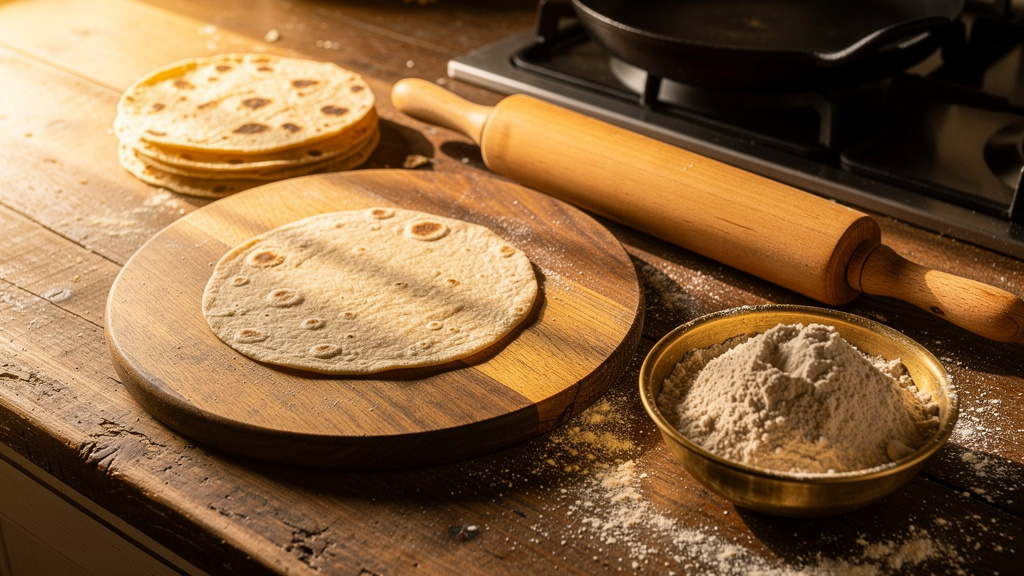
For many Indian families, the real daily choice is not between brown and white bread, but between toast and roti. When the goal is steady fat loss and better health, this choice becomes very important. Freshly made wheat rotis often come out ahead of packaged brown bread on almost every measure.
A basic wheat roti uses just two ingredients, whole wheat flour (atta) and water. It is rolled and cooked just before eating. There is no need for preservatives, colour, added sugar or yeast. This simplicity means the body receives the full grain, along with its fibre and nutrients, without any extra chemicals. In contrast, commercial brown bread must survive transport and storage, so it usually carries several additives alongside a base of maida.
Rotis also provide better satiety for many people. The dough and cooking style give a slightly denser bite, and the starch in atta digests more slowly than in many bread brands. This slow digestion means fewer blood sugar spikes and a longer gap before hunger returns. When rotis are eaten with dal, sabzi and curd, the mix of fibre, protein and fat adds even more staying power to the meal.
Another major advantage is customisation. At home, the atta can easily include jowar, bajra or ragi to support specific health needs such as diabetes control, PCOD management or thyroid issues. This kind of simple, cultural tweak is something Nutridate with Priyanka uses often while designing practical menus that fit Indian kitchens and routines.
The table below compares common commercial brown bread with a regular homemade wheat roti for daily, weight‑focused eating.
| Parameter | Commercial Brown Bread | Wheat Roti (Chapati) |
|---|---|---|
| Ingredients and purity | Often maida‑based with sugar, oil, salt, yeast, preservatives, colour | Whole wheat flour and water, with optional ghee at home |
| Freshness and additives | Packaged for long shelf life, needs preservatives | Cooked fresh, no preservatives required |
| Nutrient retention | Lower, due to refined flour and processing | Higher, as atta keeps bran and germ |
| Satiety and digestion | Digests faster, shorter fullness, may cause sugar spikes | Digests slower, longer fullness and steadier blood sugar |
| Customisation options | Limited to what the brand offers | Easy to mix in jowar, bajra, ragi or seeds |
| Cultural relevance | Western‑style staple, often used for quick snacks | Long‑standing Indian staple that suits local eating patterns |
| Practical convenience | Very quick, ready to toast | Needs a little time, but fits into regular cooking |
| Cost‑effectiveness | Higher cost per serving for good brands | Atta is more economical over time |
For daily meals, especially when someone is serious about losing fat and managing health numbers, rotis usually offer better value in terms of nutrition, fullness and cost. Bread can still have a place, especially for busy workdays or travel, but treating it as an occasional helper rather than the main grain often works far better.
Confused About Brown Bread & Weight Loss?
Not all brown bread is actually healthy. A registered dietitian can help you understand labels, portion size, best Indian alternatives, and how to include bread without slowing your weight loss. Get clarity, not myths.
Talk to a Dietitian for Weight LossYour Step‑By‑Step Guide To Choosing Truly Healthy Bread For Weight Loss

Bread can fit into a slimming plan, but only when chosen with care. The front of the pack is designed to sell, not to inform. Claims like “brown”, “wheat”, “multigrain” or even pictures of grains can hide what actually sits inside the loaf. A simple stepwise check makes shopping much easier.
Step 1: Start with the ingredient list, not the claims.
The first ingredient should clearly say “whole wheat flour” or “100% whole wheat flour”. If it just says “wheat flour” or “refined wheat flour”, that almost always means maida. When maida comes first and whole wheat appears later in the list, the bread is closer to white bread than to a true whole grain option.
Step 2: Look for percentages of whole grains.
Some honest brands share how much of the flour is whole wheat. A loaf with 70% whole wheat is better than one with 30%, but a 100% whole wheat loaf is best for weight‑focused eating. Watch out for small print where whole grains appear in tiny amounts only to support a “made with whole grains” claim on the front.
Step 3: Scan for red flags.
Check for:
- Caramel colour – shows that the brown shade may be artificial.
- A long list of different sugars (glucose syrup, dextrose, malt syrup).
- Hydrogenated or refined oils, which signal poor‑quality fat.
- Multiple preservatives, which show heavy processing.
A shorter, more familiar ingredient list is usually a safer bet.
Step 4: Read the nutrition table.
For weight loss, useful targets per slice are:
- At least 3 g of fibre (5 g or more is excellent)
- Around 1–2 g of sugar
- Sodium ideally under 150 mg
Comparing two brands side by side in this way is far more honest than trusting labels like “high fibre”.
Step 5: Consider home baking when possible.
For some people, the best answer to “is brown bread healthy for weight loss” is to skip supermarket bread entirely and bake at home instead. A simple bread maker or stand mixer gives full control over flour type, salt, sugar and added seeds. At Nutridate with Priyanka, bread choices are often adjusted according to health conditions such as diabetes, PCOD or thyroid issues, so that even a simple toast at breakfast matches the body’s needs rather than fighting them.
Think of it this way: the more control you have over the ingredients, the more control you gain over your results.
Healthier Indian Alternatives – Exploring Millet Rotis For Better Weight Loss
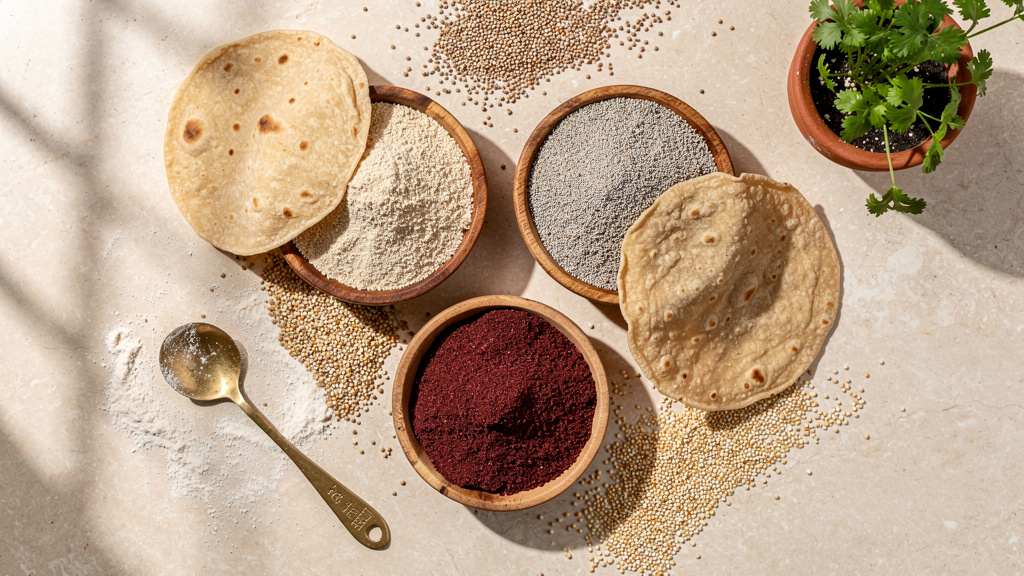
Once someone feels comfortable with wheat rotis over packaged brown bread, the next step can be even more powerful. Traditional Indian millets such as jowar, bajra and ragi offer higher fibre, richer micronutrients and better blood sugar control than many wheat‑based options. Millet rotis fit naturally into Indian meals and support long‑term health as well as fat loss.
Jowar rotis are a helpful choice for those watching their weight or managing diabetes. Jowar is naturally gluten‑free and high in fibre, which means its rotis digest slowly and keep blood sugar steadier. The grain also carries antioxidants that support general health. Many people find that including jowar a few times a week reduces cravings and afternoon slumps.
Bajra (pearl millet) has its own strengths. It is richer in iron than many common grains and gives a solid mix of protein and fibre. Bajra rotis tend to feel very satisfying, which helps with portion control. In many parts of India, bajra is eaten in winter as it is thought to keep the body warm and provide lasting energy, a benefit that also serves anyone on a weight loss path.
Ragi stands out for its calcium content. For women after pregnancy, during pre‑wedding slimming or in early bone‑health care, ragi rotis can support both weight loss and bone strength. Ragi’s fibre and special amino acids may help calm appetite and improve sleep quality, which is often overlooked but very important for fat loss and hormone balance.
Rotating between wheat, jowar, bajra and ragi through the week covers a wider set of minerals and vitamins than relying on any single grain. For those new to millets, a simple first step is to mix a small portion of millet flour with regular atta. At Nutridate with Priyanka, this kind of gradual, gentle shift is used often so the plate becomes richer in nutrients without feeling restrictive or strange.
A Quick Recap
So, is brown bread healthy for weight loss? The honest answer is that it depends entirely on what sits inside the packet. Genuine 100% whole wheat bread, eaten in sensible portions as part of balanced meals, can support fullness, stable blood sugar and better health markers. Many supermarket brown breads, however, are little more than coloured white bread with added sugar, salt and preservatives.
For daily eating in Indian homes, freshly made wheat rotis, and even better, millet rotis, usually offer a stronger foundation for fat loss and for managing concerns like diabetes, PCOD and inflammation. They are simple, additive‑free and fit naturally with dals, sabzis and traditional cooking.
Long‑term fat loss does not come from one “magic” swap but from many small, clear food choices repeated day after day.
The real power lies in reading labels, asking the right questions and choosing grains that support the body rather than trick the eye. Sustainable fat loss does not come from one change but from a series of clear, informed choices that feel realistic for the long term. If the scale is not moving despite honest effort, guidance can help.
At Nutridate with Priyanka, nutrition plans are personalised, science‑based and rooted in everyday Indian food, not imported fads. If there is confusion about bread, rotis or any staple, or if weight seems stuck despite trying hard, reaching out for expert support can turn that effort into real, visible change.
Confused About Brown Bread & Weight Loss?
Not all brown bread is actually healthy. A registered dietitian can help you understand labels, portion size, best Indian alternatives, and how to include bread without slowing your weight loss. Get clarity, not myths.
Talk to a Dietitian for Weight LossBrown bread is only better than white bread for weight loss when it is truly made from 100% whole wheat flour. In that case, the higher fibre content supports fullness and steadier blood sugar. Many commercial brown breads, however, are just white bread with colour and small amounts of whole wheat. In those cases, the effect on the body is very similar to white bread, so checking the ingredient list is vital.
Portion size still matters, even when the bread is genuinely whole wheat. For most people, one or two slices per meal are enough, especially when paired with good protein, some healthy fat and vegetables. That combination keeps hunger in check and supports muscle while weight drops. Needs vary based on height, activity, health conditions and the rest of the diet, so some people may need less or can handle a bit more.
No single food directly targets belly fat, but eating a lot of refined brown bread can add to overall fat gain. Maida‑based brown bread has a high glycaemic impact, which triggers sugar spikes, strong insulin release and frequent hunger. That pattern often leads to extra snacking and extra calories, which then appear as fat around the stomach and elsewhere. True whole wheat bread, eaten in moderation, does not specifically cause belly fat.
People with diabetes need to be extra careful with bread choices. Commercial brown bread made largely from refined flour can raise blood sugar quickly and is usually not a good idea. A small amount of real 100% whole wheat bread, combined with protein and salad, may fit into some diabetes meal plans. Many diabetics do even better with millet rotis such as jowar, which have a lower glycaemic impact. Personal guidance, such as the diabetes‑friendly plans at Nutridate with Priyanka, is very helpful here.
Multigrain bread sounds impressive, but the label alone does not promise better health. If the grains are refined, multigrain bread offers little advantage over ordinary brown bread. What matters is whether the main ingredients are whole grains. A multigrain loaf made from whole wheat, oats, millet or other whole flours can provide more fibre and a wider set of nutrients. Always read the ingredient list to see if whole grains truly come first.