Keto Diet Indian Version Guide for Weight Loss and Meal Plan
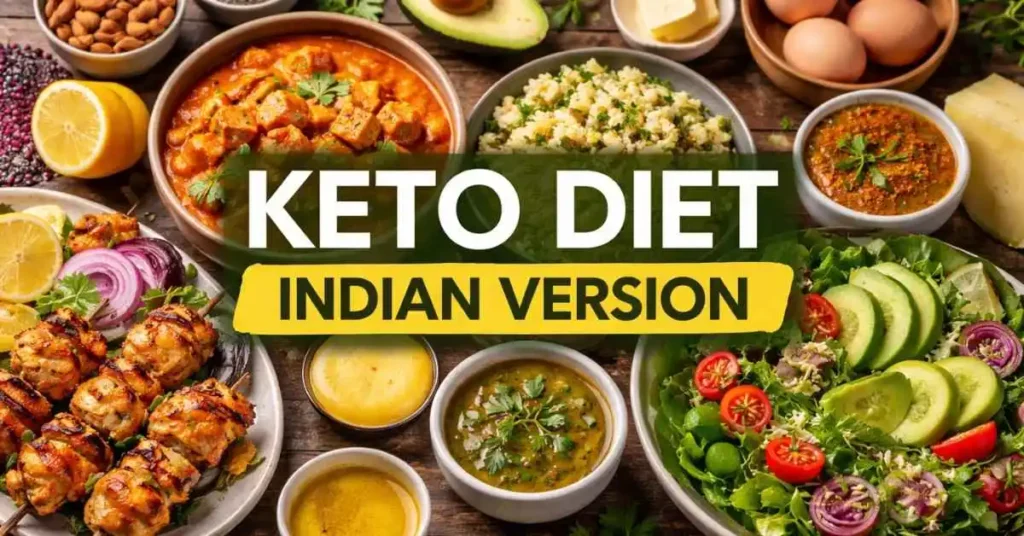
The idea of following a keto diet often feels difficult for people in India. Most daily meals are built around roti, rice, and dal, which are high in carbohydrates. Because of this, many people assume that keto is not suitable for an Indian lifestyle.
In reality, the Keto diet Indian version is not about eliminating your food culture. It is about modifying food choices and cooking methods in a way that supports fat loss while still keeping meals familiar and satisfying.
In my experience working with Indian clients, the biggest difference comes when people stop trying to follow Western keto plans and instead adopt a version that fits their kitchen, budget, and habits. This is where most people start seeing real and sustainable results.
Thinking About Starting a Keto Diet but Confused?
The keto diet can support fast weight loss and improved metabolism when followed correctly. Choosing the right Indian foods, maintaining proper macros, and avoiding common mistakes is essential. Get a personalised Indian keto diet plan tailored to your goals and lifestyle.
Get Your Keto Diet PlanWhat is Keto Diet and How It Works in Indian Context
The ketogenic diet works by reducing carbohydrate intake so that the body starts using fat as its primary source of energy. This process is known as ketosis.
When you eat high carbohydrate foods like rice or roti, your body uses glucose for energy. Once carbohydrates are reduced, the body begins breaking down stored fat into ketones, which then fuel your system.
For Indians, this shift is more noticeable because the average diet is heavily carbohydrate based. Once adapted properly, many people experience reduced hunger, better energy stability, and steady fat loss.
Why Keto Diet Indian Version Works Better Than Generic Plans
Many people fail on keto because they try to copy Western meal plans that include foods they are not used to eating. This leads to frustration, lack of consistency, and eventually quitting.
The Keto diet Indian version focuses on practical changes such as:
- Replacing roti with low carb alternatives
- Using paneer and eggs as protein sources
- Cooking with ghee and coconut oil
- Including Indian spices and flavors
This approach makes the diet feel natural instead of restrictive, which is one of the most important factors for long term success.
Macronutrients Breakdown for Indian Keto Diet
To follow keto effectively, your daily nutrition should be structured properly.
A typical Keto diet Indian version includes:
- High fat intake from ghee, butter, and oils
- Moderate protein from paneer, eggs, chicken, or fish
- Very low carbohydrate intake from vegetables
The goal is not just to reduce carbs but to replace them with the right foods so your body can maintain ketosis.
Best Indian Foods to Include in Keto Diet
Healthy Fats Used in Indian Kitchens
Ghee is one of the most effective and accessible fats for keto. It supports digestion and provides sustained energy. Coconut oil is another excellent option, especially for those who prefer a plant based source.
Butter and cream can also be included in moderate amounts to increase fat intake.
Protein Sources for Daily Meals
Paneer is one of the most versatile foods in the Keto diet Indian version. It can be used in breakfast, lunch, or dinner. Eggs are equally valuable because they are affordable and easy to prepare.
For non vegetarians, chicken, fish, and mutton provide high quality protein and help maintain muscle mass during weight loss.
Low Carb Vegetables That Work Well
Vegetables such as spinach, cauliflower, cabbage, capsicum, and zucchini are ideal for keto. These can be cooked in traditional Indian styles using spices and oils.
Using cauliflower as a replacement for rice is one of the most effective strategies.
Nuts and Seeds for Snacking
Almonds, walnuts, chia seeds, and flax seeds help control hunger between meals. They are easy to carry and reduce the chances of eating high carbohydrate snacks.
Foods That Disrupt Keto Diet
Understanding what to avoid is just as important as knowing what to eat.
In the Keto diet Indian version, the following foods should be limited or avoided:
- Wheat based foods like roti and paratha
- Rice in all forms
- Sugar and sweets
- Potatoes and starchy vegetables
- Lentils in large quantities
- Packaged snacks and processed foods
Even small portions of these foods can interrupt ketosis and slow down progress.
Practical 7 Day Keto Diet Indian Version Plan
Day 1
Start the day with paneer bhurji cooked in ghee. Lunch can include grilled chicken or paneer with sautéed vegetables. Dinner can be palak paneer.
Day 2
Breakfast can include an omelette with butter. Lunch may include cauliflower rice with chicken curry. Dinner can be cabbage stir fry with paneer.
Day 3
Greek yogurt with seeds works well for breakfast. Lunch can include paneer tikka. Dinner may include egg curry with vegetables.
Day 4
Butter coffee and nuts for breakfast. Fish curry with spinach for lunch. Paneer with zucchini for dinner.
Day 5
Paneer chilla made using almond flour for breakfast. Butter chicken for lunch. Mixed vegetables for dinner.
Day 6
Boiled eggs for breakfast. Chicken tikka for lunch. Stir fried vegetables with paneer for dinner.
Day 7
Cheese omelette for breakfast. Mutton curry with salad for lunch. Light vegetable soup for dinner.
Thinking About Starting a Keto Diet but Confused?
The keto diet can support fast weight loss and improved metabolism when followed correctly. Choosing the right Indian foods, maintaining proper macros, and avoiding common mistakes is essential. Get a personalised Indian keto diet plan tailored to your goals and lifestyle.
Get Your Keto Diet PlanCommon Challenges in Keto Diet Indian Version
Cravings for Carbohydrates
In the initial days, cravings for rice and roti are common. This usually reduces after the body adapts to ketosis.
Low Energy in Beginning
Some people experience fatigue during the first few days. This is temporary and can be managed by increasing fat intake and hydration.
Social Eating Situations
Eating outside or attending gatherings can be challenging. Choosing simple options like grilled food and avoiding sugary dishes can help.
Mistakes That Slow Down Results
One of the most common mistakes is treating keto as a high protein diet instead of a high fat diet. Without enough fat, the body does not enter ketosis effectively.
Another issue is not tracking hidden carbohydrates. Many packaged foods labeled as healthy still contain sugar or starch.
Skipping meals or eating too little can also slow metabolism instead of improving it.
Making Keto Diet Indian Version Sustainable
Sustainability comes from flexibility and planning. Instead of trying to follow strict rules, focus on building a routine that fits your lifestyle.
Cooking at home gives better control over ingredients. Preparing meals in advance reduces the chances of making unhealthy choices.
Using Indian spices and cooking styles keeps the diet enjoyable and prevents boredom.
Vegetarian Keto Diet Indian Version
Vegetarians can follow keto successfully by focusing on:
- Paneer and cheese
- Nuts and seeds
- Low carbohydrate vegetables
- Healthy fats
Combining these foods properly ensures balanced nutrition and steady energy levels.
Health Benefits Observed in Indian Clients
Many individuals following the Keto diet Indian version report noticeable fat loss, especially around the abdominal area.
Blood sugar levels often improve due to reduced carbohydrate intake. Hunger becomes more controlled, which reduces overeating.
Energy levels become more stable throughout the day without sudden crashes.
Practical Tips from Experience
From practical experience, people who succeed on keto focus more on consistency than perfection.
Small adjustments such as replacing rice with cauliflower or switching from refined oil to ghee can create significant results over time.
Instead of aiming for rapid transformation, focusing on daily habits leads to better long term outcomes.
Thinking About Starting a Keto Diet but Confused?
The keto diet can support fast weight loss and improved metabolism when followed correctly. Choosing the right Indian foods, maintaining proper macros, and avoiding common mistakes is essential. Get a personalised Indian keto diet plan tailored to your goals and lifestyle.
Get Your Keto Diet PlanFrequently Asked Questions
Keto diet Indian version is a modified low carbohydrate, high fat diet designed using Indian foods, cooking styles, and ingredients. It replaces high carb foods like rice and roti with low carb alternatives while including paneer, eggs, vegetables, and healthy fats.
Yes, Keto diet Indian version is highly effective for weight loss when followed correctly. It helps the body burn stored fat for energy, reduces hunger, and improves metabolism, leading to consistent fat loss.
Yes, vegetarians can follow Keto diet Indian version by including paneer, cheese, tofu, nuts, seeds, and low carbohydrate vegetables. Proper planning is important to maintain nutritional balance.
You can eat paneer, eggs, chicken, fish, green vegetables, nuts, seeds, ghee, butter, and coconut oil. Low carb vegetables like spinach, cauliflower, and cabbage are commonly included.
Foods like rice, roti, sugar, sweets, potatoes, and processed snacks should be avoided. These foods are high in carbohydrates and can prevent the body from entering ketosis.