Magnesium Rich Foods Guide to Boost Health Naturally
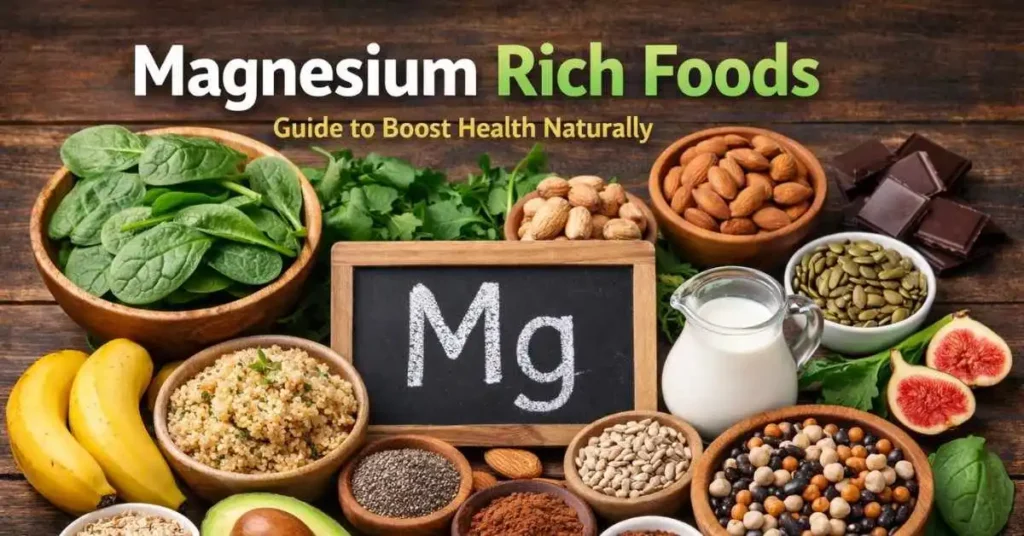
Do you often feel tired without any clear reason, struggle with poor sleep, or experience frequent muscle cramps and stress? These are not just everyday problems. In many cases, they are signs that your body is lacking a vital nutrient called magnesium.
Despite being essential for overall health, magnesium deficiency is becoming increasingly common, especially in modern diets filled with processed foods. The good news is that you can fix this naturally by including magnesium rich foods in your daily meals.
Magnesium plays a role in more than 300 processes in the body. From maintaining heart health to improving sleep quality and reducing stress, this mineral is crucial for your physical and mental well-being. Yet, most people are unaware of how important it truly is.
In this detailed guide, you will learn everything about magnesium rich foods, their benefits, the best sources, and how to include them in your daily routine to improve your health naturally.
Feeling Tired, Stressed, or Having Muscle Cramps?
Magnesium plays a vital role in energy production, muscle function, sleep quality, and stress management. A diet lacking in magnesium can lead to fatigue, cramps, and poor recovery. Get a personalised nutrition plan to improve your magnesium intake and overall health naturally.
Get Your Magnesium Boost Diet PlanWhat is Magnesium and Why Your Body Cannot Function Without It
Magnesium is an essential mineral that your body needs every single day. Unlike some nutrients, your body cannot produce magnesium on its own, which means it must come from your diet.
This mineral is responsible for energy production, muscle movement, nerve function, and maintaining a healthy heartbeat. It also supports bone strength and helps regulate blood sugar levels.
What makes magnesium even more important is its ability to calm the nervous system. It helps your body manage stress, improves sleep, and reduces anxiety levels.
Without enough magnesium, your body starts showing warning signs. Over time, this can lead to more serious health issues such as high blood pressure, weak bones, and chronic fatigue.
This is why focusing on magnesium rich foods is not just a health trend but a necessity.
Top Magnesium Rich Foods You Must Include in Your Daily Diet
Leafy Green Vegetables That Naturally Boost Magnesium
Green leafy vegetables are one of the best natural sources of magnesium. Spinach, fenugreek leaves, mustard greens, and kale are loaded with this essential mineral.
Spinach is especially powerful because it also contains iron and antioxidants that support overall health. Including green vegetables in your daily meals, whether as sabzi, soup, or smoothie, can significantly improve your magnesium intake.
Nuts and Seeds That Provide Instant Nutritional Power
Nuts and seeds are among the most effective magnesium rich foods. Almonds, cashews, peanuts, pumpkin seeds, flaxseeds, and chia seeds are excellent choices.
Pumpkin seeds are particularly rich in magnesium and can be easily added to your diet as a snack or topping. Just a small handful daily can help you meet a significant portion of your magnesium needs.
Whole Grains That Support Energy and Digestion
Whole grains like oats, brown rice, quinoa, and whole wheat are excellent sources of magnesium. Unlike refined grains, they retain their natural nutrients and fiber.
Starting your day with oats or including brown rice in your meals not only boosts magnesium intake but also supports digestion and long-lasting energy.
Legumes and Pulses That Combine Protein and Magnesium
Legumes such as lentils, chickpeas, kidney beans, and black beans are highly nutritious and rich in magnesium.
In Indian households, dals are a daily staple, making it easier to include these foods regularly. They also provide protein and fiber, making them a complete nutritional package.
Fruits That Contribute to Magnesium Intake
Fruits may not be the richest sources, but they still contribute to your daily magnesium intake. Bananas, avocados, figs, and papaya are good options.
Bananas are especially beneficial as they also provide potassium, which works together with magnesium to support muscle and heart function.
Dark Chocolate That Combines Taste with Nutrition
Dark chocolate with high cocoa content is a surprisingly good source of magnesium. It also contains antioxidants that support heart health.
Consuming dark chocolate in moderation can be both enjoyable and beneficial. Choosing chocolate with at least 70 percent cocoa ensures better nutritional value.
Feeling Tired, Stressed, or Having Muscle Cramps?
Magnesium plays a vital role in energy production, muscle function, sleep quality, and stress management. A diet lacking in magnesium can lead to fatigue, cramps, and poor recovery. Get a personalised nutrition plan to improve your magnesium intake and overall health naturally.
Get Your Magnesium Boost Diet PlanProven Health Benefits of Magnesium Rich Foods
Magnesium rich foods provide a wide range of health benefits that impact almost every part of your body.
One of the most noticeable benefits is improved muscle function. Magnesium helps relax muscles and prevents cramps, making it essential for athletes and active individuals.
It also plays a major role in improving sleep quality. Magnesium calms the nervous system and helps regulate sleep cycles, allowing you to rest better and wake up refreshed.
Another important benefit is heart health. Magnesium helps control blood pressure, supports proper heart rhythm, and reduces the risk of cardiovascular diseases.
Magnesium also supports mental health by reducing stress and anxiety. It helps regulate hormones responsible for stress and promotes a calm and balanced mood.
Additionally, magnesium strengthens bones by improving calcium absorption, making it essential for long-term bone health.
Early Signs of Magnesium Deficiency You Should Not Ignore
Magnesium deficiency often develops slowly, making it difficult to detect in the early stages.
Common symptoms include fatigue, weakness, muscle cramps, headaches, and difficulty sleeping. Many people also experience irritability and increased stress levels.
In more serious cases, magnesium deficiency can lead to irregular heartbeat, numbness, and severe muscle spasms.
If you are experiencing these symptoms regularly, it is a strong indication that your diet may be lacking magnesium rich foods.
Who Needs Magnesium the Most
Certain groups of people are more likely to experience magnesium deficiency.
People who consume a high amount of processed foods often lack essential nutrients, including magnesium. Athletes and physically active individuals require more magnesium due to increased muscle activity and sweating.
Individuals dealing with stress or anxiety may also need higher magnesium intake, as stress depletes magnesium levels in the body.
Older adults are another high-risk group because nutrient absorption decreases with age.
How Much Magnesium Do You Need Daily
The daily requirement of magnesium depends on age, gender, and lifestyle.
Adult men typically need around 400 to 420 mg per day, while women require about 310 to 320 mg. Pregnant and breastfeeding women may need slightly higher amounts.
Meeting these requirements through magnesium rich foods is the safest and most effective way to maintain optimal health.
How to Increase Magnesium Absorption Naturally
Eating magnesium rich foods is important, but your body must also absorb it properly.
A balanced diet that includes vitamin D helps improve magnesium absorption. Getting regular sunlight exposure can support this process.
Reducing processed foods, sugar, and alcohol intake is also important, as these can interfere with magnesium levels.
Managing stress and staying hydrated further supports proper nutrient absorption.
Magnesium Rich Foods vs Supplements Which is Better
While magnesium supplements are available, they should not replace natural food sources.
Whole foods provide a combination of nutrients that work together to support overall health. Supplements, on the other hand, only provide isolated magnesium and may not be absorbed as efficiently.
In certain cases, supplements may be necessary, but they should only be taken under professional guidance.
For most people, focusing on magnesium rich foods is the best approach.
Simple Daily Diet Plan to Include Magnesium Rich Foods
A practical way to improve magnesium intake is by making small changes to your daily meals.
Starting your morning with oats and nuts provides a strong nutritional foundation. Including green vegetables and dal in your lunch ensures a balanced intake of magnesium and protein.
Evening snacks like bananas or a handful of seeds can boost your intake further. For dinner, including whole grains and legumes helps maintain consistency.
This simple approach ensures that your body receives magnesium throughout the day.
A Quick Recap
Magnesium is one of the most important nutrients for maintaining overall health, yet it is often overlooked.
By including magnesium rich foods in your daily diet, you can improve your energy levels, sleep quality, mental health, and heart health naturally.
You do not need complicated diets or expensive supplements. Simple, natural foods can provide everything your body needs.
Start making small changes today, and over time, you will notice a significant improvement in your overall well-being.
Feeling Tired, Stressed, or Having Muscle Cramps?
Magnesium plays a vital role in energy production, muscle function, sleep quality, and stress management. A diet lacking in magnesium can lead to fatigue, cramps, and poor recovery. Get a personalised nutrition plan to improve your magnesium intake and overall health naturally.
Get Your Magnesium Boost Diet PlanFrequently Asked Questions
Some of the best magnesium rich foods include spinach, almonds, pumpkin seeds, oats, brown rice, lentils, and bananas. Including a mix of these foods in your daily diet can help meet your magnesium needs naturally.
Common signs of magnesium deficiency include muscle cramps, fatigue, poor sleep, headaches, and increased stress or anxiety. If these symptoms occur frequently, your body may need more magnesium rich foods.
Adult men typically require around 400 to 420 mg of magnesium daily, while women need about 310 to 320 mg. These requirements can be met by regularly consuming magnesium rich foods.
Yes, most people can meet their magnesium requirements through a balanced diet that includes magnesium rich foods like leafy greens, nuts, seeds, whole grains, and legumes.
Bananas, avocados, and figs are among the fruits that contain magnesium. While fruits are not the richest sources, they still contribute to your overall magnesium intake.