Protein Intake for Muscle Growth: Complete Science-Based Guide

The gym sessions are regular, the sweat is real, yet the mirror barely shows any new muscle. A dozen apps and reels shout different numbers for protein intake for muscle growth, and every source seems to clash with the one before it. It is easy to feel stuck and wonder whether the effort is even worth it.
Many of the people we work with at Nutridate with Priyanka share the same story. They tried to lose weight and ended up losing muscle and strength instead. Some saw the scale go down but felt softer, weaker, and more tired. Others did everything “right” with diet and exercise, yet their protein intake for muscle growth was far below what their body actually needed.
Here is the good news. Muscle gain is not magic or luck. It is a mix of smart training, the right protein intake for muscle growth, and a plan that fits real life. In this article, we will walk through how much protein to aim for, how to spread it through the day, which foods work best, and how health conditions change the picture. We will also share how we at Nutridate with Priyanka turn these numbers into simple, enjoyable meals that fit work schedules, family life, and even time zones.
By the end, you will understand what your body needs, why past plans may have failed, and how a smarter protein strategy can protect muscle, support fat loss, and make each workout count.
Key Takeaways
- Most active adults need far more than the basic RDA. For many, protein intake for muscle growth works best around 1.6 g per kilogram of body weight, and older adults do well in the 1.2–1.6 g/kg range. These higher targets help build and protect lean tissue instead of letting the body break it down.
- Protein and resistance exercise belong together. Lifting weights or doing strength work creates the demand, and higher protein intake for muscle growth provides the raw material to repair and build. Without that training signal, extra protein mostly supports general health rather than new muscle.
- Whole foods should be the base. Eggs, yogurt, chicken, fish, dal, paneer, tofu, beans, and lentils give protein plus vitamins, minerals, and fiber. Supplements are useful tools for busy days, not a daily replacement for real meals.
- Timing and distribution matter. Spreading protein across meals, with roughly 20–40 grams at breakfast, lunch, dinner, and one snack, gives the body repeated chances to build muscle. At Nutridate with Priyanka, we adjust this pattern to match work hours, family routines, and cultural food habits.
Understanding Protein’s Essential Role In Muscle Development

Every time a muscle works against resistance, tiny fibers break down. Protein steps in as the repair crew. Amino acids from food rebuild these fibers, and when muscle protein synthesis stays higher than muscle protein breakdown, actual muscle growth happens.
This process runs in the background all day. Protein is not just about biceps or glutes. It also forms enzymes, hormones, transport proteins in the blood, and antibodies that support the immune system. When protein intake for muscle growth is too low, the body will still try to keep vital functions going by taking amino acids from muscle tissue.
For people who have dieted hard in the past, this is where things often went wrong. Low-calorie plans with very little protein can lead to weight loss on the scale but also shrinking muscle, loose skin, and a slower metabolism. When we support clients at Nutridate with Priyanka, one of our first goals is to protect lean mass, so fat comes off while strength and shape stay or improve.
Want Personalized Guidance on Protein for Muscle Growth?
A registered dietitian can help you plan the right protein intake, optimize muscle growth, and build a science-backed meal plan tailored to your goals. Get the expert advice you need to level up your gains.
Talk to Our Dietitian TodayHow Much Protein Do You Actually Need For Muscle Growth
The standard RDA for protein is 0.8 grams per kilogram of body weight. That number is meant to avoid clear deficiency in sedentary adults. It is not designed for someone who wants visible muscle, better strength, or a faster metabolism. For protein intake for muscle growth, the required amount is significantly higher.
Research on people who lift weights several times per week, including studies on effects of post-exercise protein intake, shows clear patterns. Protein intakes around 1.6 g per kilogram lead to better gains in lean mass than lower intakes, and going higher can help in some cases. Many study participants were already eating about 1.2 g/kg before adding more protein, which means real‑life needs often sit above basic charts.
Different groups tend to need different ranges:
- Younger active adults who want more muscle usually do best around 1.6 g/kg or a bit above.
- Older adults, especially above 65, often benefit from 1.2–1.6 g/kg to slow age‑related muscle loss.
- Strength and endurance athletes fall roughly between 1.4–2.0 g/kg, depending on training load and goals.
- During fat‑loss phases, going up to around 2.0–2.3 g/kg can help protect muscle when calories drop.
Pregnant and breastfeeding women, people recovering from injury or surgery, and those using weight‑loss medicines often need extra support as well. On the other hand, anyone with chronic kidney disease needs close medical guidance, because high protein can strain kidneys that are already damaged. At Nutridate with Priyanka, we never just give a single number. We look at weight, activity, lab reports, medication, work schedule, and family demands, then set protein intake for muscle growth that fits both body and life.
The Critical Partnership Protein And Resistance Exercise
Protein intake for muscle growth only works well when the muscles are asked to work. Effects of protein supplementation on body composition show that extra protein without strength training led to very little change in muscle size or strength. The body needs a clear signal from exercise before it invests energy into adding new tissue.
Resistance exercise can look different for different people. It might be barbell squats in a gym, push‑ups and lunges at home, resistance‑band workouts in a hotel room, or machine work in a condo gym. What matters is that the muscles face enough load to feel challenged across sets, several times per week.
When that training is in place and protein intake for muscle growth is set high enough, studies still show modest but meaningful gains. Extra lean mass of around 0.5–0.7 kilograms over eight to twelve weeks is common. Lower‑body strength often improves the most, while upper‑body and grip strength changes are smaller. We remind our clients that muscle gain is a slow build, more like saving money each month than winning a lottery, and that consistent food and movement habits pay off over time.
A common coaching line is, “You don’t grow while you train; you grow from how you eat, sleep, and recover between sessions.”
Best Protein Sources Building Your Muscle Friendly Plate
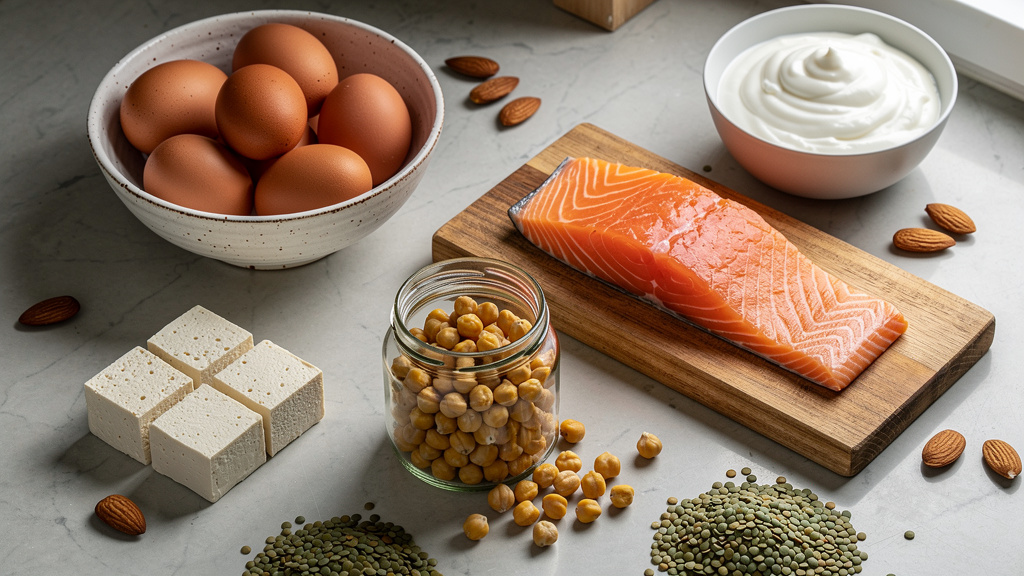
Hitting the right protein intake for muscle growth does not mean living on powders and bars. A food first approach gives protein along with iron, calcium, B vitamins, healthy fats, and fiber that support long‑term health.
Animal‑based options are simple and effective:
- One large egg gives about 6 g of protein and works at breakfast, in salads, or as a snack.
- A small bowl of Greek yogurt packs around 14–20 g and pairs well with fruit and nuts.
- A palm‑sized piece of chicken, fish, or lean meat usually brings 21–28 g.
- A can of tuna is an easy 20–30 g for office lunches.
Plant‑based eaters can fully support protein intake for muscle growth as well. Firm tofu offers around 10–14 g in a modest slice. A cup of cooked quinoa has about 8 g and carries extra fiber. Half a cup of cooked beans or lentils gives 7–8 g, and when mixed with grains across the day, amino acids balance out well. For many Indian clients, familiar foods such as dal, paneer, curd, sprouts, and sattu already give a strong base when portions are adjusted.
At Nutridate with Priyanka, we help each person build a plate that feels familiar. A Bengali client in Kolkata might lean on fish, dal, and curd rice, while an Indian student in the US relies on eggs, yogurt cups, canned beans, and frozen paneer. The goal is a pattern that can be kept up on busy days, not a short‑term chart that falls apart during exams, travel, or holidays.
Want Personalized Guidance on Protein for Muscle Growth?
A registered dietitian can help you plan the right protein intake, optimize muscle growth, and build a science-backed meal plan tailored to your goals. Get the expert advice you need to level up your gains.
Talk to Our Dietitian TodayStrategic Protein Timing And Distribution Throughout Your Day
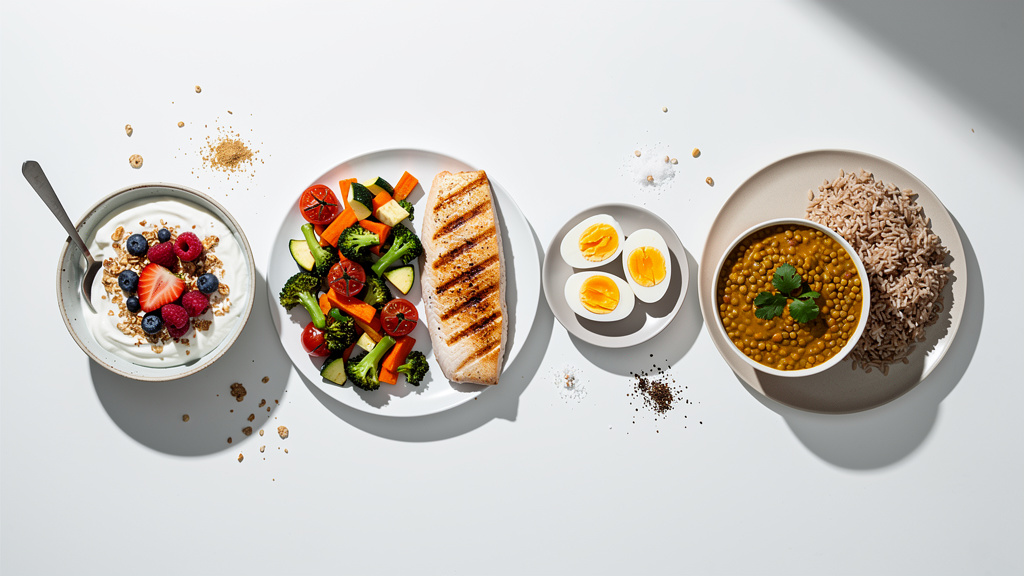
Total daily protein intake for muscle growth matters most, but how it is spread across the day also makes a difference. The body responds better when it receives solid doses of protein several times, rather than a tiny amount at breakfast and a huge load at dinner.
Muscle protein synthesis switches on strongly when a meal contains roughly 20–40 g of high‑quality protein. Smaller amounts can still help, yet they may not give the same strong signal. A simple structure is to place a good protein source in every meal and one snack, so the muscles get repeated chances to repair and grow.
One example day might look like:
- Breakfast: Greek yogurt topped with nuts and fruit.
- Lunch: Chicken or tofu with rice or quinoa and vegetables.
- Snack: Two boiled eggs, a paneer wrap, or a quick smoothie.
- Dinner: Fish with vegetables or dal with paneer and roti.
This pattern supports protein intake for muscle growth while still allowing family‑style meals. For many busy professionals, we also plan options that work with late dinners, rushed office lunches, or travel days where a yogurt drink and nut mix are all that fit between meetings.
The Truth About Protein Supplements When And How To Use Them
Protein powders and bars look like a quick fix for protein intake for muscle growth, yet they are only one small part of the picture. We prefer that most protein come from real food, then bring in supplements when they clearly help.
Supplements make sense for people with very high needs or very little time. An athlete who needs around 150 grams of protein may find it easier to drink a shake after practice than cook a full meal immediately. A consultant on flights every week might rely on a bar between airport transfers instead of skipping food for hours. In these cases, powders and bars support the base diet rather than replace balanced meals.
Quality matters a lot. In many countries, including the US, supplements do not go through strict checks before they reach shelves. We teach clients to pick products that show third‑party testing logos, such as NSF Certified for Sport or Informed Sport, which help reduce the risk of contamination. We also watch for sugar alcohols and long ingredient lists, since they can trigger bloating and discomfort. When we design protein intake for muscle growth at Nutridate with Priyanka, we always start with the plate, then add shakes only if they solve a real problem.
Protecting Muscle While Losing Weight A Critical Strategy
Many people come to us saying they lost ten or twenty pounds before but felt soft and weak afterward. This is the classic “skinny fat” pattern. Calories dropped, but protein intake for muscle growth stayed low and workouts did not protect muscle. The body burned both fat and muscle to meet energy needs, which slowed the metabolism and made regain more likely.
When someone aims to lose fat while keeping or building muscle, protein needs rise. Intakes around 2.0–2.3 g per kilogram, combined with strength training, help the body keep lean mass while pulling energy from fat stores. Higher protein also keeps people fuller for longer and increases the calories burned during digestion compared to carbs or fat, which is helpful during a calorie deficit.
At Nutridate with Priyanka, we focus a lot on this balance. For clients on GLP‑1 medicines such as Ozempic or Wegovy, appetite can drop and nausea can appear. We design higher‑protein, lower‑volume meals that feel gentle on the stomach yet still support protein intake for muscle growth. For others, we might use body recomposition, where weight on the scale changes slowly, but waist size shrinks and strength climbs. Weekly check‑ins let us catch any fall in strength or energy quickly and adjust protein, carbs, or workouts before the problem grows.
Special Considerations Age, Health Conditions, And Individual Factors
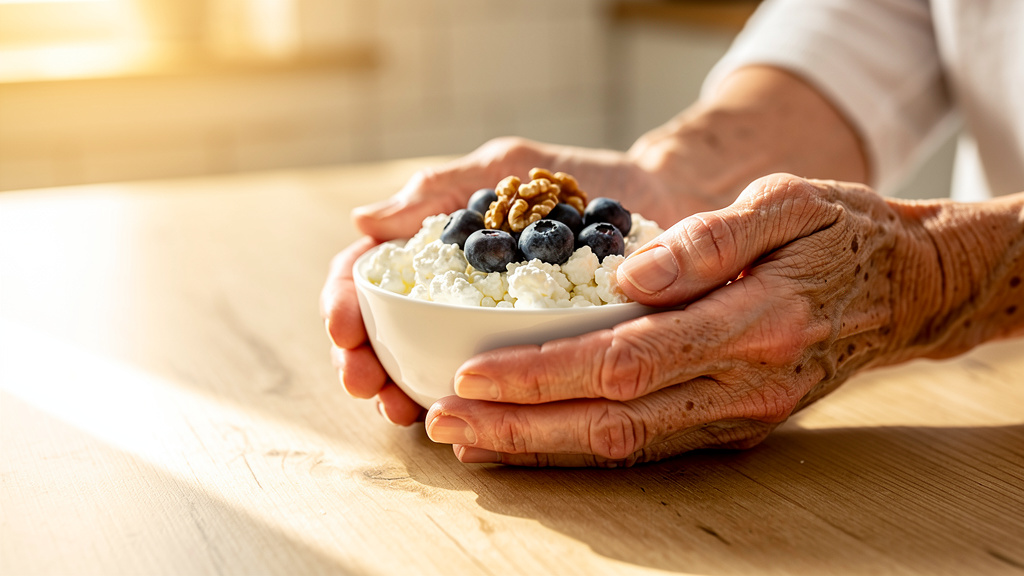
Protein intake for muscle growth is never one size fits all. Age, health conditions, food choices, and even appetite patterns all change what works.
Older adults face a real risk of muscle loss, known as sarcopenia. This weakens legs, raises fall risk, and makes daily tasks harder. Higher protein intakes around 1.2–1.6 g/kg, combined with gentle resistance work, help slow this loss. At the same time, many older people feel full faster, so we use concentrated protein choices such as yogurt, paneer, eggs, and soft dals spread over smaller meals.
Chronic conditions change the picture in other ways:
- With PCOS, higher protein and steady carbs can improve insulin sensitivity and help with cravings.
- People with diabetes use protein to smooth blood‑sugar spikes and feel satisfied between meals.
- Thyroid issues often bring fatigue and weight changes, so we support metabolism with steady protein while matching carb timing to medicines.
- Anyone with kidney disease must take extra care. For them, high protein intake for muscle growth may not be safe, and plans must be set together with their doctor and lab reports.
Vegetarian and vegan clients sometimes worry that research favors animal protein, since many trials used whey or meat. We reassure them that plant‑focused diets can support excellent progress when total protein is high enough and foods such as lentils, beans, tofu, tempeh, quinoa, nuts, and seeds appear through the day. Before we give a target at Nutridate with Priyanka, we always review full health history, current reports, and daily routine so that the plan supports both muscle and long‑term health.
Common Protein Myths And Mistakes To Avoid
One common myth says that high protein hurts healthy kidneys. Studies on people with normal kidney function do not support this. Intakes up to about 2.0 g/kg appear safe in healthy adults, and protein intake for muscle growth in this range is common among lifters and athletes.
Another idea claims the body can only use 20–30 g of protein per meal. In reality, the body digests and uses much larger portions. It is true that muscle building peaks somewhere in that range, but extra protein still supports other functions such as hormones, enzymes, and tissue repair.
People also hear that protein must be eaten within a narrow “anabolic window” right after training. Current research shows that total daily protein intake for muscle growth is more important than the exact minute of the post‑workout snack. Eating a solid protein‑rich meal within a few hours of training works well for most.
A final mistake is pushing protein so high that carbs and fats nearly disappear. Muscles also need carbs for good training sessions and recovery, and healthy fats support hormones and brain health. We always aim for balance, not a single‑nutrient obsession.
A common reminder in sports nutrition is, “Protein builds muscle, but carbohydrates power the work that builds that muscle.”
A Quick Recap
Protein intake for muscle growth is not a guess or a trend. For most active adults, targets from around 1.6 g/kg upward, combined with steady resistance training, give the body what it needs to add and protect muscle. With the right plan, fat loss no longer means losing strength, and muscle gain does not demand extreme rules.
If past diets left you drained, weaker, or confused by clashing advice, you now have a clearer picture of how protein works. Numbers matter, but so do the foods on your plate, your work hours, your health conditions, and your family meals. That is where good guidance makes the difference.
At Nutridate with Priyanka, we have supported more than ten thousand clients across Kolkata, the rest of India, and abroad. We design practical, sustainable plans, adjust them week by week, and fit protein intake for muscle growth into real‑life routines. You do not need another strict chart. You need a calm, science‑based partner who listens, adapts, and stays with you. When you are ready, we are here to help you fuel your strength and see the results your hard work deserves.
Want Personalized Guidance on Protein for Muscle Growth?
A registered dietitian can help you plan the right protein intake, optimize muscle growth, and build a science-backed meal plan tailored to your goals. Get the expert advice you need to level up your gains.
Talk to Our Dietitian TodayA simple starting point is to multiply your body weight in kilograms by 1.6. That gives a daily protein target for muscle growth that works for many active adults. Very active people, such as athletes, may benefit from numbers closer to 1.8–2.0 g/kg. At Nutridate with Priyanka, we fine‑tune this by looking at training load, body‑composition goals, age, and health history, then turn that number into easy meal patterns.
Yes, muscle growth on a vegetarian or vegan plan is very possible. The key is a higher total protein intake for muscle growth and smart food combinations. Legumes, tofu, tempeh, quinoa, nuts, seeds, paneer, curd, and sprouts all add up through the day. Because plant proteins are slightly less concentrated, we often aim toward the higher end of the 1.6–2.0 g/kg range. Many of our Nutridate with Priyanka clients follow meat‑free plans and see great strength and shape changes with dal‑, paneer‑, and sprout‑based menus.
Food is the base for protein intake for muscle growth. Whole foods give protein plus vitamins, minerals, fiber, and healthy fats that powders cannot match. Supplements work well as backup for very busy days, very high needs, or post‑workout convenience. When we do use powders or bars, we prefer options that show third‑party testing logos, which add an extra layer of safety. In our plans at Nutridate with Priyanka, we always teach a food first method, then place supplements gently on top if needed.
Higher protein intake for muscle growth by itself does not create a bulky body. Significant muscle gain needs hard, progressive strength training, a calorie surplus, and time. For many women, higher protein during a moderate calorie deficit actually helps create a lean, defined look by holding on to muscle while fat comes off. We often remind clients that the “toned” body they want is simply muscle that is not covered by too much fat, and protein is a friend in that process, not an enemy.
If you have chronic kidney disease, you should not raise protein intake for muscle growth on your own. Kidneys that already work poorly can struggle with the extra load from high‑protein diets. In such cases, protein is often kept at a lower, carefully set level. At Nutridate with Priyanka, we always ask for medical reports and doctor input for clients with kidney concerns. Safety comes first, and any change in protein intake must fit with medical advice.