Thyroid Diet Plan for Weight Loss: What Actually Works Long Term
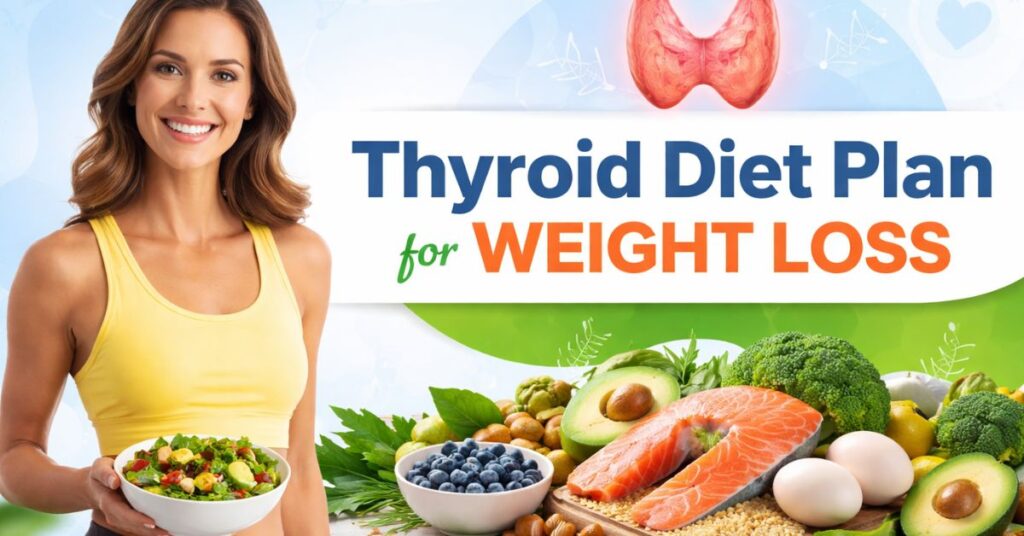
Stepping on the scale and seeing the number creep up when you feel you are doing everything right can be draining. When the thyroid is involved, that frustration often grows, because the usual “eat less and move more” advice barely makes a dent. A focused thyroid diet plan for weight loss helps you stop blaming yourself and start working with your body instead of against it.
Your thyroid acts like a tiny control centre for metabolism. When it slows down, as in hypothyroidism, the body burns fewer calories, you feel tired, and weight seems to cling on even with careful eating. Medication is vital, yet many people find that tablets alone do not fully fix weight gain, low energy, or brain fog. Food, movement, sleep, and stress all pull on the same hormonal threads.
As many endocrinologists tell their patients, “Thyroid tablets correct your numbers; your daily habits decide how well you feel.”
A thoughtful thyroid diet plan for weight loss focuses on foods that support hormone production, steady blood sugar, and appetite control. It also trims back foods that interfere with medication or worsen inflammation. In this guide, you will see which nutrients matter most, the foods that deserve a regular place on your plate, what to limit, practical meal planning tips, and simple lifestyle steps that support your thyroid.
At Nutridate with Priyanka, the focus stays on your real life rather than on strict, short-term rules. You will see where a personalised approach fits in and how expert guidance can make this process easier to follow. By the end, you will have a clear picture of how to build your own thyroid-friendly routine and when it helps to get professional support for a personalised thyroid diet plan for weight loss.
Understanding Thyroid Function And Weight Gain

Your thyroid is a small, butterfly-shaped gland in the front of your neck, yet it has a big effect on how your body uses energy. It produces two main hormones, T3 and T4, which help control your basal metabolic rate—the calories you burn at rest. When the thyroid works well, these hormones keep heart rate, temperature, digestion, and energy use running at a steady pace.
In hypothyroidism, the thyroid does not produce enough hormones. This slows many body processes, including how fast you burn calories. Common causes include:
- Hashimoto thyroiditis (an autoimmune condition)
- Lack of iodine
- Treatments such as surgery or radioactive iodine
Hyperthyroidism is the opposite problem, where the gland makes too much hormone, but this article focuses on the underactive thyroid that often leads to weight gain.
You may notice:
- Tiredness and low stamina
- Dry skin and hair fall
- Feeling cold
- Constipation
- Low mood or brain fog
- Gradual weight gain
These symptoms can build slowly, so they are easy to blame on age or stress. Thyroid conditions affect men and women but are far more common in women, especially in midlife.
A focused thyroid diet plan for weight loss supports the gland with the nutrients it needs, keeps blood sugar steady, and helps you feel full on fewer. The right foods can ease symptoms, make exercise feel manageable, and support smoother hormone balance alongside your medication.
Struggling With Weight Loss Due to Thyroid?
A personalized thyroid diet plan can seriously change the game. Get expert guidance to balance hormones, boost metabolism, and lose weight the healthy, long-term way.
Get Your Thyroid Diet PlanWhy Medication Alone Isn’t Always Enough
Thyroid medication such as levothyroxine replaces hormones that your body is not making in sufficient amounts. This is essential treatment, and you should never stop or change tablets without medical advice. However, tablets cannot fix:
- Nutrient gaps
- Ongoing inflammation
- Poor sleep
- Chronic stress
- Irregular eating patterns
Food supplies the building blocks your body uses to make and convert thyroid hormones. It also affects how well you respond to medication and how your metabolism behaves each day. Many people find that even with “normal” blood test results, they still struggle with weight, tiredness, or mood swings.
In these situations, a structured thyroid diet plan for weight loss becomes a key partner to medication. Nutridate with Priyanka specialises in plans that work alongside your medical care so you can see progress in both symptoms and weight.
Essential Nutrients For Thyroid Health And Hormone Production
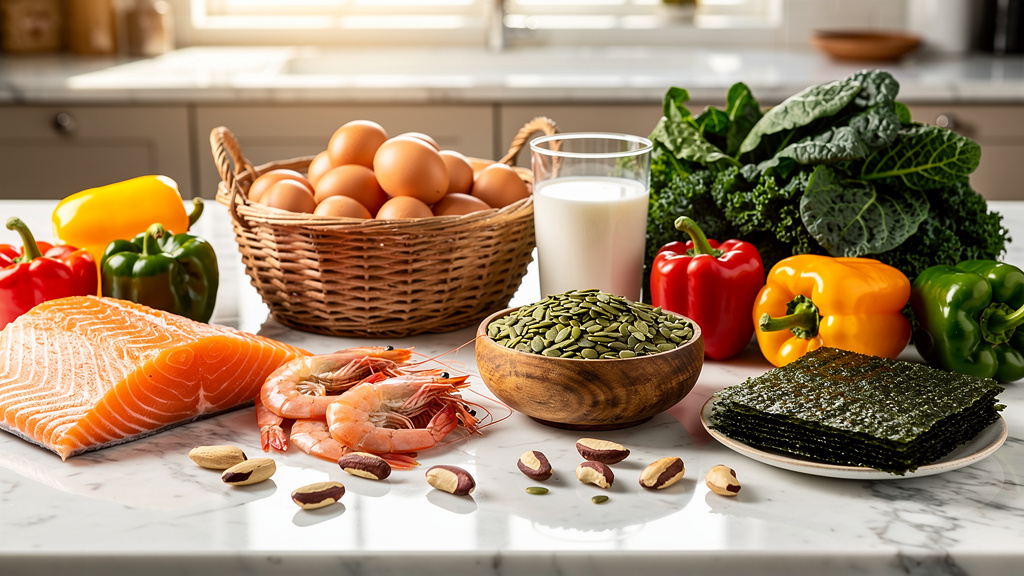
Thyroid hormones do not appear out of thin air. Your body needs a steady supply of certain vitamins and minerals to make them, convert them to their active form, and protect the gland from damage. When you think about a thyroid diet plan for weight loss, these nutrients sit at the centre.
The role of nutrition in thyroid function is well-documented, and understanding each nutrient’s specific role helps you make informed food choices throughout your day.
| Nutrient | Main Role In Thyroid Health | Helpful Food Sources |
|---|---|---|
| Iodine | Building block of T3 and T4 | Seafood, seaweed, iodised salt, dairy, eggs |
| Selenium | Conversion of T4 to T3; antioxidant protection | Brazil nuts, eggs, seafood, seeds, nuts |
| Zinc | Supports TSH, hormone production and conversion | Lean meat, lentils, chickpeas, seeds |
| Iron | Needed for thyroid hormone–making enzyme | Lean meat, legumes, fortified cereals |
| Vitamin D | Immune support; helps calcium use and bone strength | Sunlight, fortified dairy, eggs |
Food should usually be the first source of these nutrients. Supplements come later, if tests show a real lack.
Iodine: The Building Block Of Thyroid Hormones
Iodine is part of every T3 and T4 molecule, so low intake over time can lead to poor hormone production and an underactive gland. Worldwide, lack of iodine is a major cause of hypothyroidism.
Good iodine-rich foods include:
- Sea fish and prawns
- Seaweed
- Milk, yoghurt, and cheese
- Eggs
- Iodised salt
A thyroid diet plan for weight loss does not mean cutting these foods out unless your doctor has given specific advice. At the same time, more is not always better. Very high iodine intake, especially from supplements, can upset the gland and even worsen some thyroid conditions.
Selenium: The Thyroid Protector
Thyroid Health and Selenium: Research shows that selenium works like both a shield and a switch for the thyroid, protecting tissue while enabling hormone conversion. It helps enzymes convert the storage hormone T4 into the active T3 that your cells actually use. It also supports antioxidant enzymes that protect thyroid tissue.
The thyroid holds more selenium per gram than any other organ, which shows how important this mineral is. You can find selenium in:
- Brazil nuts
- Other nuts and seeds
- Eggs
- Seafood
Just a small daily handful of mixed nuts, including two or three Brazil nuts, can cover most people’s needs.
Zinc: Supporting Hormone Synthesis And Conversion
Zinc helps your brain and pituitary gland send out TSH, the hormone that tells the thyroid when to work harder or slow down. It also takes part in converting T4 to T3, similar to selenium.
Helpful zinc sources include:
- Lean chicken and fish
- Dals, chickpeas, and lentils
- Pumpkin and sunflower seeds
- Whole grains
Spreading these across meals fits neatly into a thyroid diet plan for weight loss because they also add protein and fibre.
Iron, Vitamin D, And Other Supportive Nutrients
Iron supports an enzyme called thyroid peroxidase, which is essential for making thyroid hormones. If you have iron deficiency anaemia, your thyroid medication and diet may not work as well as they could.
Vitamin D is another common gap, especially for people with autoimmune thyroid conditions. It supports your immune system and helps keep bones strong, which matter because long-term thyroid imbalance can affect bone health.
Vitamins A, several B vitamins, and vitamin E do not act directly on the thyroid in the same way, but they support energy production, cell protection, and overall health. A wide range of colourful fruits, vegetables, whole grains, and healthy fats usually covers these when you follow a balanced thyroid diet plan for weight loss.
Struggling With Weight Loss Due to Thyroid?
A personalized thyroid diet plan can seriously change the game. Get expert guidance to balance hormones, boost metabolism, and lose weight the healthy, long-term way.
Get Your Thyroid Diet PlanFoods To Embrace In Your Thyroid Diet Plan
Once you know which nutrients matter, the next step is to build a thyroid-friendly plate. The focus is on whole, minimally processed foods that keep you full, support hormone balance, and fit into everyday life.
A well planned thyroid diet plan for weight loss usually includes:
- Lean proteins
- Iodine-rich foods
- Whole grains and other complex carbohydrates
- Colourful fruits and vegetables
- Nuts, seeds, and other healthy fats
Lean Proteins For Hormone Production And Satiety
Protein is vital for building and repairing body tissues, including hormone receptors and enzymes. It also helps you feel satisfied after meals, which makes it easier to maintain a calorie deficit without constant hunger.
Good lean protein options include:
- Salmon and other oily fish (protein, omega-3 fats, iodine, selenium)
- Skinless chicken and turkey
- Lean cuts of meat with visible fat trimmed
- Lentils, chickpeas, kidney beans, and other pulses
- Paneer, Greek yoghurt, and eggs
Including some protein at every meal is one of the simplest ways to steady your appetite within a thyroid diet plan for weight loss.
Iodine-Rich Seafood And Dairy Products
Seafood and dairy are often the main iodine sources in a typical Indian diet. Regular but moderate intake helps your thyroid stay supplied without pushing iodine too high.
Aim to include:
- Sea fish, prawns, or other seafood a few times a week
- Yoghurt for iodine, protein, calcium, and gut-friendly cultures
- Milk and paneer for extra calcium and protein
Two or three servings of dairy spread through the day works well for many people, using low-fat or regular versions based on your needs.
Complex Carbohydrates And Whole Grains
Carbohydrates do not have to be the enemy, even when you are trying to lose weight with a thyroid condition. The key is to choose whole grains and fibre-rich options instead of refined white versions.
Smart choices are:
- Brown rice
- Quinoa
- Millets
- Oats
These digest more slowly, keep you fuller for longer, and help ease constipation, which is common in hypothyroidism. Keeping portions to about a quarter of your plate at main meals usually works well.
Colourful Fruits And Vegetables
Fruits and vegetables add vitamins, minerals, antioxidants, and fibre for very few calories. Different colours bring different plant compounds, so variety matters.
Helpful options include:
- Apples, pears, and citrus fruits for fibre and vitamin C
- Berries when available
- Sweet potatoes for beta carotene, vitamin C, and fibre
- A wide mix of non-starchy vegetables
Cruciferous vegetables such as broccoli, cauliflower, and cabbage often cause worry because they contain goitrogens. For most people with hypothyroidism who have enough iodine, eating these cooked and in normal portions is safe and nutritious. A good rule is to fill half your plate with non-starchy vegetables at main meals.
Nuts, Seeds, And Healthy Fats
Healthy fats are needed for hormone production, absorption of fat-soluble vitamins, and long-lasting energy. The aim is not to cut out fat, but to choose better types and sensible amounts.
Helpful sources are:
- Nuts (including Brazil nuts for selenium)
- Pumpkin and sunflower seeds for zinc and magnesium
- Avocado
- Cold-pressed oils such as olive oil or mustard oil
Because nuts, seeds, and oils are calorie dense, small daily portions fit best into a thyroid diet plan for weight loss.
Foods To Limit Or Avoid For Optimal Thyroid Function
Just as some foods support your thyroid, others can get in the way by blocking iodine use, upsetting digestion, or making weight loss harder. This does not mean you can never touch them again. It simply means being aware of their effects so you can make informed choices that match your health goals.
Understanding which foods to limit is especially important when you are putting effort into a thyroid diet plan for weight loss and want that effort to count.
Goitrogenic Foods: What They Are And When To Limit Them
Goitrogens are natural substances in some foods that can reduce how well your thyroid takes up iodine. They matter more if you already have severe iodine deficiency or very uncontrolled hypothyroidism.
They are found in:
- Soy foods such as tofu, soy milk, and edamame
- Cruciferous vegetables like broccoli, cauliflower, cabbage, kale, and Brussels sprouts
- Peanuts
Cooking cruciferous vegetables lowers this effect a lot, and they are rich in fibre and vitamin C, so most people can safely enjoy them cooked in normal portions. Very high soy intake may not be ideal in hypothyroidism, especially if iodine intake is low.
Gluten: The Autoimmune Connection
Gluten is a protein in wheat, barley, and rye. In some people—especially those with Hashimoto thyroiditis or coeliac disease—gluten seems to trigger or worsen the immune attack on the thyroid.
If you have an autoimmune thyroid condition, a gluten-free trial for four to six weeks under professional guidance can help you see whether symptoms improve. Foods that contain gluten include:
- Most regular breads and wheat rotis
- Pasta and many breakfast cereals
- Biscuits, cakes, and pastries
- Many packaged foods where gluten is used as a thickener
A thyroid diet plan for weight loss that is also gluten free needs careful planning, which is where a nutritionist can guide.
Processed, Sugary, And Unhealthy Fatty Foods
Highly processed foods are often high in calories, sugar, poor-quality fats, and salt, while being low in useful nutrients. They can:
- Make weight loss harder
- Increase inflammation
- Cause energy swings that worsen fatigue
Examples include ready meals, deep-fried snacks, fast food, and many packaged savoury items. Sugary foods and drinks cause quick spikes and crashes in blood sugar, leaving you tired and hungry. Foods rich in saturated or trans fats can harm heart health.
Swapping these for home-cooked meals based on whole ingredients is one of the most powerful steps you can take within a thyroid diet plan for weight loss.
Caffeine And Alcohol
Caffeine, found in coffee, many teas, and some soft drinks, can interfere with how well you absorb thyroid medication if you have it too soon after taking your tablet. Doctors usually advise:
- Take your tablet with water on an empty stomach
- Wait at least 30–60 minutes before your first tea or coffee
Alcohol can affect thyroid tissue, sleep, and blood sugar control. Regular heavy drinking is especially unhelpful when you are trying to manage hormones or weight. Keeping coffee to one or two cups per day after the medication window and limiting alcohol to occasional, modest amounts is a sensible approach.
Special Considerations For Hyperthyroidism
If you have hyperthyroidism rather than hypothyroidism, the advice around iodine is different. In that case, the gland is already overactive, so extra iodine can push it even harder. You may need to limit iodised salt, seaweed, large intakes of fish, dairy, and egg yolks.
This should always be done with help from your doctor and a dietitian who can create a safe, balanced plan.
Practical Meal Planning Strategies For Thyroid Weight Loss
Information about nutrients is only helpful if it turns into meals that suit your life. A successful thyroid diet plan for weight loss combines support for your hormones with a gentle calorie deficit, day after day. That means planning ahead, keeping things simple, and focusing on habits you can stick to.
“The best diet for thyroid health is the one you can follow on your busiest days,” as many experienced dietitians like to say.
Building A Balanced Thyroid-Friendly Plate
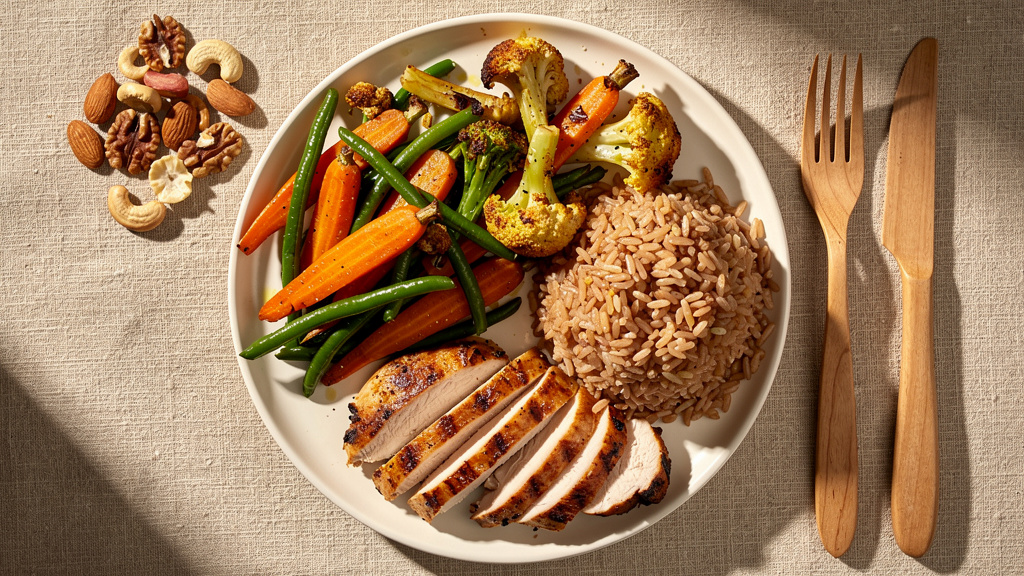
A simple method is to picture your plate at lunch and dinner:
- Half the plate: Non-starchy vegetables such as bhindi, lauki, carrots, beans, salads
- One quarter: Lean protein—dal, grilled chicken, fish, paneer, or mixed bean curry
- One quarter: Whole grains or starchy vegetables—brown rice, quinoa, millet roti, or sweet potato
Add a small portion of healthy fat (nuts, seeds, a drizzle of oil, or a few avocado slices) for satisfaction and vitamin absorption.
Breakfast ideas that fit a thyroid diet plan for weight loss:
- Oats with berries, nuts, and a spoon of yoghurt
- Paneer-stuffed millet roti with salad
- Egg bhurji with vegetable-filled poha
Portion Control And Mindful Eating
Even when you choose healthy foods, large portions can stall weight loss. Helpful strategies include:
- Using slightly smaller plates and bowls
- Serving food in the kitchen instead of from big dishes on the table
- Avoiding eating straight from packets
- Measuring staples like rice or cereal a few times to learn your portions
Mindful eating means slowing down, noticing the smell and taste of your food, and checking in with your hunger before and during a meal. Keeping a short food diary or using an app for a couple of weeks often reveals patterns that affect your thyroid diet plan for weight loss.
Meal Prep And Planning For Success
Busy days are when old habits tend to slip back in. Planning your meals in advance removes many last-minute decisions that lead to takeaway or random snacks.
Try:
- Setting aside an hour once or twice a week to cook a batch of whole grains
- Roasting or steaming a tray of mixed vegetables
- Preparing a few protein options such as boiled eggs, grilled chicken, or cooked dals
- Keeping snack boxes with cut fruit, vegetable sticks, roasted chana, or a small portion of nuts
Nutridate with Priyanka designs meal plans and prep ideas that match your schedule so your thyroid diet plan for weight loss fits smoothly into your routine.
The Importance Of Hydration
Water plays a quiet but important role in metabolism, digestion, and even the conversion of T4 to T3. Mild dehydration can make you feel tired and hungry, which sometimes leads to extra snacking.
Aim for around 8–10 glasses (about 2–2.5 litres) of fluids through the day. Plain water is ideal, but herbal teas, green tea, and infused water with lemon, cucumber, or mint add variety without sugar. Try to limit sugary drinks and very high caffeine intake, as they can upset blood sugar and sleep.
Struggling With Weight Loss Due to Thyroid?
A personalized thyroid diet plan can seriously change the game. Get expert guidance to balance hormones, boost metabolism, and lose weight the healthy, long-term way.
Get Your Thyroid Diet PlanLifestyle Modifications To Support Thyroid Health And Weight Loss
Food is a major piece of the thyroid puzzle, but it is not the only one. Movement, stress levels, and sleep quality all influence how your hormones behave and how your body handles calories.
Small, steady changes in these areas often lead to better energy and mood, which then make it easier to follow your thyroid diet plan for weight loss.
Regular Physical Activity: Boosting Your Metabolism

Physical Activity and Weight Loss Maintenance research confirms that hypothyroidism slows your resting calorie burn, so regular movement helps make up some of that difference and supports long-term weight management.
Aim for:
- Aerobic activity (brisk walking, cycling, swimming) most days
- Strength training (body-weight moves, resistance bands, or weights) 2–3 times per week
You do not need intense workouts. Starting with about 30 minutes of moderate activity on most days is a good target, which you can break into shorter chunks. Listen to your body, especially on low-energy days, and build up gradually.
Stress Management For Hormonal Balance
Long-term stress raises cortisol, a hormone that can interfere with thyroid hormone production and conversion. High cortisol also encourages fat storage around the belly and increases cravings for sugary or fatty foods.
Simple daily stress relief habits can help:
- Gentle yoga or stretching
- Breathing exercises or guided meditation
- Short walks in nature
- Creative hobbies
- Talking with supportive friends or family
Treating stress care as a basic health need sits well alongside a thyroid diet plan for weight loss.
Prioritising Quality Sleep
Sleep is the time when your body resets many hormonal systems, including those that control appetite and thyroid function. Poor or short sleep can:
- Raise hunger hormones
- Reduce willpower
- Worsen fatigue
Aim for 7–9 hours of sleep most nights. Helpful habits include:
- Keeping a regular sleep and wake time
- Making your bedroom dark, cool, and quiet
- Avoiding screens close to bedtime
- Cutting down caffeine later in the day
Many people notice that once sleep improves, they feel more able to follow their thyroid diet plan for weight loss and stick with it.
Staying Consistent And Patient
Weight loss with hypothyroidism is often slower than for people without a thyroid issue, which can feel discouraging. Remember that consistency matters more than speed.
Track non-scale successes such as:
- Better energy
- Fewer cold spells
- Clearer skin
- Steadier mood
- Improved lab results
Nutridate with Priyanka supports you through this process with regular check-ins and adjustments so your thyroid diet plan for weight loss stays realistic and encouraging.
The Role Of Supplements: When And What To Consider
Supplements can sound like a quick fix for thyroid problems, but they are only one tool, and they are not always needed. Food should be the main source of nutrients in a thyroid diet plan for weight loss, because foods bring a full package of vitamins, minerals, fibre, and helpful plant compounds.
Sometimes, though, blood tests show clear gaps that are hard to fill with diet alone. In these cases, the right supplements in the right dose can support your thyroid and overall health.
When Supplements May Be Beneficial
Supplements are most useful when you have a confirmed deficiency. Common low nutrients in people with hypothyroidism include:
- Vitamin D
- Selenium
- Zinc
- Iron
Low vitamin D is widespread, and topping it up can support immunity and bone health, especially in those with autoimmune conditions. Zinc and iron supplements can be important when blood tests show low levels, as both support thyroid hormone production and energy.
A doctor or qualified nutritionist can use your blood work and health history to decide whether supplements should be part of your thyroid diet plan for weight loss.
The Dangers Of Self-Supplementing With Iodine
Iodine is essential, yet this is one supplement where “more” can be risky. Taking high-dose iodine without testing can trigger or worsen both hypothyroidism and hyperthyroidism, especially in people with Hashimoto thyroiditis. Some over-the-counter “thyroid support” products contain large amounts of iodine, or even undeclared thyroid hormones.
For most people, normal use of iodised salt and regular seafood intake is enough. Extra iodine is only needed in special cases and only under medical guidance. Never add iodine supplements to your thyroid diet plan for weight loss on your own.
Working With A Professional For Personalised Guidance
Because every thyroid case is different, supplement decisions should never be one size fits all. Working with a qualified nutritionist or dietitian gives you:
- A careful review of blood tests and medications
- Assessment of symptoms and lifestyle
- Safe, targeted supplement advice
Nutridate with Priyanka offers this kind of detailed review and makes personalised recommendations so that any supplements you take fit safely alongside your thyroid diet plan for weight loss and your medical treatment.
How Nutridate With Priyanka Supports Your Thyroid Weight Loss Progress
Managing a thyroid condition while trying to lose weight can feel confusing. There is plenty of advice around, but much of it is generic and does not take your blood reports, lifestyle, and food preferences into account. This is where Nutridate with Priyanka steps in.
Priyanka focuses on finding the root reasons behind your weight struggle rather than handing you a standard chart. That might include:
- Reviewing your thyroid reports and other lab tests
- Checking for nutrient gaps
- Understanding your work schedule and sleep
- Exploring your eating habits and cravings
From there, she designs a practical thyroid diet plan for weight loss that fits your daily routine, whether you are a busy professional in Kolkata, a student living abroad, or someone balancing family responsibilities.
The plans use everyday Indian foods, simple recipes, and clear portion guidance. They always work alongside your thyroid medication, never instead of it. Regular follow-ups, adjustments based on your feedback, and steady motivation mean you are not left to figure things out on your own.
With strong experience in thyroid, diabetes, inflammation, and other long-term conditions, Priyanka is regarded as one of the best dietitians in Kolkata for thyroid-related weight management. Reaching out for a personalised plan can be the point where your thyroid diet plan for weight loss finally starts to feel manageable and effective.
A Quick Recap
Living with a thyroid condition while the scale refuses to budge can be lonely and exhausting. It is easy to blame yourself, even though your hormones are playing a major part. The good news is that you are not stuck. With the right approach, a thyroid diet plan for weight loss can support your medication, ease symptoms, and help you move towards a healthier weight.
The most helpful plans focus on nutrient-rich whole foods. Iodine, selenium, zinc, iron, and vitamin D support smoother thyroid function, while lean proteins, whole grains, colourful vegetables, fruits, and healthy fats keep you full and energised. Limiting raw goitrogenic foods, gluten when you are sensitive, highly processed foods, added sugars, and excess caffeine or alcohol removes common roadblocks.
At the same time, lifestyle factors such as regular movement, stress management, good sleep, and hydration play their part in how your body uses energy. Supplements can fill real nutrient gaps, but only with professional advice rather than guesswork.
Nutridate with Priyanka offers kind, expert, personalised support so your thyroid diet plan for weight loss fits your life and your lab reports. With patient, consistent changes and the right guidance, you can support your thyroid, lose weight at a pace that suits your body, and regain confidence in how you feel.
Struggling With Weight Loss Due to Thyroid?
A personalized thyroid diet plan can seriously change the game. Get expert guidance to balance hormones, boost metabolism, and lose weight the healthy, long-term way.
Get Your Thyroid Diet PlanYes, you can lose weight with hypothyroidism, although it is often slower than for someone without a thyroid issue. The key is to combine well-managed medication with a nutrient-dense thyroid diet plan for weight loss, regular physical activity, and good sleep and stress habits. This approach supports your metabolism from several angles instead of relying on diet alone. Patience and consistency matter a lot, as do non-scale signs such as better energy and mood. Nutridate with Priyanka creates personalised plans that respect the specific challenges of hypothyroidism.
If you have hypothyroidism, it usually helps to limit:
Large amounts of raw cruciferous vegetables
Excess soy products and peanuts
Processed foods high in sugar, salt, and poor-quality fats
Sugary snacks and drinks
Very fatty, deep-fried foods
Gluten can be a problem for some people, especially those with Hashimoto thyroiditis or coeliac disease, so a guided gluten-free trial may be useful. It is also sensible to avoid excess caffeine and alcohol. A personalised thyroid diet plan for weight loss can help identify which foods you personally need to be most careful with.
Most adults need around 150 micrograms of iodine per day for healthy thyroid function. A balanced diet that includes iodised salt, seafood, dairy products, and eggs usually provides this amount without the need for extra supplements. Both very low and very high iodine intake can harm your thyroid, so taking high-dose iodine on your own is not safe. If there is any concern about your iodine status, your doctor can arrange tests and guide you properly. Nutridate with Priyanka can then help you plan iodine intake within your thyroid diet plan for weight loss.
A gluten-free diet is not essential for everyone with thyroid problems. It seems most helpful for people with Hashimoto thyroiditis or diagnosed coeliac disease, where gluten can trigger an immune response that affects the thyroid. For others, it may not make much difference. If you suspect gluten is affecting your symptoms, a short elimination period of four to six weeks, supervised by a nutrition professional, can give clearer answers. Nutridate with Priyanka can design a balanced gluten-free thyroid diet plan for weight loss if you need or choose this approach.
Regular exercise is one of the best tools to manage thyroid-related weight gain. It helps by burning calories, building muscle that raises your resting metabolic rate, and improving energy and mood. A mix of brisk walking, cycling, or swimming and some form of strength training works well for most people. Starting with about 30 minutes of moderate activity on most days is a practical goal, adjusting to your energy levels and symptoms. Exercise works best when combined with a supportive thyroid diet plan for weight loss.