Vitamin D and B12 Deficiency: Symptoms, Causes and Recovery Guide
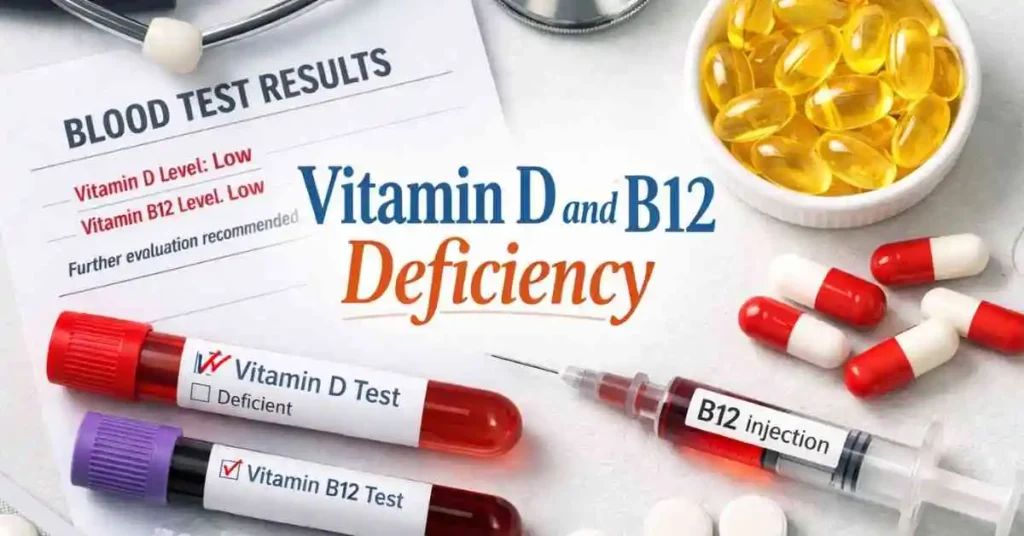
Vitamin D and B12 deficiency is one of the most overlooked health concerns today, yet it silently affects energy levels, brain function, immunity, hormones, and long-term wellness. Many people live for years with unexplained fatigue, hair fall, mood swings, body pain, or poor concentration without realizing that low levels of these essential nutrients could be the underlying cause.
In clinical nutrition practice, Vitamin D and B12 deficiency is frequently identified in working professionals, women with hormonal imbalance, vegetarians, elderly individuals, and even young adults who appear otherwise healthy. The challenge is that symptoms often develop gradually and are mistaken for stress or lifestyle burnout.
Experiencing Fatigue, Weakness, or Low Energy?
Vitamin D and B12 deficiencies can cause tiredness, mood changes, poor immunity, and nerve-related symptoms. Identifying the root cause and correcting it through proper nutrition and lifestyle changes is essential. Our personalised nutrition guidance helps you recover safely and restore optimal health.
Get Personalised Deficiency Recovery PlanWhy Vitamin D and B12 Are Essential for Overall Health
To understand Vitamin D and B12 deficiency, it is important to know how these nutrients function inside the body.
How Vitamin D Supports Your Body
Vitamin D acts like a hormone. It regulates calcium absorption, maintains bone strength, supports immune defense, reduces inflammation, and influences mood regulation. It also plays a role in muscle strength and metabolic health.
The body produces Vitamin D when sunlight hits the skin. However, production depends on time of exposure, skin area exposed, pollution levels, and individual metabolism. After production, it is activated in the liver and kidneys to become usable.
When Vitamin D levels drop, multiple systems begin to weaken simultaneously.
How Vitamin B12 Supports Brain and Nerve Health
Vitamin B12 is essential for red blood cell formation, DNA synthesis, and nerve function. It helps form myelin, a protective layer around nerves that ensures smooth transmission of signals between the brain and body.
Unlike Vitamin D, Vitamin B12 must come from food sources, mainly animal products. Absorption depends on healthy stomach acid and intrinsic factor, a protein produced in the stomach lining.
If Vitamin B12 deficiency develops, neurological symptoms may appear, and if untreated for long periods, damage can become permanent.
Early Signs of Vitamin D and B12 Deficiency
The symptoms of Vitamin D and B12 deficiency often overlap, which makes proper testing important.
Chronic Fatigue That Does Not Improve With Rest
Persistent tiredness is one of the most common signs. Many individuals feel exhausted even after sleeping well. Vitamin D affects energy production at the cellular level, while Vitamin B12 deficiency affects oxygen delivery through red blood cells. When both are low, fatigue becomes constant.
Muscle Weakness and Body Pain
Vitamin D deficiency commonly causes deep bone pain, lower back discomfort, and muscle weakness. Patients often describe difficulty climbing stairs or standing for long periods.
Brain Fog and Poor Concentration
Vitamin B12 deficiency impacts nerve communication. People may struggle with focus, memory, or mental clarity. This symptom is especially common in working professionals.
Tingling Sensation in Hands and Feet
Pins and needles sensation is a warning sign of nerve involvement due to Vitamin B12 deficiency. This symptom should never be ignored.
Mood Changes and Irritability
Low Vitamin D levels have been linked to depressive symptoms. Vitamin B12 deficiency may also contribute to mood disturbances, anxiety, or emotional instability.
Frequent Infections
Vitamin D supports immune regulation. Recurrent colds, throat infections, or slow recovery from illness may indicate low levels.
Why Vitamin D and B12 Deficiency Is So Common in India
Despite abundant sunlight, Vitamin D deficiency is widespread due to indoor lifestyle, pollution blocking UV rays, and limited midday exposure.
Vegetarian dietary patterns increase risk of Vitamin B12 deficiency because plant foods do not naturally contain sufficient B12. Even individuals who consume dairy may not meet optimal requirements.
Digestive disorders such as gastritis, IBS, and prolonged use of antacids reduce absorption of Vitamin B12. Obesity can also lower circulating Vitamin D levels due to storage in fat tissue.
Modern lifestyle habits have significantly increased risk factors for both deficiencies.
Who Is at Higher Risk of Vitamin D and B12 Deficiency
Women with PCOS or thyroid disorders often show low Vitamin D levels. Elderly individuals produce less Vitamin D from sunlight. Vegetarians and vegans are at higher risk of Vitamin B12 deficiency. Individuals with diabetes or autoimmune disorders may also experience low levels more frequently.
Pregnant women require adequate levels for fetal development. Low B12 during pregnancy may affect neurological development of the baby.
Recognizing personal risk helps prioritize screening.
Experiencing Fatigue, Weakness, or Low Energy?
Vitamin D and B12 deficiencies can cause tiredness, mood changes, poor immunity, and nerve-related symptoms. Identifying the root cause and correcting it through proper nutrition and lifestyle changes is essential. Our personalised nutrition guidance helps you recover safely and restore optimal health.
Get Personalised Deficiency Recovery PlanHow Vitamin D and B12 Deficiency Is Diagnosed
The only accurate way to confirm Vitamin D and B12 deficiency is through blood testing.
For Vitamin D, the serum 25-hydroxyvitamin D test is recommended. Levels below 20 ng per mL indicate deficiency. Levels between 20 and 30 ng per mL are considered insufficient. Optimal levels generally range between 30 and 50 ng per mL.
For Vitamin B12, levels below 200 pg per mL indicate deficiency. However, symptoms may appear even below 350 pg per mL in some individuals.
Testing before supplementation ensures correct dosing and avoids imbalance.
Long-Term Health Risks of Untreated Vitamin D and B12 Deficiency
If left untreated, Vitamin D deficiency increases risk of osteoporosis, fractures, chronic inflammation, and immune dysfunction.
Untreated Vitamin B12 deficiency can lead to severe anemia, nerve damage, cognitive decline, and irreversible neurological impairment.
Addressing deficiencies early prevents long-term complications.
Treatment Options for Vitamin D and B12 Deficiency
Treatment depends on severity and individual health condition.
Vitamin D deficiency often requires therapeutic supplementation for several weeks or months under medical supervision. Sensible sun exposure between 11 am and 2 pm for 15 to 20 minutes may help maintain levels.
Vitamin B12 deficiency may be treated with oral supplements or intramuscular injections depending on severity. Severe cases often require initial injections for rapid correction.
Dietary sources of Vitamin B12 include dairy, paneer, curd, eggs, fish, and chicken. For vegetarians, fortified foods and supplements are essential.
Regular follow-up testing ensures levels return to optimal range.
Can You Take Vitamin D and B12 Together
Vitamin D and B12 can be safely taken together as they serve different biological functions. There is no negative interaction between them when taken in recommended doses.
However, personalized dosage based on lab results is essential. Self-diagnosis and high-dose supplementation without guidance may cause imbalance.
Prevention Strategies for Maintaining Optimal Levels
Routine annual testing is advisable for high-risk individuals. Balanced nutrition, mindful sunlight exposure, healthy gut function, and stress management support long-term prevention.
Women planning pregnancy should ensure optimal Vitamin D and B12 levels beforehand. Elderly individuals may require maintenance supplementation.
Consistency in monitoring prevents recurrence of deficiency.
When to Consult a Professional
If you experience persistent fatigue, numbness, mood changes, unexplained body pain, or anemia symptoms, consult a qualified healthcare professional for evaluation.
Early detection and intervention improve recovery outcomes significantly.
A Quick Recap
Vitamin D and B12 deficiency is more common than many realize, and its symptoms often go unnoticed until they begin affecting daily life. Fatigue, mood instability, poor immunity, and nerve symptoms are not issues to ignore.
With timely testing, structured supplementation, dietary correction, and lifestyle adjustments, both deficiencies can be corrected effectively. Awareness is the first step toward prevention.
If you suspect Vitamin D and B12 deficiency, consider professional evaluation and take proactive steps toward restoring optimal health.
Experiencing Fatigue, Weakness, or Low Energy?
Vitamin D and B12 deficiencies can cause tiredness, mood changes, poor immunity, and nerve-related symptoms. Identifying the root cause and correcting it through proper nutrition and lifestyle changes is essential. Our personalised nutrition guidance helps you recover safely and restore optimal health.
Get Personalised Deficiency Recovery PlanFrequently Asked Questions
Common symptoms of Vitamin D and B12 deficiency include persistent fatigue, muscle weakness, bone pain, brain fog, tingling sensation in hands and feet, mood changes, hair fall, and frequent infections. While Vitamin D deficiency is often linked to body pain and low immunity, Vitamin B12 deficiency more commonly affects nerve health and cognitive function.
Yes, severe fatigue is one of the most common signs of Vitamin D and B12 deficiency. Vitamin D affects cellular energy production, while Vitamin B12 is necessary for red blood cell formation and oxygen transport. When levels are low, energy drops significantly and daily tasks may feel exhausting.
Vitamin D deficiency is diagnosed through a blood test called serum 25-hydroxyvitamin D. Levels below 20 ng per mL indicate deficiency. Vitamin B12 deficiency is diagnosed through a serum B12 blood test. Levels below 200 pg per mL typically indicate deficiency, though symptoms may appear at slightly higher levels in some individuals.
Yes, Vitamin D and B12 can be taken together safely. They perform different roles in the body and do not interfere with each other’s absorption. However, dosage should be based on blood test results and professional guidance.
Recovery time depends on the severity of deficiency. Mild cases may improve within 6 to 8 weeks with proper supplementation. Moderate to severe Vitamin B12 deficiency may require injections and could take several months for full neurological recovery. Regular follow-up testing is important.