PCOS Weight Loss: Why Exercise Alone Is Not Enough
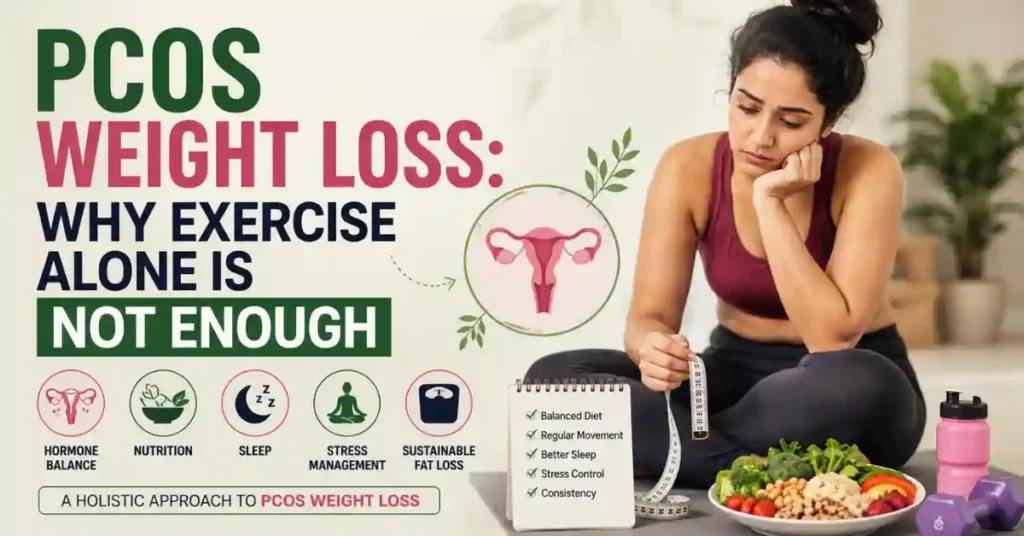
For many women, the journey of PCOS weight loss feels frustrating, confusing, and emotionally exhausting. You may be exercising regularly, trying different workout plans, eating less than before, and still not seeing the results you expected. The scale barely moves, your energy levels fluctuate, and sometimes it feels like your body is working against you no matter how hard you try.
This experience is extremely common among women living with Polycystic Ovary Syndrome, commonly known as PCOS. One of the biggest misconceptions surrounding PCOS weight loss is the idea that exercise alone can solve the problem. While physical activity is important for overall health and metabolic function, it is usually not enough to address the deeper hormonal imbalances associated with PCOS.
PCOS affects much more than body weight. It influences insulin sensitivity, hormone production, stress response, inflammation, sleep quality, appetite regulation, and even emotional health. This is why women with PCOS often struggle with stubborn weight gain even when they are consistently active.
The good news is that sustainable PCOS weight loss is absolutely possible. However, the solution is not about punishing workouts or extreme dieting. It is about understanding how your body works and supporting it through balanced nutrition, hormone-friendly habits, stress management, quality sleep, and the right kind of movement.
Struggling with PCOS Weight Loss Despite Regular Exercise?
Exercise alone may not be enough for PCOS weight loss because hormones, insulin resistance, stress, and food choices also play a major role. A personalised nutrition plan can help balance hormones, improve metabolism, and support sustainable fat loss naturally.
Get Your Personalised PCOS Diet PlanWhy PCOS Weight Loss Feels More Difficult
Many women compare themselves to friends or family members who lose weight quickly through simple diet changes or exercise routines. This comparison often creates frustration because PCOS changes how the body processes food, stores fat, and responds to hormones.
Women with PCOS frequently experience symptoms such as irregular periods, acne, facial hair growth, hair thinning, fatigue, mood swings, and weight gain. Among all these symptoms, difficulty losing weight often becomes one of the most emotionally challenging issues.
One of the primary reasons behind this struggle is insulin resistance. Insulin is a hormone responsible for helping glucose move from the bloodstream into cells for energy. In many women with PCOS, the body becomes less responsive to insulin, forcing the pancreas to produce even more insulin to keep blood sugar levels stable.
When insulin levels remain elevated for long periods, the body becomes more likely to store fat instead of burning it. High insulin levels can also increase hunger, cravings, fatigue, and abdominal fat storage. This means that even if you are exercising regularly, your hormones may still be encouraging your body to hold onto weight.
This is why PCOS weight loss cannot be approached in the same way as traditional weight loss.
Why Exercise Alone Is Not Enough for PCOS Weight Loss
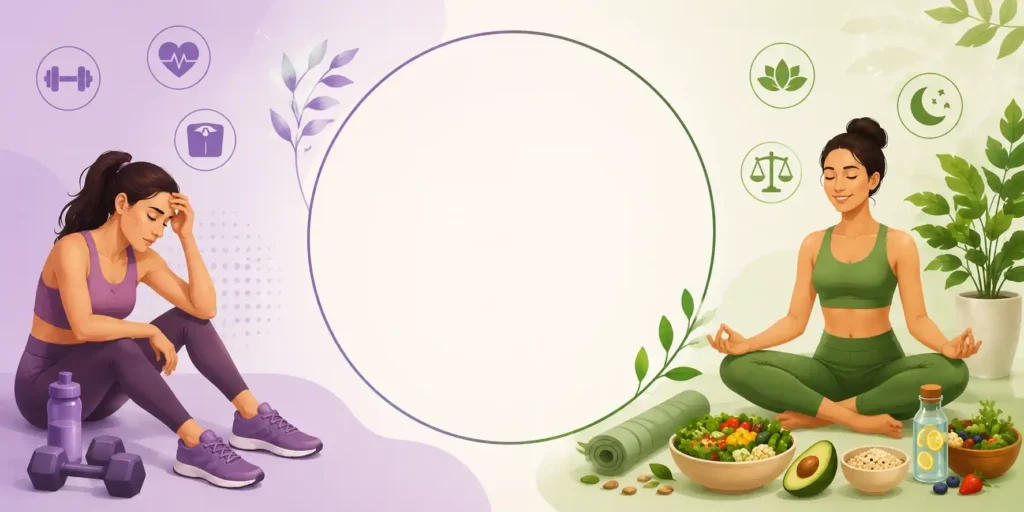
Exercise is valuable and should absolutely remain part of a healthy lifestyle. It improves cardiovascular health, supports mood, helps build muscle, and improves insulin sensitivity. However, relying only on exercise often leads to disappointment because workouts alone do not fully address the hormonal and metabolic challenges linked to PCOS.
Many women believe they simply need to exercise harder to lose weight. As a result, they spend hours doing intense cardio workouts, high-intensity interval training sessions, or extreme fitness challenges. Unfortunately, excessive exercise can sometimes increase stress hormones such as cortisol.
Cortisol is the body’s primary stress hormone. While short-term increases in cortisol are normal, chronically elevated cortisol levels may worsen insulin resistance, increase cravings, disrupt sleep, and encourage belly fat storage. This creates a cycle where the body remains under stress, making sustainable weight loss even more difficult.
Another issue is that intense exercise can increase appetite significantly. After exhausting workouts, many people naturally feel hungrier and may unknowingly consume more calories later in the day. Without balanced nutrition and proper meal planning, exercise alone may not create the healthy metabolic environment needed for PCOS weight loss.
This does not mean exercise is harmful. It simply means that movement should support your hormones rather than place additional stress on your body.
The Real Key to PCOS Weight Loss: Nutrition and Hormone Balance
One of the most important truths about PCOS weight loss is that nutrition has a much greater effect on hormones and insulin levels than exercise alone.
Food directly impacts:
- Blood sugar regulation
- Insulin production
- Inflammation
- Appetite control
- Hormone balance
- Energy levels
This is why many women notice significant improvements in PCOS symptoms when they focus on balanced nutrition instead of only increasing physical activity.
Rather than following restrictive crash diets, women with PCOS benefit more from creating balanced meals that stabilize blood sugar and reduce inflammation.
Protein plays a particularly important role in PCOS weight loss because it helps reduce cravings, increase fullness, and support stable energy levels throughout the day. Including quality protein sources such as eggs, lentils, Greek yogurt, fish, chicken, tofu, paneer, and chickpeas in meals can help support hormone balance and appetite regulation.
Fiber is equally important because it slows digestion and helps prevent rapid blood sugar spikes. Vegetables, fruits, oats, chia seeds, legumes, and whole grains can support better digestion and improve satiety.
Carbohydrates are often misunderstood in the PCOS community. Many women believe they must completely eliminate carbs to lose weight. In reality, the focus should be on choosing complex carbohydrates that digest slowly and support stable blood sugar levels. Foods like brown rice, quinoa, sweet potatoes, oats, and millets can be included as part of a balanced PCOS-friendly diet.
Healthy fats are also essential because hormones require dietary fat for proper production and balance. Nuts, seeds, olive oil, avocados, and fatty fish can support hormone health while helping reduce cravings and improve satisfaction after meals.
Struggling with PCOS Weight Loss Despite Regular Exercise?
Exercise alone may not be enough for PCOS weight loss because hormones, insulin resistance, stress, and food choices also play a major role. A personalised nutrition plan can help balance hormones, improve metabolism, and support sustainable fat loss naturally.
Get Your Personalised PCOS Diet PlanThe Importance of Sleep in PCOS Weight Loss
Sleep is one of the most overlooked aspects of hormonal health. Many women focus heavily on diet and exercise while ignoring the role sleep plays in metabolism and weight management.
Poor sleep can disrupt hunger hormones, increase cravings for sugary foods, worsen insulin resistance, and reduce energy levels. Women who consistently sleep poorly are often more likely to struggle with emotional eating and fatigue, making healthy habits harder to maintain.
Improving sleep quality can have a surprisingly positive effect on PCOS symptoms. Creating a consistent sleep routine, reducing screen time before bed, and aiming for seven to nine hours of quality sleep each night can help support hormone balance and recovery.
Stress and Emotional Health Matter More Than You Think

Living with PCOS can be emotionally overwhelming. Many women experience frustration, anxiety, low confidence, and body image struggles after repeated failed attempts at losing weight.
Chronic stress increases cortisol levels, which can worsen cravings, increase inflammation, and encourage fat storage around the abdomen. Emotional stress may also trigger emotional eating patterns, making it harder to maintain balanced nutrition habits.
This is why stress management should be considered part of a PCOS weight loss strategy rather than something separate from it.
Simple activities such as yoga, walking, meditation, journaling, deep breathing, or spending time outdoors can help regulate stress hormones and support emotional well-being.
Mental health and physical health are deeply connected, especially when dealing with hormonal conditions like PCOS.
What Type of Exercise Works Best for PCOS?
Exercise still plays an important role in PCOS weight loss, but the focus should shift from extreme intensity to consistency and hormone support.
Strength training is often especially beneficial because it helps build lean muscle mass and improves insulin sensitivity. More muscle allows the body to use glucose more effectively, supporting better metabolic health over time.
Walking is another underrated form of exercise for women with PCOS. Daily walking can help regulate blood sugar levels, reduce stress hormones, improve digestion, and increase overall movement without placing excessive stress on the body.
Yoga and Pilates may also support flexibility, stress reduction, and hormonal balance while improving overall fitness.
Instead of aiming for perfection or punishing workout routines, the goal should be creating a movement routine that feels sustainable long term.
Struggling with PCOS Weight Loss Despite Regular Exercise?
Exercise alone may not be enough for PCOS weight loss because hormones, insulin resistance, stress, and food choices also play a major role. A personalised nutrition plan can help balance hormones, improve metabolism, and support sustainable fat loss naturally.
Get Your Personalised PCOS Diet PlanWhy Quick Fixes Usually Fail
The internet is filled with promises of rapid weight loss through detox teas, extreme diets, fat-burning supplements, and unrealistic transformation programs. While these methods may produce temporary changes, they rarely support long-term hormonal health.
Extreme dieting can slow metabolism, increase cravings, reduce energy levels, and worsen stress hormones. Many women end up trapped in cycles of restriction, overeating, guilt, and restarting diets repeatedly.
Healthy PCOS weight loss is usually gradual. Real progress often looks like improved energy, fewer cravings, better sleep, reduced bloating, improved digestion, and more stable moods before noticeable changes appear on the scale.
Focusing only on rapid weight loss often causes women to ignore these important signs of healing and hormonal improvement.
Personalized Support Can Make a Big Difference

Every woman experiences PCOS differently. Some struggle more with insulin resistance, while others deal with emotional eating, digestive problems, inflammation, or severe hormonal imbalances.
Because of this, personalized nutrition guidance can make a major difference in long-term success. A customized approach based on lifestyle, medical history, food preferences, symptoms, and daily routine is often far more effective than generic online diet plans.
The goal should not be temporary weight loss. The goal should be building sustainable habits that support both physical and emotional well-being.
A Quick Recap
PCOS weight loss is about much more than exercising harder or eating less. Your hormones, insulin levels, stress response, sleep quality, and nutrition habits all work together to influence how your body stores and burns fat.
If you have been exercising consistently but still struggling with weight loss, it does not mean you are lazy or failing. It means your body may need a more supportive and hormone-friendly approach.
Exercise is important, but it works best when combined with balanced nutrition, quality sleep, stress management, and sustainable lifestyle habits.
Instead of fighting your body, focus on understanding it and supporting it.
With patience, consistency, and the right strategy, sustainable PCOS weight loss is absolutely possible.
Struggling with PCOS Weight Loss Despite Regular Exercise?
Exercise alone may not be enough for PCOS weight loss because hormones, insulin resistance, stress, and food choices also play a major role. A personalised nutrition plan can help balance hormones, improve metabolism, and support sustainable fat loss naturally.
Get Your Personalised PCOS Diet PlanFrequently Asked Questions
PCOS weight loss can be difficult because the condition affects hormones, insulin sensitivity, metabolism, appetite, and fat storage. Many women with PCOS experience insulin resistance, which can increase cravings and make the body store more fat, especially around the abdomen.
Exercise is important for overall health, but exercise alone is usually not enough for PCOS weight loss. Nutrition, sleep, stress management, and hormone balance also play a major role in improving insulin resistance and supporting sustainable fat loss.
Strength training, walking, yoga, Pilates, and moderate cardio are often considered the best exercises for PCOS weight loss. These forms of exercise can improve insulin sensitivity and support metabolism without putting excessive stress on the body.
Women with PCOS are often advised to limit highly processed foods, sugary drinks, refined carbohydrates, and excessive fast food because these may worsen insulin resistance and hormonal imbalance.
Yes, a balanced diet rich in protein, fiber, healthy fats, and complex carbohydrates may help improve insulin sensitivity, regulate blood sugar levels, reduce cravings, and support hormone balance naturally.